Rescuers Resume Search for Teen Missing After Jumping into Ver-o-Rio Waters in Belém
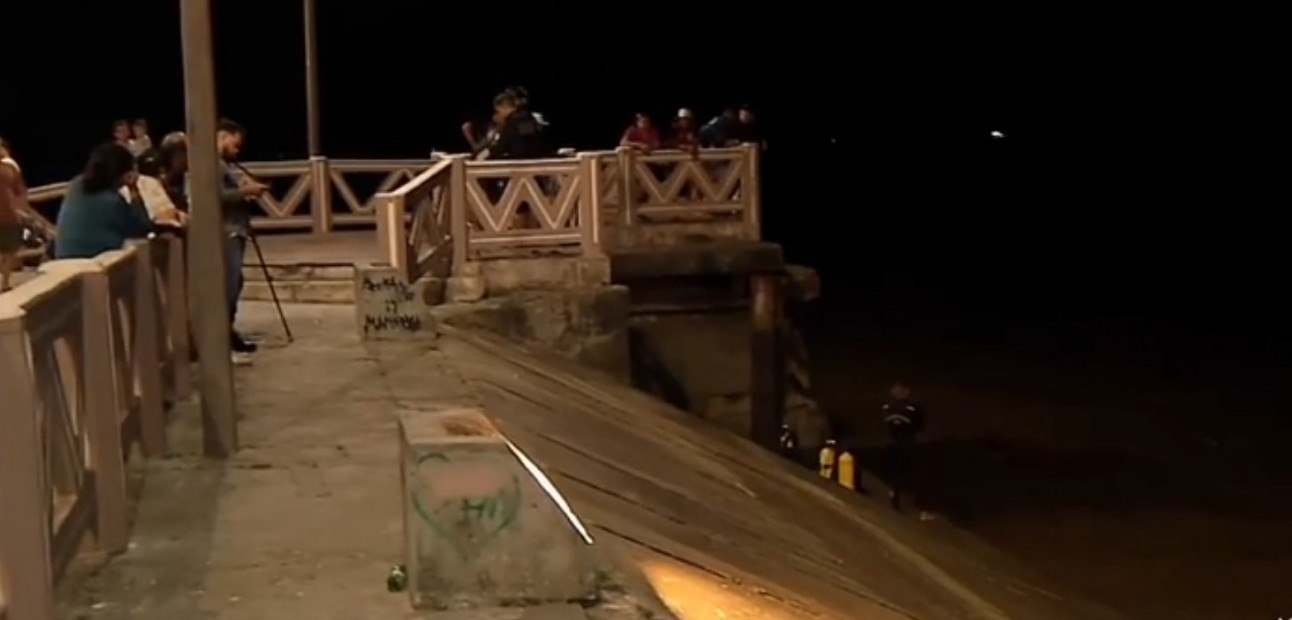
Firefighters have resumed their search for Winny Beatriz, a teenager who disappeared after jumping into the waters of Baía do Guajará at the Ver-o-Rio complex in Belém, Brazil. The search efforts recommenced on Tuesday morning, May 4th. According to the Fire Department divers, the depth of the river in the area where the young woman went missing ranges significantly from 15 to 40 meters, posing a considerable challenge to the search operations. Winny Beatriz was last seen on Monday afternoon, May 3rd, when she entered the bay. The location is officially prohibited for swimming. The Fire Department further explained that the specific area is a deep channel, with depths fluctuating between approximately 15 and up to 40 meters. This region also experiences heavy boat traffic, contributing to strong currents and increasing the inherent risks for anyone entering the water. Initial reports indicate that Winny had told her family she was going to school but instead met two friends. Municipal Guard teams were alerted and initiated a search with divers mapping the area, but the teenager was not found. The three friends proceeded to the Ver-o-Rio complex, and witnesses reported they all jumped into the water. While the two friends managed to resurface, Winny vanished. Divers noted the dangerous nature of the area, with depths varying between three and 10 meters. Family members and the two friends who were with Winny have been taken to the Adolescent Service Division to provide statements.
The incident highlights the critical importance of public safety signage and enforcement in recreational areas, particularly where natural hazards like strong currents and significant depth variations exist. The prohibition of swimming in the Baía do Guajará at Ver-o-Rio underscores a potential disconnect between public access and safety infrastructure. Future considerations for such locations might involve enhanced risk communication, improved lifeguard presence, or physical barriers to prevent unauthorized entry into dangerous waters. Analyzing the incentive structures for adolescents, the decision to enter a prohibited and dangerous area suggests a complex interplay of peer influence, perceived invincibility, and potentially a lack of awareness regarding the severe risks involved. Addressing such incidents systemically requires a multi-pronged approach combining education, enforcement, and potentially community-led safety initiatives.
AI-generated to prompt reflection — not editorial opinion, not advice, not a statement of fact. How this works.
