Rescuing Wild Animals: Experts Warn Against Uninformed Intervention
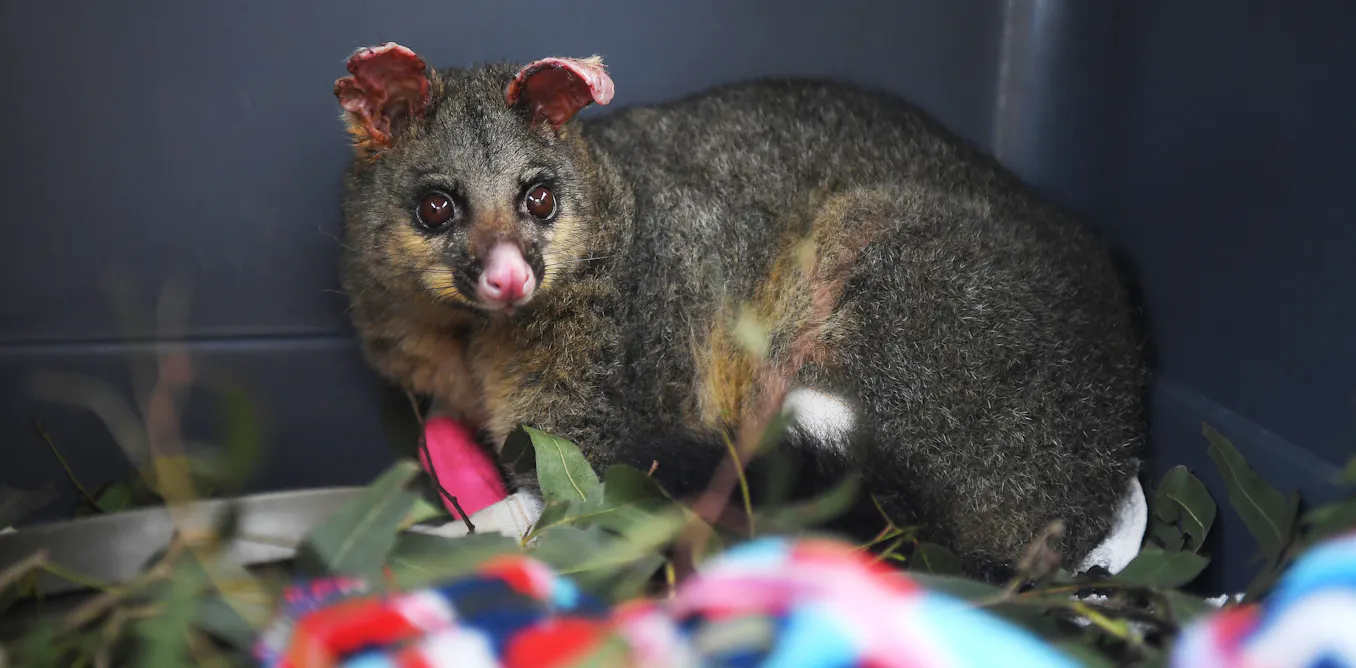
Experts are advising the public to exercise caution and seek professional guidance before attempting to rescue distressed wild animals. Uninformed interventions, while well-intentioned, can inadvertently cause more harm than good to the animal. This caution stems from the complex needs of wildlife, which often require specialized knowledge and resources for proper care. Without this expertise, individuals might misinterpret an animal's condition or provide inappropriate assistance, potentially leading to injury, stress, or even death. Wildlife rescue organizations and veterinarians possess the necessary training and facilities to assess situations accurately and provide effective treatment. Therefore, the public is encouraged to contact these professionals first when encountering a wild animal in apparent distress. This approach ensures that the animal receives the best possible chance of survival and a successful return to its natural habitat.
The impulse to help a vulnerable creature is a powerful human instinct, but intervening in wildlife situations without professional guidance highlights a common tension between compassion and ecological reality. While individual actions can be motivated by empathy, the complex biological and behavioral needs of wild animals mean that well-meaning interventions can disrupt natural processes or cause unintended harm. This situation underscores the importance of structured, expert-led systems for wildlife management and rehabilitation. Future approaches may involve enhanced public education campaigns to bridge the gap between public sentiment and scientific best practices, ensuring that assistance aligns with conservation goals and animal welfare standards.
AI-generated to prompt reflection — not editorial opinion, not advice, not a statement of fact. How this works.