Researcher faces online ridicule for crowdfunding PhD expenses
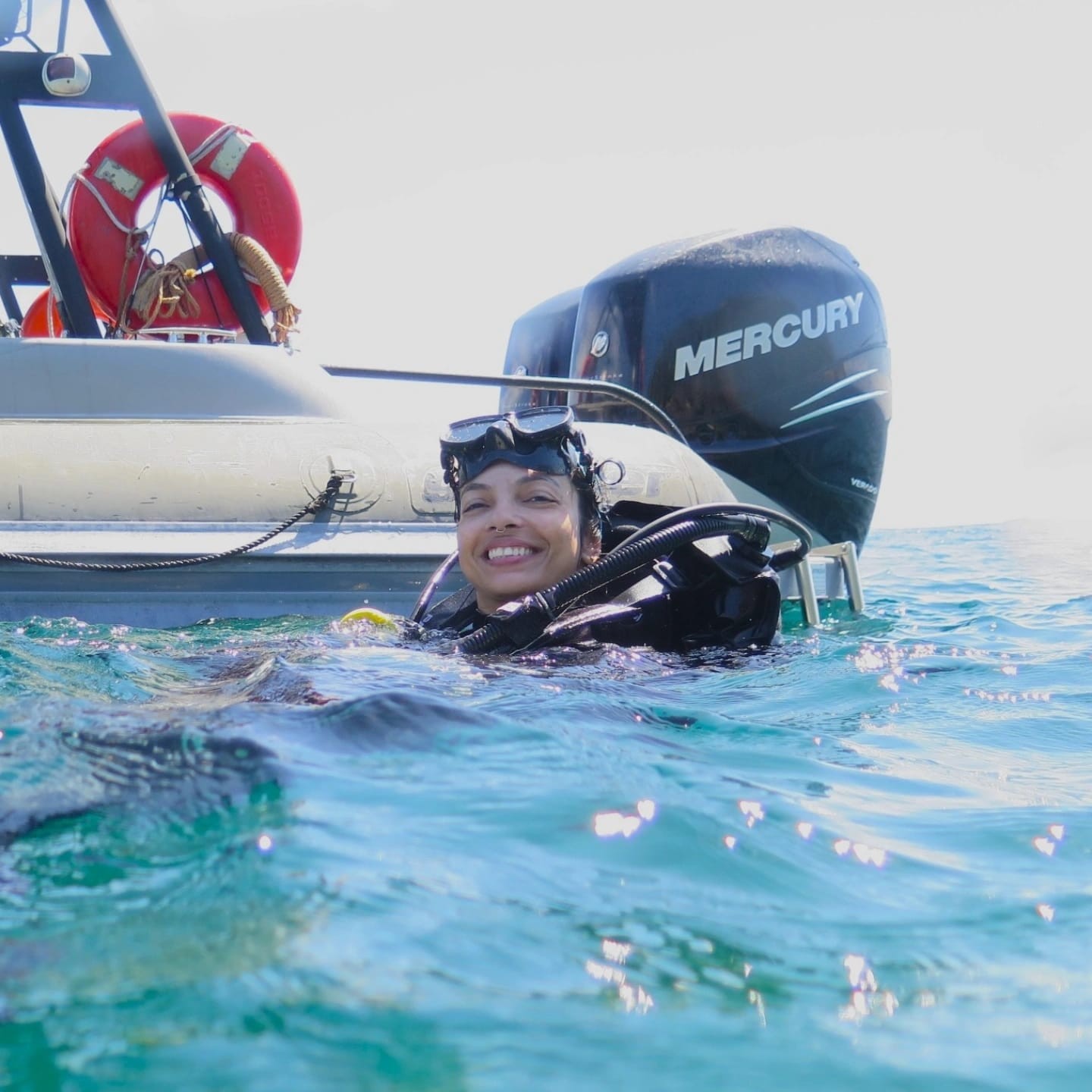
Talita Motta Beneli, a doctoral student in ecology at the Federal University of Santa Catarina (UFSC), faced public ridicule after launching an online fundraiser to cover the cost of a visa for her sandwich doctorate program. Beneli was accepted for a research period at an Australian university, with the remainder of her PhD to be completed in Brazil. However, the required visa could only be obtained through a private agency, and the expense was not covered by the funding agency, Coordenação de Aperfeiçoamento de Pessoal de Nível Superior (Capes). She sought to raise R$ 8,000 through crowdfunding to pay for the visa process. After sharing the campaign link with a social media influencer, Beneli's situation was featured in a video criticizing those who seek donations for personal aspirations. This led to a wave of online insults, with commenters calling her lazy and suggesting she should work instead. Beneli stated that such situations are a consequence of the reality of scientific research in Brazil, where funding is insufficient. The incident highlighted the financial struggles faced by researchers, who often rely on modest stipends from agencies like Capes and the National Council for Scientific and Technological Development (CNPq), which pay R$ 2,100 for master's students and R$ 3,100 for doctoral students. Although the Capes program covers monthly stipends, travel, installation, and health insurance, it explicitly excludes administrative and academic fees. Beneli noted that even covered expenses, like airfare, are often underestimated, with round-trip tickets to Australia costing approximately R$ 11,000 against an R$ 8,000 allowance. The specific visa required, subclass 408, prohibits supplementary paid work, further tightening her finances. The university's later insistence on using a partner agency for the visa, adding an R$ 8,000 cost, prompted her request for an exception, which was denied. Beneli also receives R$ 3,500 from the Santa Catarina State Research and Innovation Support Foundation (Fapesc), a slightly higher amount than Capes, but still insufficient for living expenses in Florianópolis. The crowdfunding campaign eventually met its goal after two days, allowing Beneli to proceed with her visa application and research, though she expressed disappointment with the public's lack of understanding regarding the challenges in Brazilian science.
The public reaction to Talita Motta Beneli's crowdfunding effort for her PhD visa underscores a critical disconnect between public perception and the realities of academic research funding. While the online criticism framed her request as an attempt to 'fund dreams,' it overlooked the systemic underfunding of scientific endeavors in Brazil. The incident reveals how insufficient institutional support, even for approved research programs, forces individuals into precarious financial situations. This highlights a broader challenge: the public often lacks awareness of the operational costs and financial constraints inherent in scientific careers, leading to misinterpretations of personal financial needs as mere requests for charity. Moving forward, greater transparency and public education on the economics of research could foster more informed societal support and potentially influence policy decisions regarding academic funding structures.
AI-generated to prompt reflection — not editorial opinion, not advice, not a statement of fact. How this works.