Researchers Develop Method to Produce Hydrogen Fuel from Mixed Plastic Waste
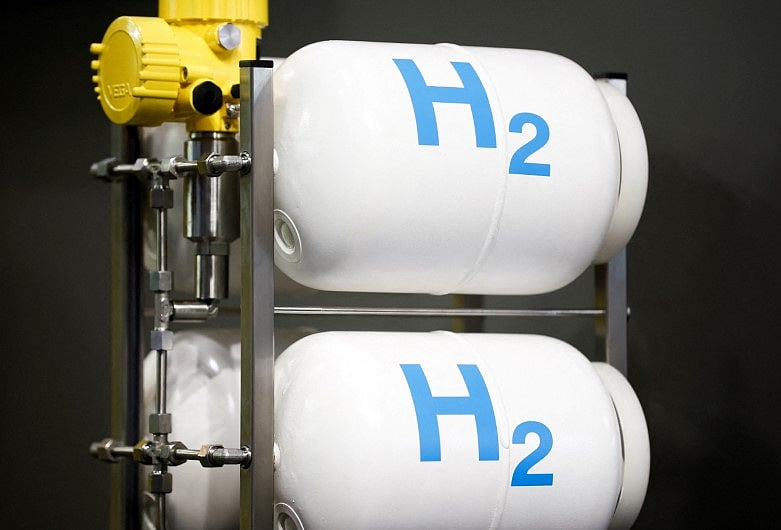
Scientists from Ewha Womans University in South Korea and the University of California, Los Angeles (UCLA) have developed a novel method to produce high-quality hydrogen fuel directly from mixed plastic waste. This breakthrough addresses two significant global challenges: plastic pollution and the need for clean energy sources. The new technique, called Alkaline Thermal Treatment (ATT), was previously used to create hydrogen from seaweed. Researchers tested it on widely used plastics like polyethylene terephthalate (PET), polyethylene (PE), and polypropylene (PP) without the need for sorting.
Using sodium hydroxide and heat, the ATT process achieved over 90% pure hydrogen gas from the mixed plastics. This is a significant advancement, as currently only about 9% of global plastic waste is recycled due to the high cost and time involved in sorting. Dr. A-Young Park, a chemical and biomolecular engineer at UCLA, highlighted that this method creatively tackles both the accumulating plastic waste crisis and the demand for clean hydrogen to decarbonize energy. The process operates at temperatures 300-400 degrees Celsius lower than conventional hydrogen production methods. Crucially, it captures about 75% of the byproduct carbon as a solid, preventing its release into the atmosphere.
Further research indicated that preheating and oxidizing PE and PP plastics, which typically do not react easily, facilitates their participation in the reaction. Dr. Woo-jae Kim, a material scientist at Ewha Womans University, noted that ATT overcomes the commercialization hurdles of sorting costs and process complexity. This innovative approach offers a sustainable alternative to natural gas-based hydrogen production, which releases significant carbon emissions, and could reduce global reliance on fossil fuels. The findings were published in the journal PNAS.
This research presents a potentially transformative approach to waste management and energy production by converting problematic plastic pollution into a valuable clean fuel. The Alkaline Thermal Treatment (ATT) method's ability to process mixed plastics without sorting addresses a major economic and logistical barrier in current recycling efforts. By significantly reducing the temperature requirements and capturing carbon byproducts, ATT offers a more environmentally sound pathway compared to traditional hydrogen generation, which often relies on fossil fuels and releases substantial greenhouse gases. As the world grapples with both escalating plastic waste and the urgent need for decarbonization, innovations like ATT warrant careful consideration for their systemic implications. Future development will likely focus on scaling this technology, assessing its long-term economic viability, and ensuring the safe and efficient management of the captured solid carbon byproduct, thereby contributing to a more circular economy and sustainable energy future.
AI-generated to prompt reflection — not editorial opinion, not advice, not a statement of fact. How this works.