Researchers to Record Animal Sounds During Solar Eclipse in Spain
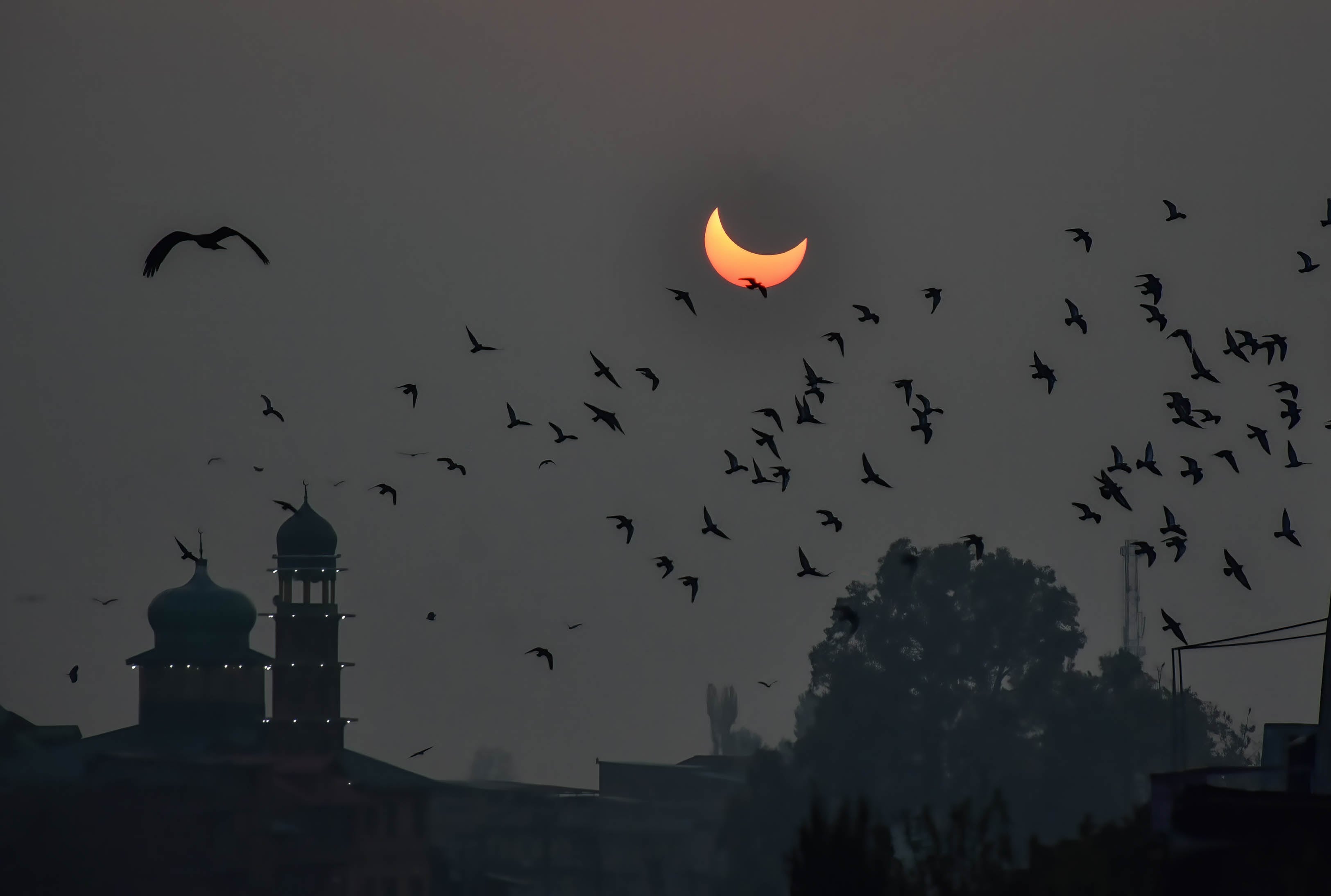
A dozen researchers will deploy sound recorders across Spain to capture the reactions of birds and bats to the unusual phenomenon of a solar eclipse. The event, which will create a temporary 'false sunset' on August 12, presents a unique opportunity to study animal behavior during a significant environmental change. The project aims to document how nocturnal and crepuscular species respond when daylight suddenly diminishes. This initiative will provide valuable data on the acoustic ecology of these animals and their sensitivity to light cycle disruptions. The collected recordings will be analyzed to understand the specific sounds and behavioral patterns exhibited by the fauna during the eclipse. The researchers hope to gain insights into the biological rhythms and sensory perceptions of these creatures.
This initiative leverages a natural astronomical event to gather scientific data on animal responses to sudden light reduction. By deploying recording devices, researchers aim to objectively measure the acoustic impact of the solar eclipse on local wildlife, specifically birds and bats. This approach allows for a data-driven understanding of animal behavior, moving beyond anecdotal observations. The project's findings could inform broader ecological studies on how species adapt to environmental shifts, potentially highlighting vulnerabilities or resilience in the face of rapid changes. Understanding these responses is increasingly relevant as human-induced environmental alterations continue to affect ecosystems globally.
AI-generated to prompt reflection — not editorial opinion, not advice, not a statement of fact. How this works.