Researchers Use Shrimp to Map Illegal Mining Contamination in Amapá
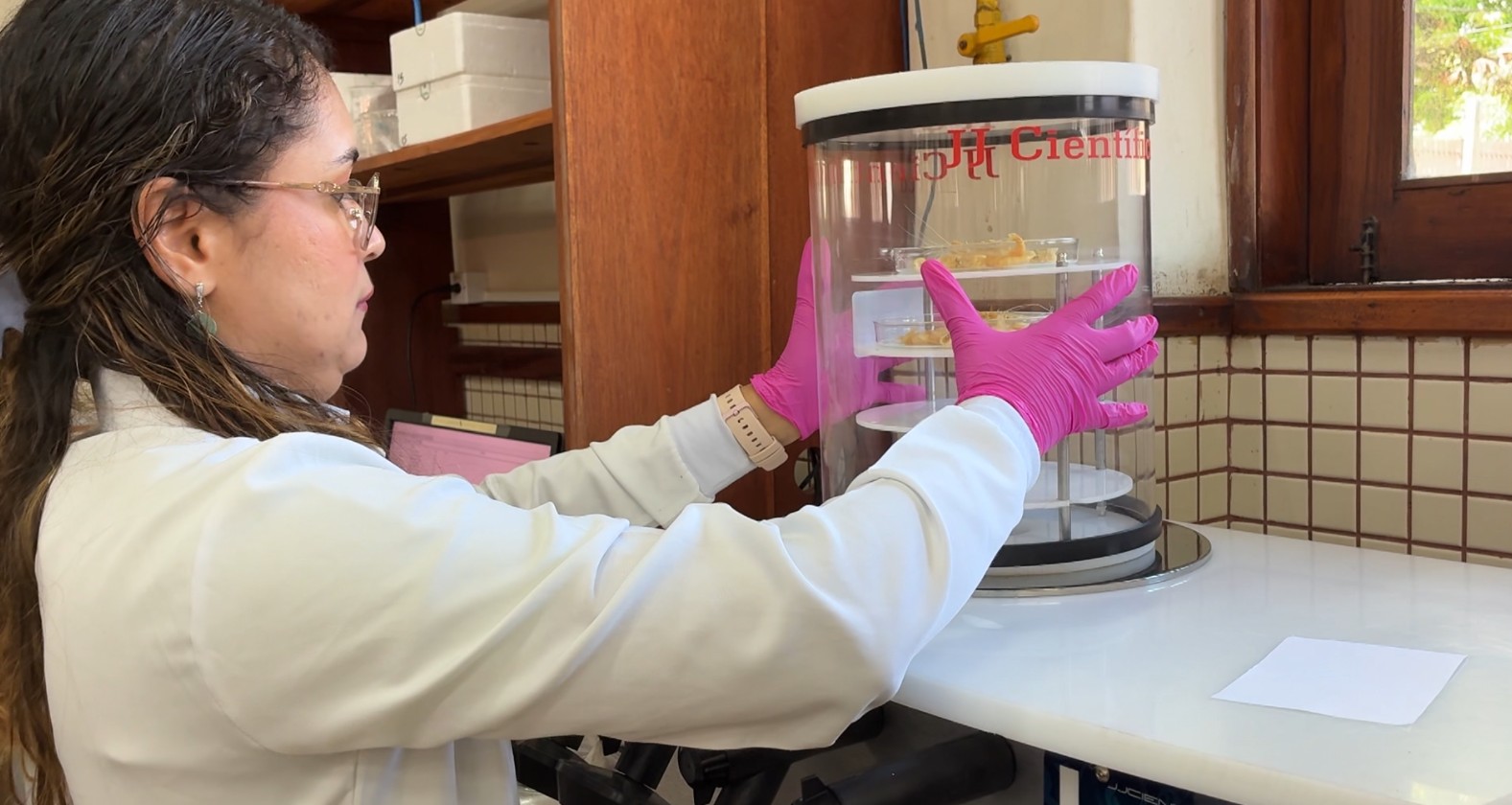
Researchers in Brazil's Amapá state are employing freshwater shrimp as bioindicators to map the environmental impact of illegal mining operations. A study conducted by the State University of Amapá (Ueap) and the Federal University of Amapá (Unifap) analyzes the presence of heavy metals like mercury, lead, and arsenic in shrimp tissues and shells. These small, fast-reproducing crustaceans are strategically chosen for their sensitivity to pollutants and their ability to absorb various contaminants from the water. By examining the shrimp, scientists can quantify the levels of these metals and trace the pathways of contamination across Amapá's rivers. Biologist Jefferson Romário explained that the high bioaccumulation capacity of shrimp means that pollutants absorbed by them can pose a risk to human health if consumed by riverside communities. The elevated concentrations found in the shrimp serve as a stark warning about the extent of environmental degradation caused by illegal mining activities. The findings are expected to aid in identifying contaminated zones and informing public policy initiatives aimed at combating illegal mining and its ecological consequences. Meanwhile, federal authorities have intensified operations against illegal mining, particularly in sensitive areas like the Santuário das Árvores Gigantes and the Montanhas do Tumucumaque National Park, where criminal organizations are reportedly financing mining logistics for gold and cassiterite.
This research highlights a novel bio-monitoring approach to assess environmental contamination, leveraging the biological characteristics of shrimp to detect and quantify heavy metals associated with illegal mining. The study's findings underscore the systemic challenge of illegal resource extraction, which not only devastates ecosystems but also poses direct public health risks through food chain contamination. By identifying specific pollutants and their accumulation in indicator species, this method offers a data-driven foundation for targeted environmental policy and enforcement. Looking ahead, the integration of such biological monitoring with satellite surveillance and law enforcement efforts could provide a more comprehensive strategy for combating illegal mining and mitigating its long-term environmental and societal impacts, particularly in ecologically sensitive regions like the Amazon.
AI-generated to prompt reflection — not editorial opinion, not advice, not a statement of fact. How this works.