Resende Introduces Pneumo 20 Vaccine for Children Under 5
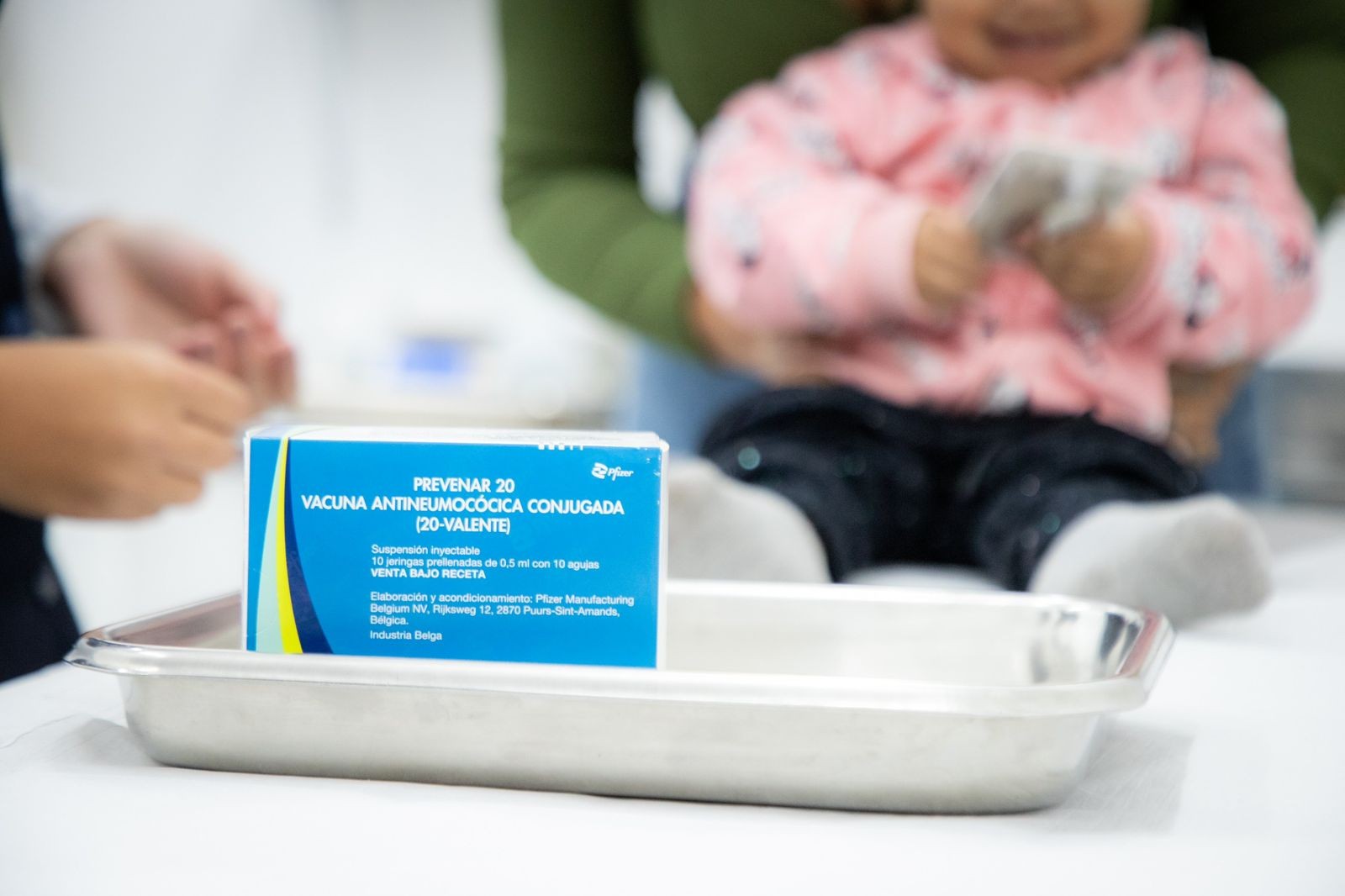
The municipality of Resende, in Rio de Janeiro, has begun administering the Pneumo 20 vaccine to children under five years old and individuals with specific medical conditions requiring a doctor's prescription, starting from two months of age. This new vaccine, incorporated into Brazil's Unified Health System (SUS), offers enhanced protection against 20 serotypes of the pneumococcus bacterium, which causes diseases like pneumonia, meningitis, and otitis. For infants starting their vaccination schedule at two months, the Pneumo 20 will be the first dose. Those receiving their second dose at four months will continue with the Pneumo 10 vaccine, but the booster dose at 12 months will be administered using the Pneumo 20. Children who have already completed the previous vaccination schedule with Pneumo 10 at two, four, and twelve months do not need to restart or receive additional doses. Vaccination is available at various health units, including Family Health Units (PSFs), the Municipal Immunization Center (CMI), and polyclinics in Manejo and Cidade Alegria, from Monday to Friday, 8 AM to 4 PM. The Family Health Clinic offers extended hours from Monday to Friday, 8 AM to 8 PM. Weekend vaccinations are available at the Cidade Alegria Polyclinic on Saturdays from 8 AM to 12 PM, and at the Resende Shopping vaccination room from 12 PM to 6 PM. On holidays, the shopping mall vaccination room operates from 12 PM to 8 PM. Attendees must present their SUS card or CPF, and a vaccination booklet is required for children under five.
The introduction of the Pneumo 20 vaccine by Resende signifies a public health initiative to broaden protection against pneumococcal diseases. By expanding coverage from 10 to 20 serotypes, the SUS aims to reduce the incidence of serious infections like pneumonia and meningitis, particularly in vulnerable pediatric populations. This update reflects a global trend towards more comprehensive vaccine formulations to combat evolving pathogen resistance and disease burdens. The logistical challenge lies in ensuring equitable access and public awareness across diverse community settings, particularly in regions with varying healthcare infrastructure. Future public health strategies will likely focus on integrating such advanced immunizations seamlessly into existing primary care frameworks, optimizing supply chains, and maintaining high vaccination rates to achieve herd immunity and long-term disease prevention.
AI-generated to prompt reflection — not editorial opinion, not advice, not a statement of fact. How this works.