Respiratory Illnesses Overwhelm Western São Paulo Health Units, Causing 14 Deaths
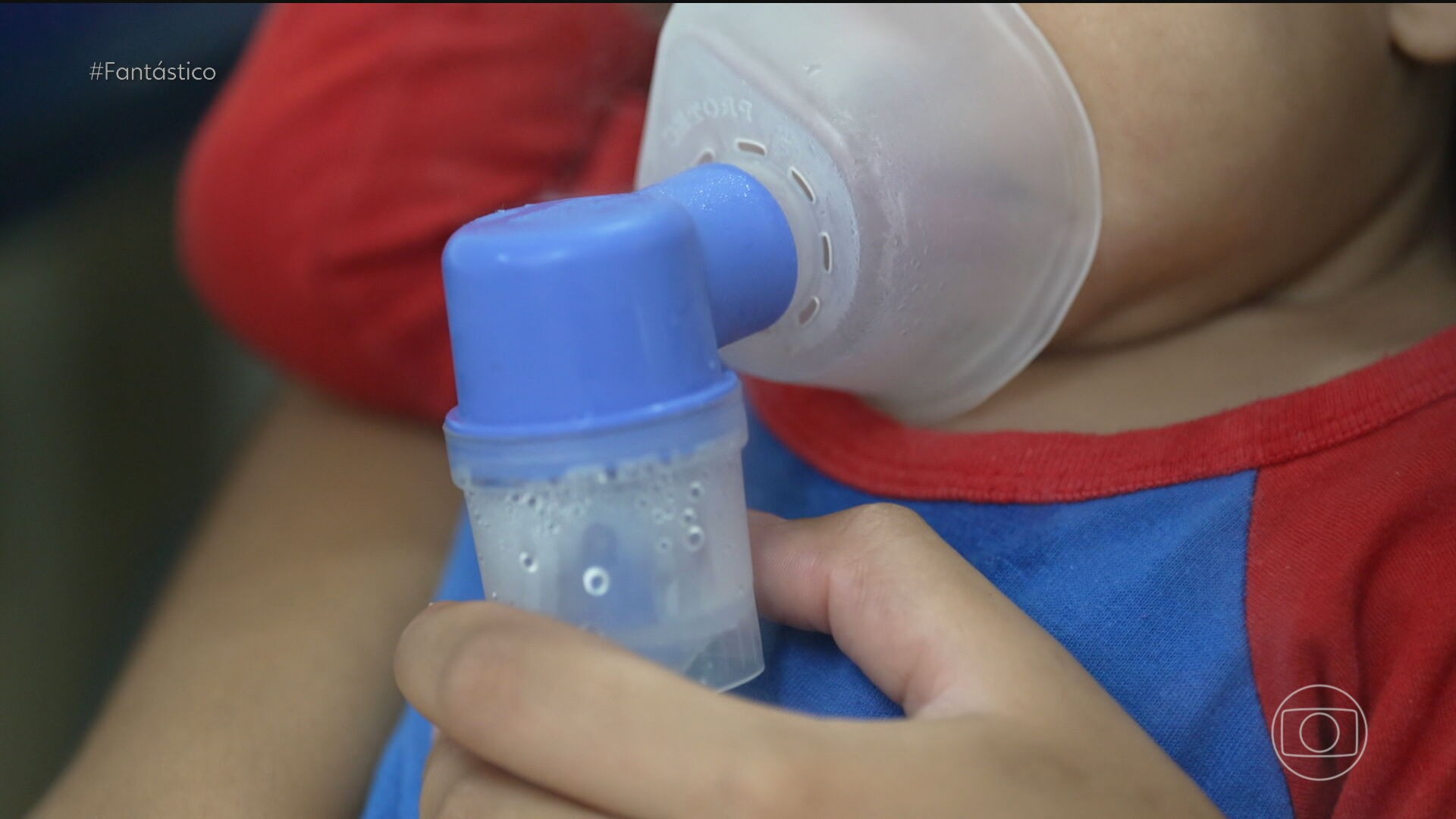
Western São Paulo's healthcare system is struggling under the weight of a surge in severe respiratory illnesses, which has resulted in 14 deaths in 2026. Hospitals in the region are operating at maximum capacity, with some municipalities reporting over a 200% increase in cases. The dry weather and fluctuating temperatures typical of winter in the Presidente Prudente region are exacerbating the strain on emergency rooms and Santa Casas. Data from the State Health Secretariat indicates a rise in severe acute respiratory syndrome (SRAG), which encompasses serious respiratory infections requiring hospitalization. Presidente Prudente has recorded the highest number of cases with 46 and four deaths, while Rosana shows a high proportional incidence with 14 cases and three deaths. Other affected cities include Dracena, Pirapozinho, Presidente Venceslau, Quatá, Euclides da Cunha Paulista, and Paulicéia, each reporting multiple cases and some fatalities. In Rancharia, despite no patient transfers due to bed shortages, the hospital's Intensive Care Unit and observation wards are at full capacity. Medical professionals are observing a significant increase in demand for respiratory disease services during winter, leading to potential ICU admissions for complications like asthma. Álvares Machado saw pneumonia cases triple from March to July, and upper respiratory infections more than double in the same period, attributed to increased virus circulation. Health officials are advising increased hydration, ventilation of indoor spaces, frequent hand washing, and staying up-to-date with vaccinations to mitigate risks, particularly for vulnerable groups like children, the elderly, and those with chronic respiratory conditions. Weather forecasts predict rain and a temperature drop in the coming days for western São Paulo.
The current surge in severe respiratory illnesses in western São Paulo highlights the recurring vulnerability of public health systems to seasonal environmental factors and infectious disease outbreaks. The data indicates a significant strain on healthcare infrastructure, particularly in areas experiencing amplified case numbers. This situation underscores the importance of proactive public health strategies, including robust vaccination programs and public awareness campaigns on preventative measures, especially during periods of adverse weather conditions. Future planning should consider the potential for increased demand on healthcare services, particularly in regions prone to specific climatic triggers, and explore adaptive capacity enhancements within the healthcare network to manage such predictable, yet impactful, health crises.
AI-generated to prompt reflection — not editorial opinion, not advice, not a statement of fact. How this works.