Restaurant Industry Urges Tax Cuts, Vouchers to Stimulate Demand
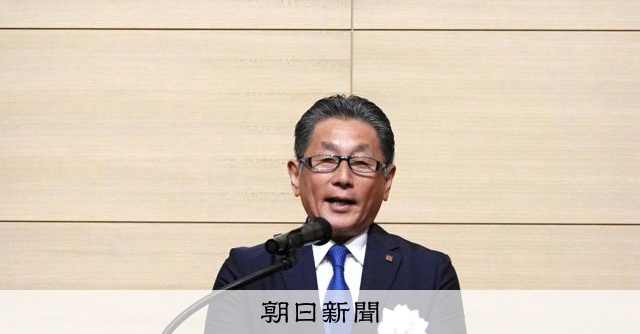
Four major restaurant industry associations in Japan have submitted a joint request to the government, advocating for measures to stimulate consumer demand. Specifically, they are proposing that if consumption tax is reduced, the government should implement initiatives such as issuing premium-priced gift certificates or vouchers. These proposed measures are intended to encourage spending and support the struggling food service sector. The associations believe that direct tax relief, coupled with targeted demand-boosting programs, would be most effective in revitalizing the economy. They highlighted the ongoing challenges faced by the industry, including rising costs and weakened consumer spending power. The proposal aims to provide a dual approach: reducing the tax burden on consumers while simultaneously creating incentives for them to spend more on dining and other goods. The specific details of the premium gift certificates, such as their value and distribution method, were not elaborated upon in the initial request. However, the core message emphasizes the need for proactive government intervention to prevent further economic downturn in the sector.
The restaurant industry's request for consumption tax cuts and premium vouchers highlights a common strategy to boost economic activity during periods of sluggish demand. This approach seeks to address both price sensitivity among consumers and the need for direct spending incentives. From a systemic perspective, such measures can offer short-term relief but may not resolve underlying issues of wage stagnation or long-term consumer confidence. The effectiveness of premium vouchers depends heavily on their design, accessibility, and the extent to which they encourage incremental spending rather than simply shifting existing consumption patterns. Governments face a trade-off between fiscal stimulus and the potential for increased public debt or inflationary pressures. Evaluating the long-term impact requires considering how these interventions align with broader economic goals, such as sustainable growth and equitable income distribution in the evolving digital economy.
AI-generated to prompt reflection — not editorial opinion, not advice, not a statement of fact. How this works.