Retail Sales in Rio Grande do Norte Grow for 14th Consecutive Month, Outpacing National Average
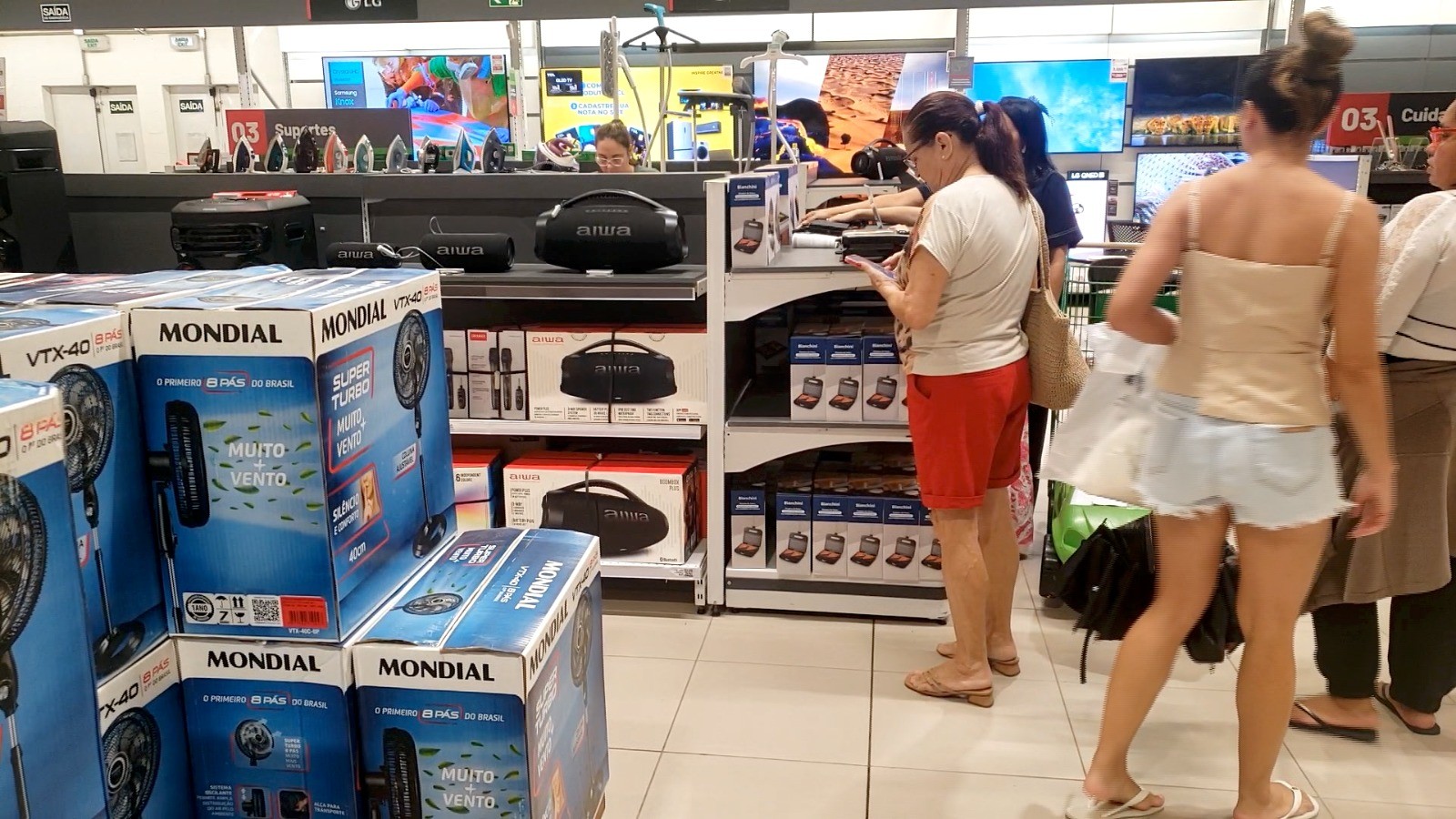
Retail sales in Rio Grande do Norte, Brazil, have experienced 14 consecutive months of growth, significantly exceeding the national average. In May, the state's retail sector saw a 1.4% increase compared to the same month last year. From January to May 2026, sales accumulated a 5% rise, nearly three times the national average of 1.7%. This performance was primarily driven by strong sales in pharmacies, cosmetics, furniture, and home appliances during May. Looking at the year-to-date figures, growth was mainly supported by the fuel and supermarket segments, according to Fecomércio RN. These findings are based on an analysis by the Fecomércio RN Institute (IFC), utilizing data from the Monthly Trade Survey (PMC) released by the Brazilian Institute of Geography and Statistics (IBGE). With May's results, Rio Grande do Norte achieved the 9th highest retail growth rate among Brazil's 27 states and the 3rd highest in the Northeast region, following Pernambuco (7.4%) and Ceará (2.6%). This growth occurred despite a high comparison base, as retail in the state had already grown by 4% in May 2025. Increased demand for televisions, partly fueled by the World Cup, contributed to the positive performance in segments like home appliances. Nationally, growth was constrained by declines in the Southeast region, particularly São Paulo. The services sector also showed positive momentum in Rio Grande do Norte, with an 1.8% increase driven by waste collection, hospitality, and telemarketing activities. The expanded retail sector, which includes vehicles, motorcycles, parts, construction materials, and specialized food and beverage wholesale, also saw growth, rising 0.4% in May and accumulating a 3.3% increase for 2026. Expectations are for continued growth in the second half of the year, supported by holiday seasons and increased consumer spending.
The sustained retail growth in Rio Grande do Norte, outperforming the national average for over a year, suggests robust local economic conditions or effective regional stimulus measures. This trend, particularly in consumer goods and services, indicates a positive consumer sentiment and potentially increasing disposable income within the state. The divergence from national performance, especially when contrasted with declines in major economic hubs like São Paulo, highlights regional economic resilience. Understanding the specific drivers, such as seasonal demand or targeted sector support, will be crucial for forecasting future economic stability and identifying potential systemic vulnerabilities or opportunities for replication in other regions. This sustained growth warrants examination of its long-term sustainability and its contribution to broader economic diversification beyond traditional sectors.
AI-generated to prompt reflection — not editorial opinion, not advice, not a statement of fact. How this works.