Retailers' premium habits influence plastic pollution solutions
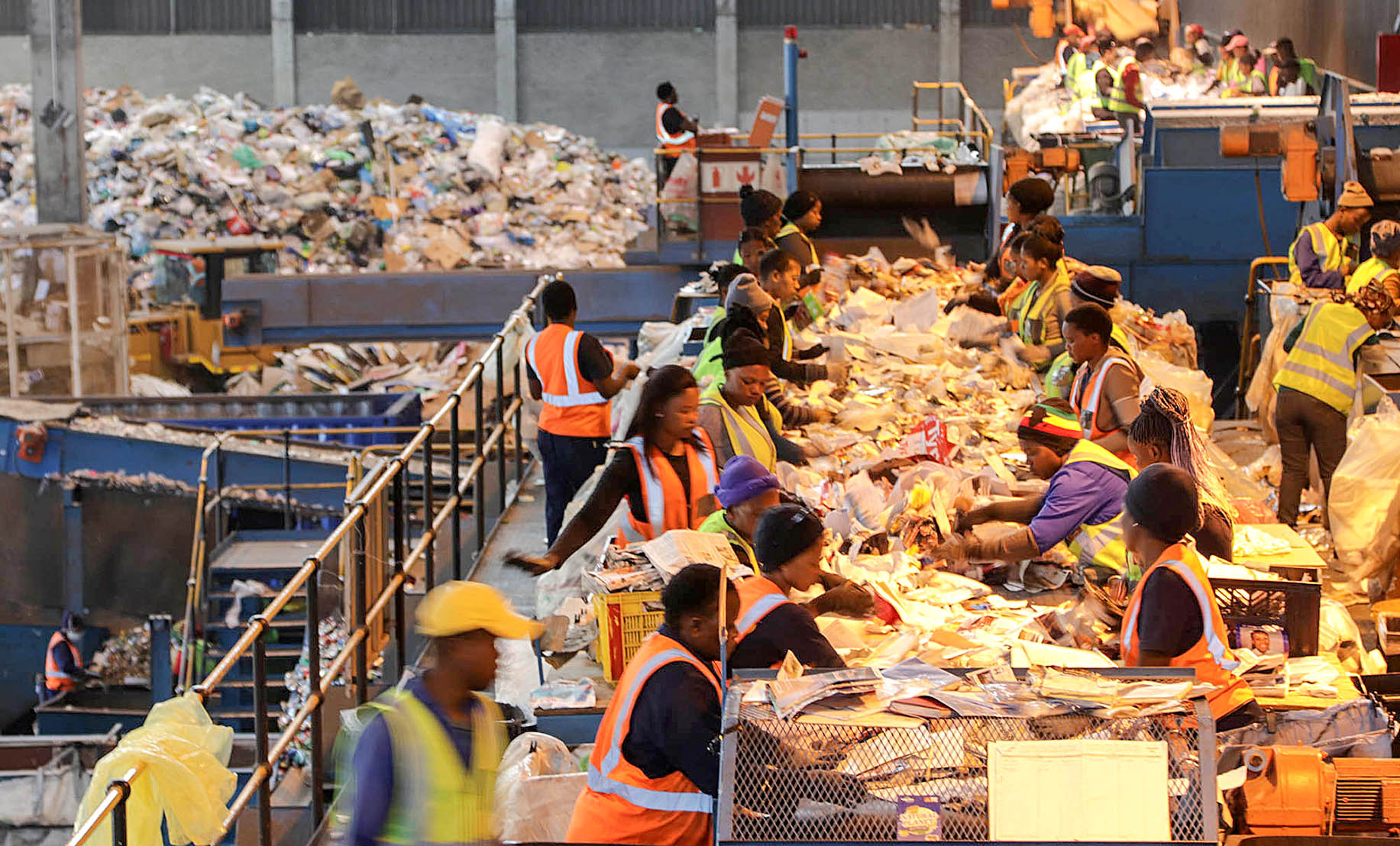
The plastic recycling market faced significant disruption after China's 2018 ban on solid waste imports. However, the emergence of alternative plastics and proactive measures by major retailers are beginning to address this challenge. Companies such as Woolworths and Checkers are implementing initiatives that contribute to a more functional recycling system. These efforts are slowly mending a previously broken market. The evolving landscape reflects a growing awareness of the need for sustainable plastic management.
The shift in plastic waste management dynamics, triggered by China's import ban, highlights the interconnectedness of global supply chains and environmental policy. Retailers' adoption of premium plastic habits and subsequent initiatives demonstrate a market-driven response to evolving consumer expectations and regulatory pressures. This trend suggests that corporate sustainability efforts, when aligned with consumer demand and economic incentives, can play a significant role in mitigating environmental issues. The future effectiveness of these solutions will likely depend on continued innovation in alternative materials, scalable recycling infrastructure, and transparent reporting on plastic lifecycle management.
AI-generated to prompt reflection — not editorial opinion, not advice, not a statement of fact. How this works.