Rethinking Housing: Time-Based Usage as a Solution
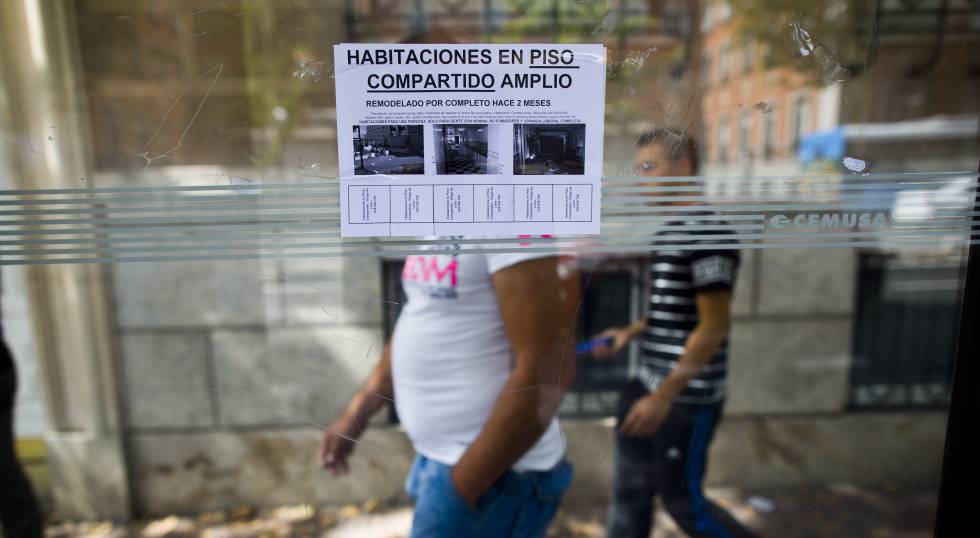
A novel approach to addressing housing challenges suggests fragmenting the time of use rather than the physical space. This concept challenges the traditional model of individual ownership and dedicated occupancy of living spaces. Instead, it proposes a system where properties could be shared or utilized by different individuals or groups at different times. This could potentially increase housing accessibility and affordability by optimizing the utilization of existing resources. The idea is to move away from the idea of static, indivisible units of housing towards a more dynamic and flexible model. This shift could unlock new possibilities for urban planning and social housing initiatives. The core principle is to maximize the utility of housing stock through temporal division, offering a potential solution to scarcity and underutilization.
This proposal introduces a time-based usage model for housing, contrasting with traditional space fragmentation. Such a system could potentially alleviate housing shortages by increasing the efficiency of existing stock, aligning with the growing need for flexible living arrangements in the AI era. However, implementing time-based usage raises complex questions regarding property rights, scheduling logistics, maintenance responsibilities, and potential equity issues. Careful consideration of governance structures and digital platforms would be essential to ensure fair access and prevent disputes. The long-term viability hinges on balancing individual needs for stability with the collective benefit of optimized resource allocation, prompting a reevaluation of societal norms around home ownership and residency.
AI-generated to prompt reflection — not editorial opinion, not advice, not a statement of fact. How this works.