Rethinking 'Madness' in Politics
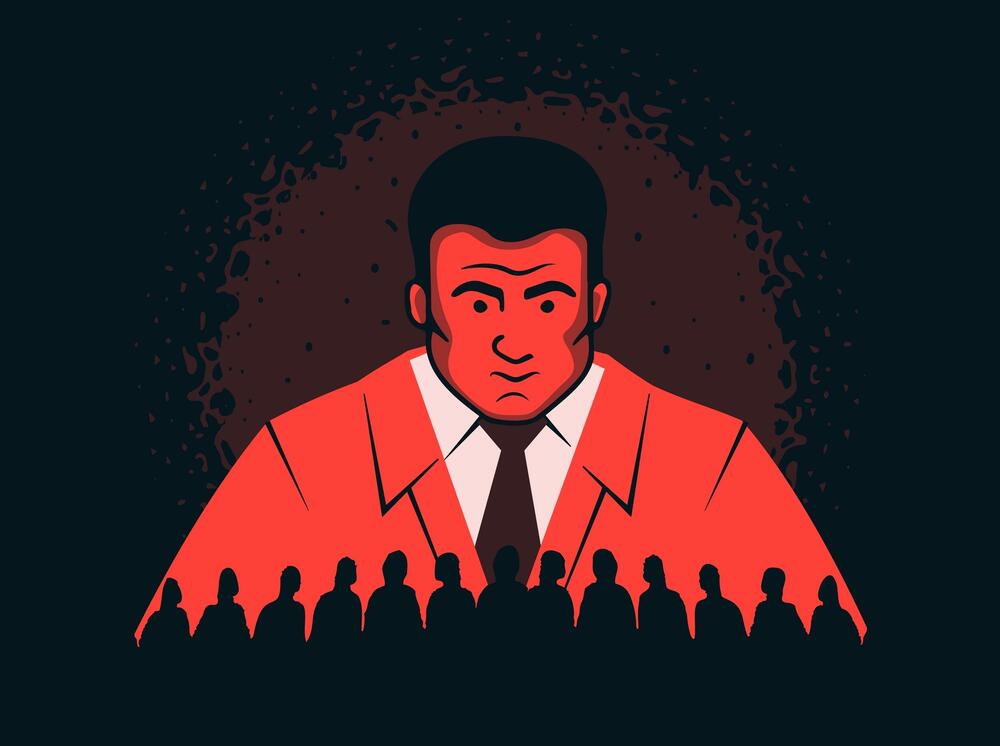
The term 'madness' should be avoided when describing political actions, especially if the actor is presumed to be mentally sound. Instead, it is more appropriate to discuss the irrationalization of politics. This involves examining strategies employed by powerful individuals or groups, which may be either feigned or genuine in their perceived irrationality.
Applying the concept of 'madness' to political discourse risks oversimplifying complex motivations and strategic calculations. A more precise approach involves analyzing the observable 'irrationalization' of policy-making, which can stem from various factors. These may include cognitive biases, information asymmetry, or deliberate strategic choices designed to achieve specific political outcomes through unconventional means. Examining these dynamics through the lens of game theory or behavioral economics can offer clearer insights into the incentives driving such strategies, rather than resorting to potentially stigmatizing labels. Understanding the underlying logic, whether perceived or real, is crucial for assessing the effectiveness and consequences of political actions in the long term.
AI-generated to prompt reflection — not editorial opinion, not advice, not a statement of fact. How this works.