Rethinking School Admissions: Addressing Flaws in the Current SAE System
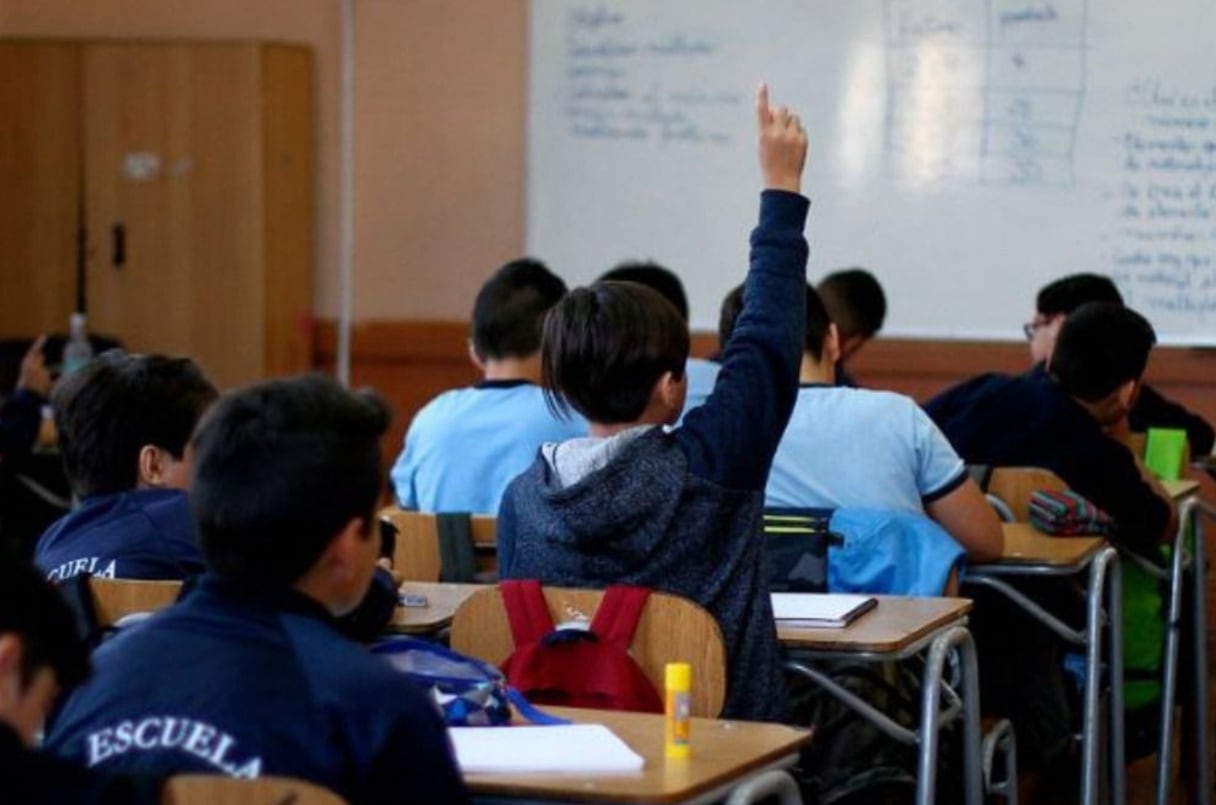
Claudio Sapelli, from Faro UDD, argues for significant changes to the School Admissions System (SAE), highlighting two critical flaws in the current discourse. Firstly, he refutes the idea that reforming the SAE won't create more quality school spots. Sapelli contends that the current system penalizes successful schools by preventing them from selecting students and developing their educational projects. This discourages existing schools from expanding and deters the creation of new, high-quality institutions. Allowing schools to actively participate in student selection based on merit, and ensuring families align with the school's educational vision, would incentivize growth and prevent this perceived penalty. However, he cautions that political polarization and the risk of future policy reversals could undermine these positive effects.
Secondly, Sapelli challenges the notion that shifting from random school-student matching to a system involving school input in selection does not create value. He draws an analogy to the labor market, where proper matching of individuals to roles is crucial for productivity. Imposing random worker selection on companies would lead to significant productivity losses, and Sapelli argues a similar outcome occurs with the current SAE, resulting in poorer learning outcomes. He cites teacher surveys indicating that homogeneous classrooms facilitate teaching, allowing educators to tailor methods to students and improve learning through a "focus effect." Random assignment, conversely, leads to heterogeneous classrooms. Therefore, selecting by merit and considering family alignment with the educational project would foster greater classroom homogeneity, leading to enhanced learning and ultimately benefiting students.
The current discourse on the School Admissions System (SAE) in Chile appears to be caught between competing objectives: equitable access versus educational quality and institutional autonomy. Critics of the current system, like Claudio Sapelli, suggest that random assignment, while seemingly fair on the surface, may inadvertently stifle educational innovation and student achievement by preventing schools from curating learning environments that align with their pedagogical approaches. The argument posits that allowing schools greater input in selection, particularly concerning alignment with their educational project and student merit, could lead to more effective teaching and learning outcomes due to increased classroom homogeneity. However, this perspective raises complex questions about potential reintroduction of exclusionary practices, the definition of "merit," and the societal implications of stratified educational opportunities. Policymakers face the challenge of balancing the imperative for inclusive education with the desire to foster excellence and institutional distinctiveness, navigating a landscape where reforms could inadvertently reinforce existing inequalities or create new ones, potentially impacting long-term social mobility and educational equity.
AI-generated to prompt reflection — not editorial opinion, not advice, not a statement of fact. How this works.