Retired Admiral Sees Encouraging Signs in Strait of Hormuz Amidst Iran Talks Stalemate
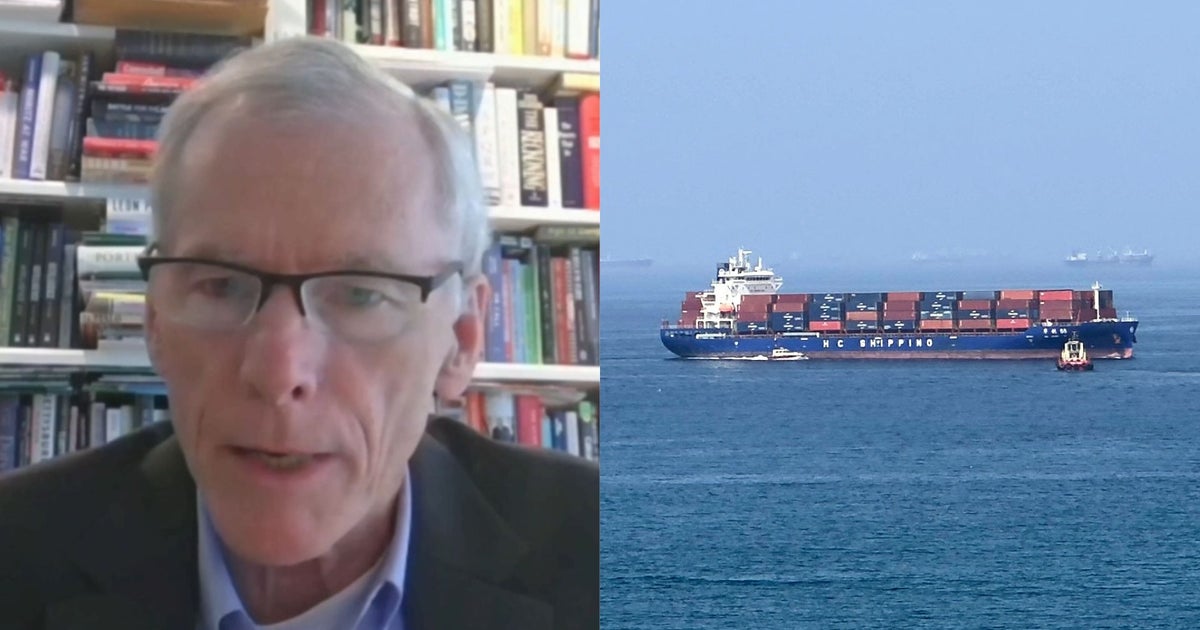
Retired Navy Vice Adm. Robert Murrett has described the current movement in the Strait of Hormuz as "encouraging." This assessment comes as negotiations between the United States and Iran have reached an impasse. The pause in talks is attributed to Iran's observance of the state funeral for Ayatollah Ali Khamenei. Khamenei was reportedly killed in strikes attributed to the U.S. and Israel. Murrett's comments offer a perspective on maritime activity in a critical global waterway during a period of diplomatic uncertainty. The situation highlights the complex geopolitical dynamics at play between the two nations and the broader region. The Strait of Hormuz remains a vital chokepoint for global oil shipments, making any shifts in its operational status a matter of international concern. Further developments in the U.S.-Iran dialogue are anticipated once the period of mourning in Iran concludes.
The movement in the Strait of Hormuz, described as encouraging by Vice Adm. Murrett, suggests a potential de-escalation or stabilization of maritime activity, which is critical for global energy markets. This contrasts with the diplomatic stalemate between the U.S. and Iran, exacerbated by the death of Ayatollah Ali Khamenei and subsequent funeral observances. The situation underscores the delicate balance between geopolitical tensions and the operational realities of international trade routes. Future diplomatic engagements will likely be influenced by both domestic political considerations within Iran and the broader strategic objectives of the involved international actors. The interplay between military posture, maritime security, and diplomatic channels will continue to shape regional stability and global economic outlooks over the coming decade.
AI-generated to prompt reflection — not editorial opinion, not advice, not a statement of fact. How this works.