Retired Lawyer Found Dead After Storm in Paraty to Be Cremated in Rio Grande do Sul
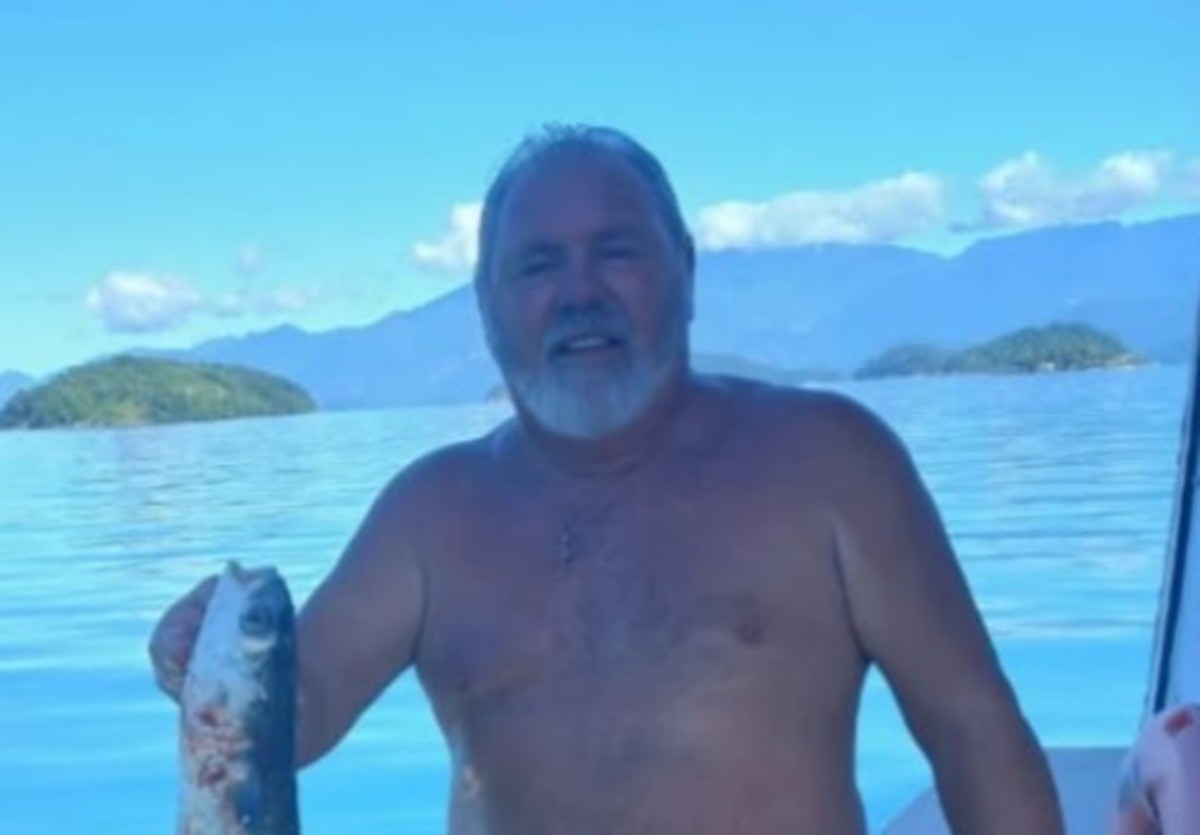
Celsom Costa Junior, a 62-year-old retired lawyer, was found dead on Thursday, August 31st, on Tarituba Beach in Paraty, Rio de Janeiro. He will be cremated in Rio Grande do Sul on Saturday, September 1st. Costa Junior was aboard a vessel that capsized approximately 400 meters from shore during a severe windstorm. He was unable to abandon the boat and died in waters about five meters deep. According to his family, he had been living on his boat and had previously sailed down the Brazilian coast from Rio Grande do Sul, passing through Santa Catarina and Paraná, before settling in Paraty in 2023. The windstorm, with gusts exceeding 100 km/h, affected Angra dos Reis and Paraty on Wednesday, August 29th. The Civil Defense and the National Institute of Meteorology had issued warnings for moderate to strong coastal winds. This weather phenomenon was attributed to the convergence of two cold fronts, one from Paraná and another from Paraguay, with a mass of warm air over the region. The incident highlights the dangers posed by extreme weather events to individuals living or traveling by sea.
The tragic death of Celsom Costa Junior underscores the inherent risks associated with maritime living, particularly when exposed to severe weather events. While the immediate cause was the storm, the incident prompts reflection on the adequacy of maritime safety regulations and early warning systems for coastal communities and individuals residing on vessels. The convergence of weather fronts, as described, represents a predictable meteorological pattern, suggesting that preparedness measures could be enhanced. Future considerations may involve improved communication protocols for at-risk populations, enhanced infrastructure resilience in coastal areas, and potentially revised guidelines for individuals choosing to live aboard vessels in regions prone to extreme weather. Examining the interplay between meteorological forecasts, public safety advisories, and individual risk assessment is crucial for mitigating such preventable tragedies.
AI-generated to prompt reflection — not editorial opinion, not advice, not a statement of fact. How this works.