Retired Police Colonel Allegedly Planned Vacation with Suspected PCC Member
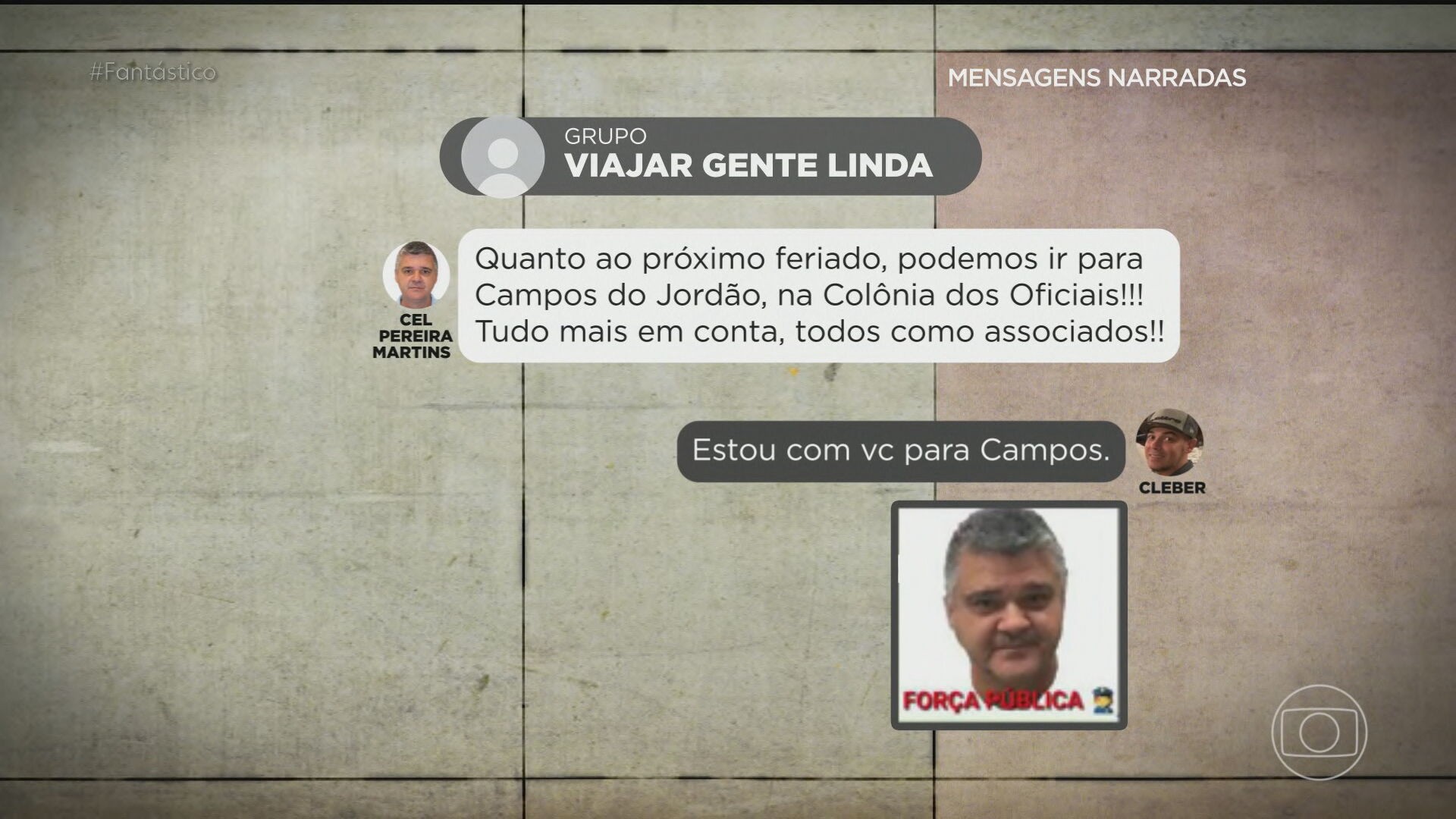
Messages revealed by the São Paulo Public Prosecutor's Office suggest a retired Brazilian military police colonel, Luiz Carlos Pereira Martins, invited a man investigated for ties to the PCC criminal faction to stay at an exclusive police officers' vacation colony. The conversations, which occurred in September 2020, were part of a group chat named "Viajar Gente Linda" (Let's Travel, Beautiful People). In one message, Colonel Martins proposed a trip to Campos do Jordão, highlighting that the accommodation would be "more affordable" for associates. Cleber Azevedo dos Santos, identified by prosecutors as having links to the PCC, responded positively to the invitation, showing interest in the trip and interacting with other group members. Investigators view this exchange as evidence of the colonel's close relationship with individuals under scrutiny for PCC involvement. The alleged connection extended beyond this single instance, with further messages in 2022 indicating discussions about reservations at another police vacation colony in Boraceia. During this period, Colonel Martins also communicated with Robson Martins de Souza, reportedly Cleber's business partner and involved in alleged bribery schemes targeting police officers. Both Cleber and Robson were arrested in a recent operation. The investigation also uncovered messages where the colonel offered to facilitate contacts within the police force and appeared in chat groups with individuals suspected of involvement in PCC-linked money laundering operations. The Public Prosecutor's Office stated that investigations are ongoing, and the São Paulo Public Security Secretariat confirmed that internal affairs units are rigorously examining the facts and any potential responsibilities.
This case highlights potential systemic vulnerabilities where individuals in positions of authority may leverage their access and influence for personal or illicit connections. The alleged interactions between a retired police colonel and individuals linked to organized crime, particularly concerning the use of exclusive vacation facilities, raise questions about oversight mechanisms and the integrity of professional associations. Examining the incentive structures that might encourage such behavior, whether driven by personal relationships, financial gain, or a perceived ability to offer favors, is crucial. Future policy considerations could involve enhanced transparency in the use of official facilities and more robust background checks for individuals interacting with law enforcement personnel, especially when organized crime is a factor. The long-term implications for public trust in law enforcement institutions depend on rigorous investigation and accountability.
AI-generated to prompt reflection — not editorial opinion, not advice, not a statement of fact. How this works.