Retired Police Officer Rescued in Critical Condition, Malnourished and Injured in Goiás
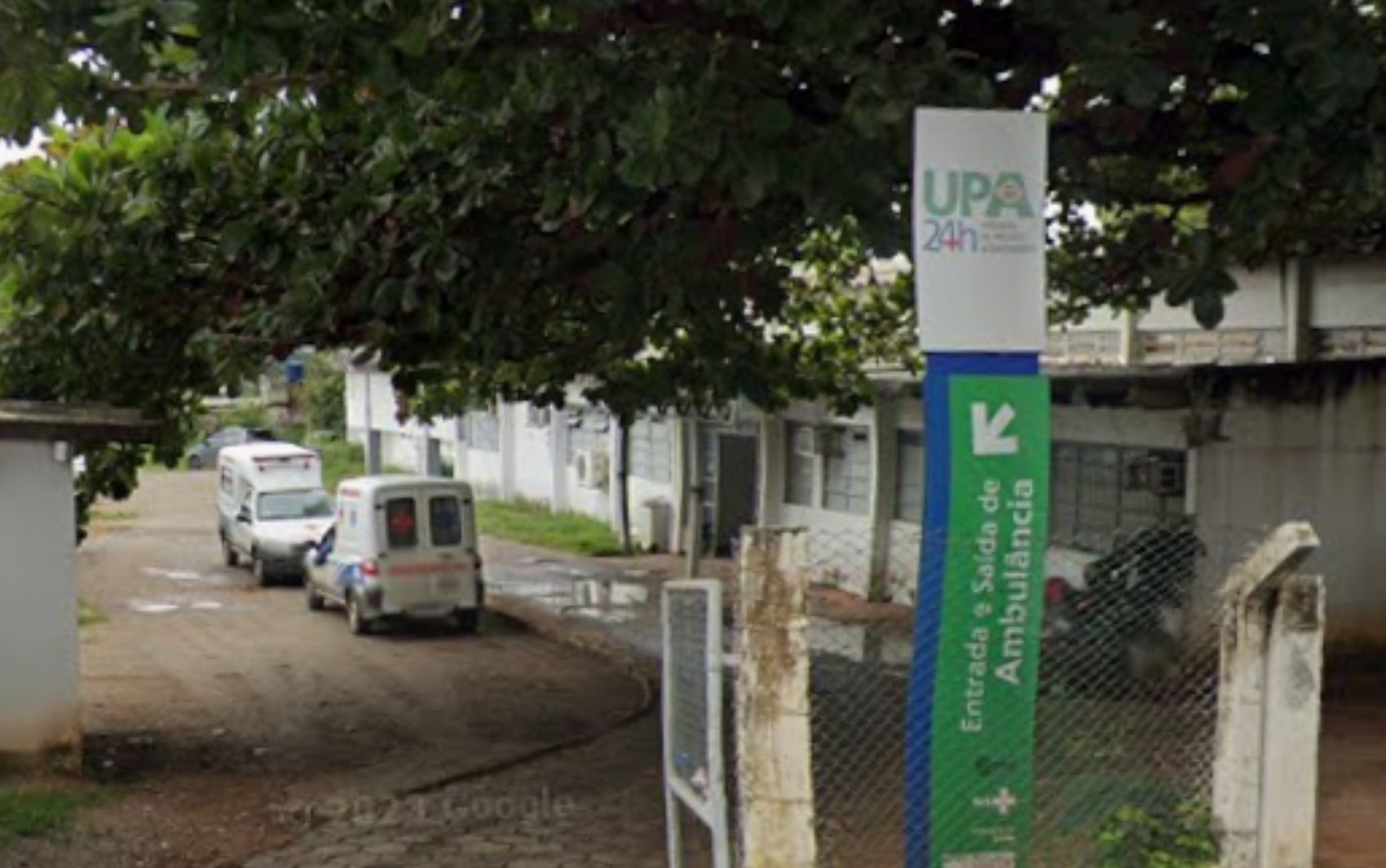
A 66-year-old retired police officer was rescued in Goiânia, Goiás, in a severely malnourished and emaciated state, suffering from body injuries. The man was found in critical condition at a health unit, according to the Civil Police. His 25-year-old adopted son, with whom he lived, has been arrested in flagrante delicto on suspicion of mistreatment and neglect. The incident came to light on Monday, May 13th, when the officer's sisters visited him in the Jardim Novo Mundo neighborhood. They reported that the young man, considered their father's "son of consideration," had been restricting visits, allowing them only to see the elder through a window. Upon insisting, they were eventually allowed inside and were shocked by the victim's deplorable state. Medical personnel at the UPA Jardim América confirmed the victim's grave condition, noting signs of neglect including purulent secretions, a strong odor, dehydration, and emaciation. The victim was reportedly unresponsive and unable to communicate. The sisters stated the adopted son was solely responsible for the elder's care and had prevented other family members from visiting. The suspect claims the victim's health issues worsened this year and that he refused further medical treatment. However, the police delegate stated that as the caregiver, the son had a duty to seek medical attention. The arrested individual faces charges of failing to provide healthcare assistance to the elderly and is awaiting a custody hearing, with authorities requesting his preventive detention.
This case highlights critical failures in elder care and guardianship systems, where a dependent individual was allegedly subjected to severe neglect and mistreatment within his own home. The situation underscores the vulnerability of elderly persons, particularly those with pre-existing health conditions, when primary caregivers obstruct external support networks and access to medical services. The legal framework for elder abuse and neglect aims to protect such individuals, yet enforcement and proactive monitoring remain paramount challenges. Future considerations should involve strengthening community-based reporting mechanisms and ensuring accessible avenues for family members to intervene when they suspect harm, thereby mitigating the risk of prolonged suffering and irreversible health deterioration.
AI-generated to prompt reflection — not editorial opinion, not advice, not a statement of fact. How this works.