Return to Office Trend Continues Amidst Ongoing Debate Over Remote Work
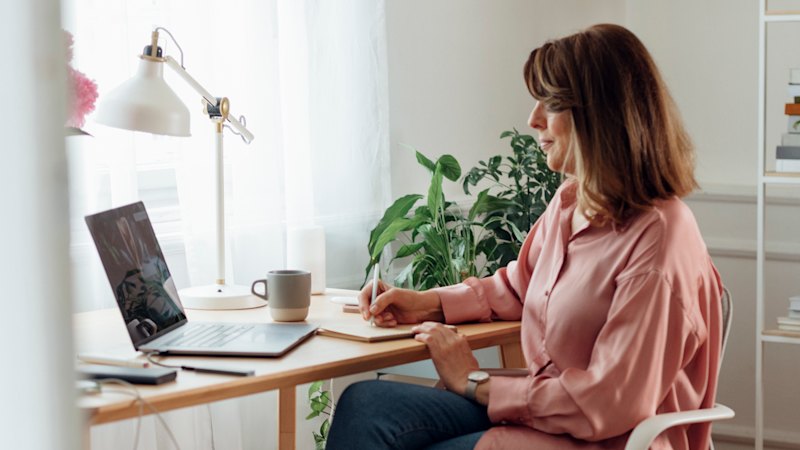
Despite the widespread adoption of Work From Home (WFH) policies, a subtle but persistent trend indicates a gradual return of employees to physical office spaces. This shift is occurring within the ongoing debate about the future of remote work and its long-term viability. The data suggests that while WFH has become a significant part of the modern workforce's structure, the balance between remote and in-office work is still being actively negotiated. This evolving dynamic raises questions about whether the era of extensive remote work might be drawing to a close. The article implies that the initial surge in WFH may be giving way to a more nuanced approach as employers and employees navigate new working arrangements. The precise nature and extent of this trend are still unfolding, but it signals a potential recalibration of workplace norms that have been established over the past few years. The ongoing tug-of-war between flexible remote options and traditional office presence continues to shape the future of employment.
The observed return-to-office trend, occurring despite the established prevalence of WFH, highlights the persistent structural advantages and stakeholder preferences associated with centralized workplaces. This dynamic reflects a complex interplay of factors including organizational culture, collaboration efficacy, real estate investments, and managerial oversight preferences. As businesses recalibrate their operational models in the AI era, the optimal balance between remote flexibility and in-person synergy will likely continue to be a key area of strategic focus. Future workplace design may integrate hybrid models that seek to harness the benefits of both paradigms, addressing potential productivity, innovation, and employee well-being trade-offs.
AI-generated to prompt reflection — not editorial opinion, not advice, not a statement of fact. How this works.