Reusable Cups Don't Deter Climate Protest, Australian Study Finds
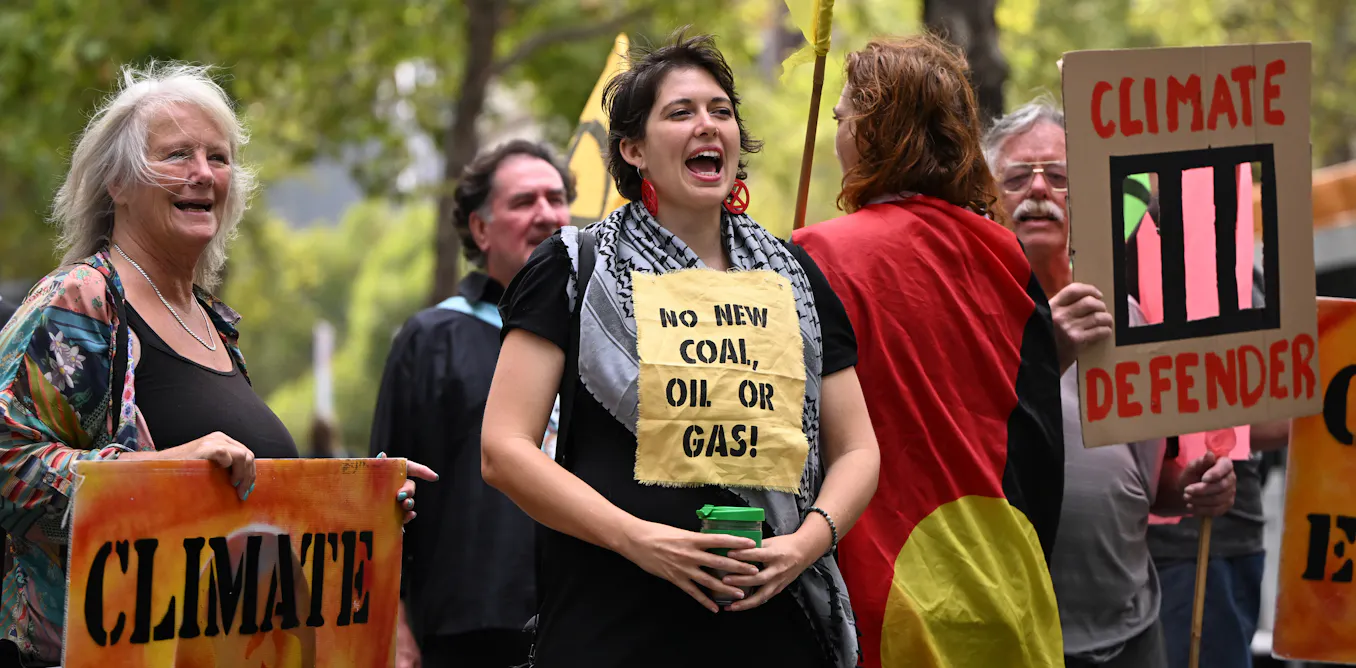
A study tracking 2,800 Australians suggests that engaging in small, personal environmental actions, such as using reusable cups, does not diminish individuals' likelihood of participating in larger forms of climate activism. The research aimed to investigate whether focusing on individual behaviors might inadvertently reduce broader engagement with climate change issues. Contrary to potential concerns that personal eco-friendly choices could lead to complacency, the findings indicate that these actions do not prevent people from recognizing the significant scale of the climate crisis. The study implies that individuals can simultaneously adopt personal sustainability practices and remain motivated to advocate for systemic change. This suggests that small, everyday choices and larger-scale environmental advocacy are not mutually exclusive. The research provides insights into the motivations and behaviors of Australians concerning climate change. It highlights that personal responsibility actions do not necessarily detract from a broader understanding or concern for the global environmental challenge. The study's methodology involved observing the habits and activism levels of a substantial group of participants over an unspecified period.
This study challenges the notion that individualistic environmental actions, such as using reusable cups, might substitute for or reduce engagement in collective climate activism. It suggests that personal-scale behaviors are unlikely to diminish awareness of systemic climate challenges. The findings imply that individuals can integrate micro-level sustainable practices with macro-level advocacy, indicating a potential for synergistic action rather than a zero-sum trade-off. This perspective is crucial in the AI era, where understanding complex human motivations and behavioral economics will be key to driving widespread adoption of both personal and systemic climate solutions. The research prompts consideration of how to best leverage individual actions as a gateway to, rather than a replacement for, broader societal and political engagement with climate change.
AI-generated to prompt reflection — not editorial opinion, not advice, not a statement of fact. How this works.