Reverse Gear Gang Smashes Hardware Store Door with Car in Uberlândia
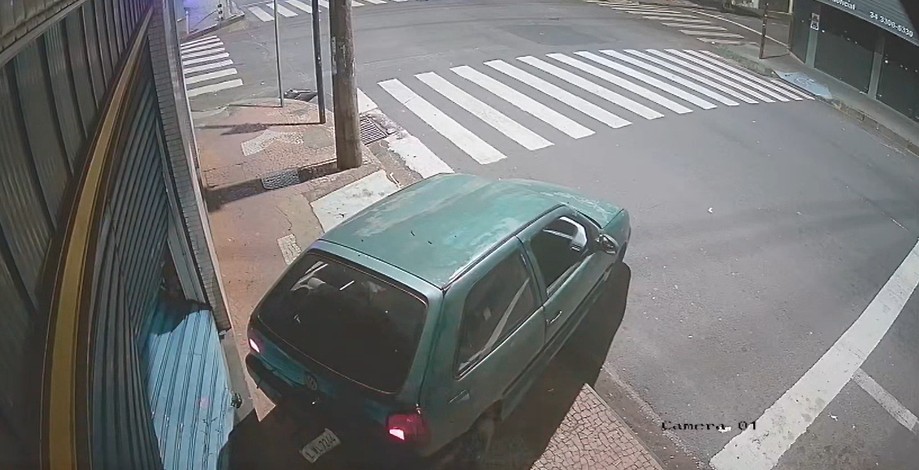
A hardware store in the Martins neighborhood of Uberlândia, Brazil, was broken into early Tuesday morning, July 7th, around 2:30 AM. Security footage captured the incident on Vasconcelos Costa Avenue, showing criminals using a car to ram the store's door. The driver positioned the vehicle, then accelerated in reverse, smashing the entrance and creating an opening. The rear license plate of the car was visibly damaged during the forceful entry. While the door was being broken down, three other individuals waited outside. Once inside, the group quickly looted merchandise from the shelves, loading it into the getaway vehicle. The entire operation, from the initial impact to the escape, lasted approximately ninety seconds. As of the latest update, a police report had not yet been filed, and details regarding the stolen items or the estimated financial loss were unavailable. This is the second attempted crime at this specific establishment this week. On July 5th, around 4:10 AM, police responded to a prior attempt where criminals also used a vehicle to break down the store's gate. Although the gate was damaged, its reinforced structure prevented the thieves from entering, and the case was referred to the Civil Police.
This incident highlights a concerning pattern of vehicular ramming used for commercial burglaries, indicating a potential escalation in the boldness and methods of organized criminal groups. The efficiency of the operation, completed within ninety seconds, suggests pre-planning and coordination. The repeated targeting of the same business within a short timeframe raises questions about the effectiveness of existing security measures and the perceived risks for perpetrators in the area. Future security strategies may need to incorporate more robust physical deterrents and enhanced surveillance, while law enforcement efforts could focus on intelligence gathering to disrupt such highly coordinated, rapid-response criminal activities before they occur, considering the systemic vulnerabilities exploited.
AI-generated to prompt reflection — not editorial opinion, not advice, not a statement of fact. How this works.