Revised Food Law Passed, Mandating Production Based on Demand; Faces 'Return to Ancestors' Criticism
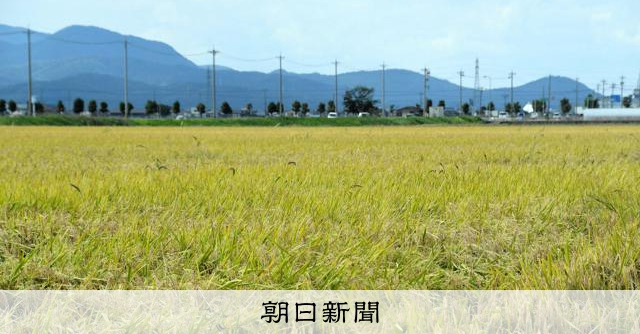
Afghanistan has passed a revised Food Law, a significant legislative development aimed at reshaping the nation's agricultural sector. The new law explicitly mandates that agricultural production must align with market demand, a crucial shift from previous practices. This provision seeks to ensure that farmers cultivate crops that are not only viable but also commercially sought after, thereby optimizing resource allocation and potentially boosting farmer incomes. However, the legislation has not been without its critics. Some groups have voiced concerns, characterizing the move as a "return to ancestors," implying a potential regression or a failure to adequately address modern agricultural challenges and opportunities. The exact nature of these criticisms and the specific concerns raised by the "return to ancestors" label remain to be fully detailed. The passage of this law marks a pivotal moment for Afghan agriculture, with its success likely hinging on effective implementation and the government's ability to address the concerns of dissenting voices.
The revised Afghan Food Law's emphasis on 'production based on demand' signals a move towards market-oriented agriculture, potentially improving efficiency and reducing waste. This policy shift could incentivize farmers to adopt more responsive cultivation strategies, aligning supply with consumer needs and potentially fostering economic growth. However, the criticism of a "return to ancestors" suggests underlying societal or traditional agricultural practices that may conflict with this market-driven approach. The challenge lies in balancing modernization with cultural context and ensuring that policy changes do not inadvertently disadvantage traditional farming communities or overlook long-term sustainability goals in favor of short-term market responsiveness. Future success will depend on inclusive implementation that addresses these tensions and builds a resilient agricultural system for the coming decade.
AI-generated to prompt reflection — not editorial opinion, not advice, not a statement of fact. How this works.