Revised Imperial House Law Promulgated; Government Hesitant on Female Succession
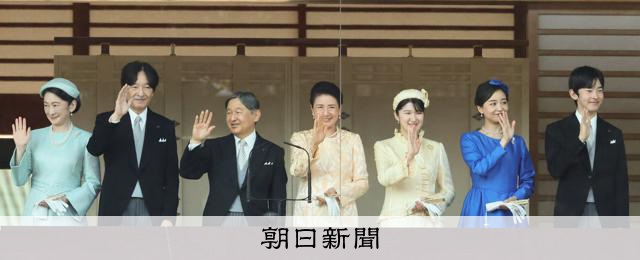
Japan's revised Imperial House Law has been promulgated, but the contentious issue of female and matrilineal imperial succession has been postponed. The government has expressed a passive stance on addressing these matters further. This development follows discussions and debates surrounding the future of the imperial lineage. The current law, as revised, does not introduce changes that would allow for women or individuals from maternal lines to ascend to the Chrysanthemum Throne. The decision to defer these significant constitutional questions indicates a cautious approach by the administration. It suggests that a broad consensus has not yet been reached on such a fundamental aspect of the imperial system. The promulgation of the revised law, therefore, represents a partial update rather than a comprehensive reform of the succession rules. Further deliberation is expected, but the timeline remains uncertain. The government's reluctance highlights the deep-seated traditions and potential societal divisions surrounding gender roles within the imperial family. This postponement leaves the long-term stability of the imperial succession open to future debate and potential challenges.
The promulgation of the revised Imperial House Law, while updating certain aspects, strategically sidesteps the complex and potentially divisive issue of female imperial succession. This approach reflects a common governance strategy of deferring deeply entrenched societal or traditional challenges in favor of incremental change. The government's passive stance on female and matrilineal succession suggests an awareness of the significant cultural and political hurdles involved, possibly anticipating public or institutional resistance. From a future-oriented perspective, this deferral creates a potential governance gap, as demographic trends may eventually necessitate a resolution. The long-term sustainability of the imperial institution could be influenced by its ability to adapt to evolving societal norms regarding gender equality, balancing tradition with the need for a stable and inclusive succession framework.
AI-generated to prompt reflection — not editorial opinion, not advice, not a statement of fact. How this works.