Revisiting 'Where Eagles Dare': The Castle, Cable Car, and Nazis
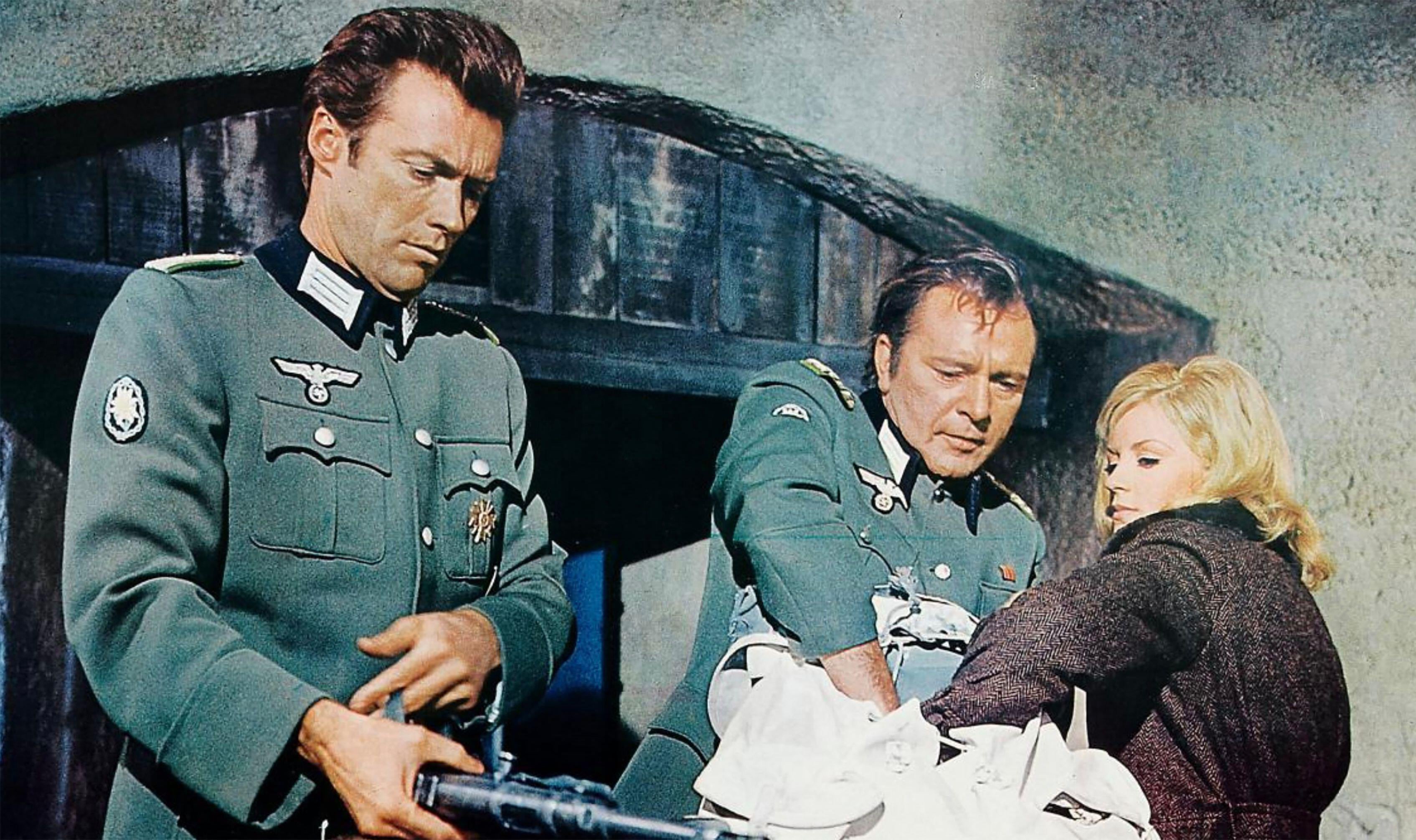
Geoff Dyer's new book offers an enthusiastic and highly entertaining exploration of the iconic war film 'Where Eagles Dare,' starring Richard Burton and Clint Eastwood. The film, based on Alistair MacLean's novel, is celebrated for its thrilling plot and memorable setting. The narrative centers around a daring mission during World War II, involving a seemingly impregnable castle, a dramatic cable car ascent, and the presence of Nazi forces. Dyer's work invites readers to re-examine the film's enduring appeal, its cinematic techniques, and its place in the war movie genre. The book delves into the production of the film, its historical context, and the performances of its lead actors. It highlights the film's blend of action, suspense, and adventure, which has captivated audiences for decades. The castle, a central element of the plot, and the perilous cable car sequence are particularly scrutinized for their impact on the film's tension and visual spectacle. Dyer's engaging prose promises a fresh perspective on this classic cinematic experience.
This piece revisits a classic war film, focusing on its narrative elements and cinematic appeal. The analysis of such films often involves examining their portrayal of historical events, particularly World War II, and how they contribute to popular understanding and memory of the conflict. The inclusion of Nazi elements, while common in the genre, warrants consideration of the film's perspective and potential for perpetuating stereotypes. Future analyses might explore how 'Where Eagles Dare' aligns with or diverges from contemporary understandings of historical accuracy and representation in media, especially in an era increasingly focused on nuanced portrayals of conflict and its actors. The enduring popularity of such films also speaks to audience engagement with themes of heroism, espionage, and dramatic action, which continue to resonate.
AI-generated to prompt reflection — not editorial opinion, not advice, not a statement of fact. How this works.