Revolutionary HIV Prevention Drug Lenacapavir Faces Accessibility Hurdles
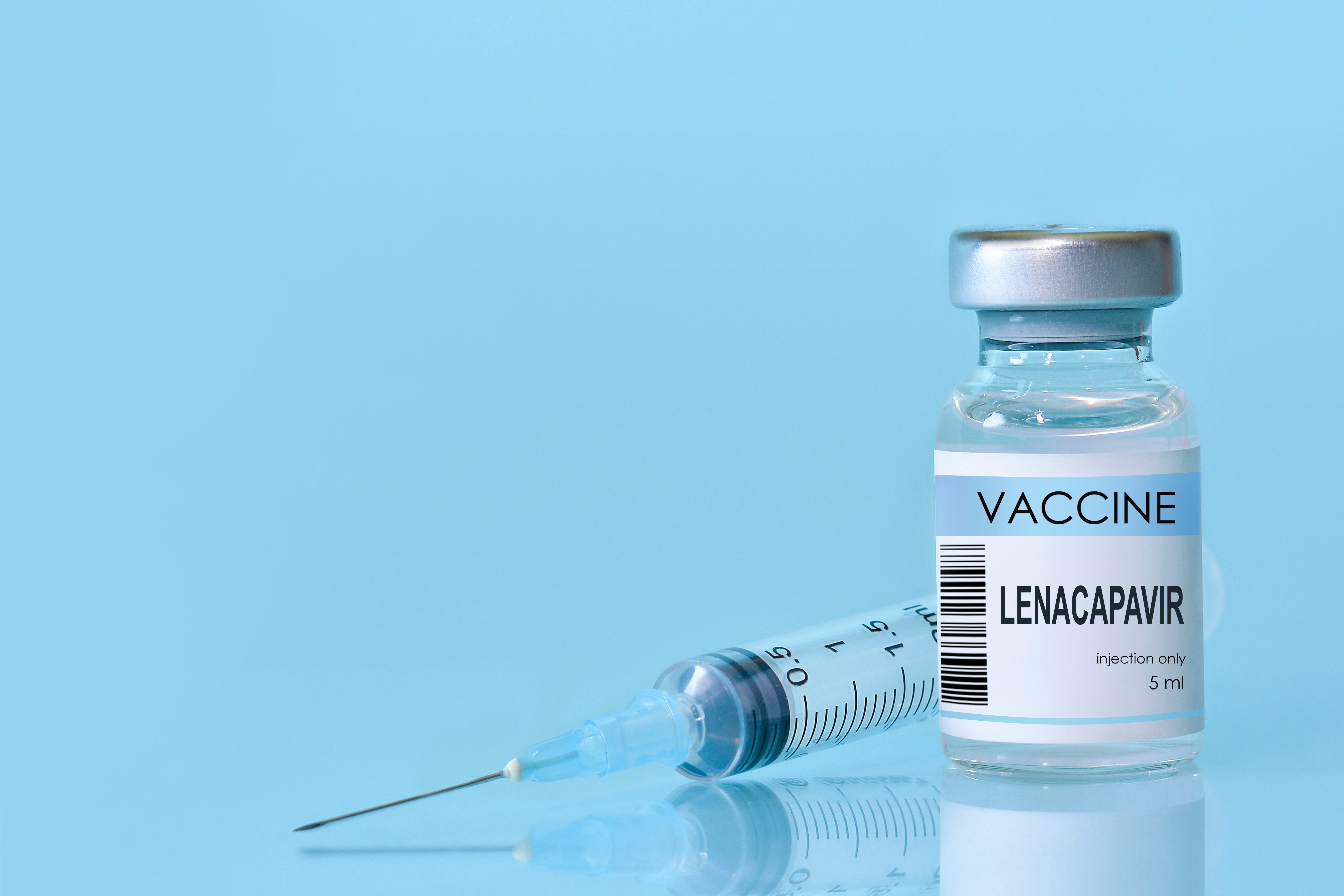
The injectable HIV prevention drug lenacapavir, approved by Anvisa, offers a significant advancement over daily oral PrEP by requiring only a single injection every six months. This addresses a major challenge in HIV prevention: medication adherence, which is particularly difficult for healthy individuals taking daily pills. Experts like Salim Abdool Karim highlight that adherence rates for daily PrEP can drop dramatically within months, leaving many unprotected. Lenacapavir's long-acting nature virtually guarantees adherence for those who receive the injections, making it a potentially highly effective tool. The drug targets the HIV capsid, a novel mechanism distinct from existing PrEP medications that block viral enzymes. This unique approach is considered highly potent and effective even at low concentrations. Lenacapavir is particularly crucial for groups with persistently high HIV incidence, including young women in Africa, gay men in Western countries, and vulnerable gay communities in Eastern Europe and Central Asia. While Gilead has made agreements for widespread distribution, including providing the drug at no profit to up to 2 million people and authorizing generic versions in 120 countries, significant access issues persist. Some Latin American countries, despite participating in clinical trials, have been excluded from distribution initiatives. Even in eligible regions, vulnerable populations may not receive adequate supply, prompting calls for increased production and direct sales to organizations like Doctors Without Borders at affordable prices. Ultimately, lenacapavir's success in reducing HIV infections hinges on affordability, efficient distribution, and targeted delivery to those most at risk, a challenge that remains significant.
The introduction of lenacapavir marks a significant technological leap in HIV prevention, promising to overcome historical adherence barriers associated with daily oral PrEP. By shifting to a six-month injectable regimen, the drug addresses a core systemic challenge in public health: ensuring consistent treatment uptake among populations who may face stigma, forgetfulness, or logistical difficulties with daily medication. However, the current pricing and distribution models raise questions about equitable access, particularly for vulnerable communities and nations. The exclusion of certain Latin American countries from distribution initiatives, despite their participation in trials, suggests that market access and profit considerations may still outweigh public health imperatives. The drug's potential to drastically reduce new infections is contingent on its availability to those most at risk, a dynamic that requires proactive outreach and accessible supply chains. Without addressing these structural inequities in access, even revolutionary medical advancements may fail to achieve their full public health potential, potentially exacerbating existing health disparities in the coming decade.
AI-generated to prompt reflection — not editorial opinion, not advice, not a statement of fact. How this works.