Rewilding: A Path to a Greener Future Amidst Eco-Grief?
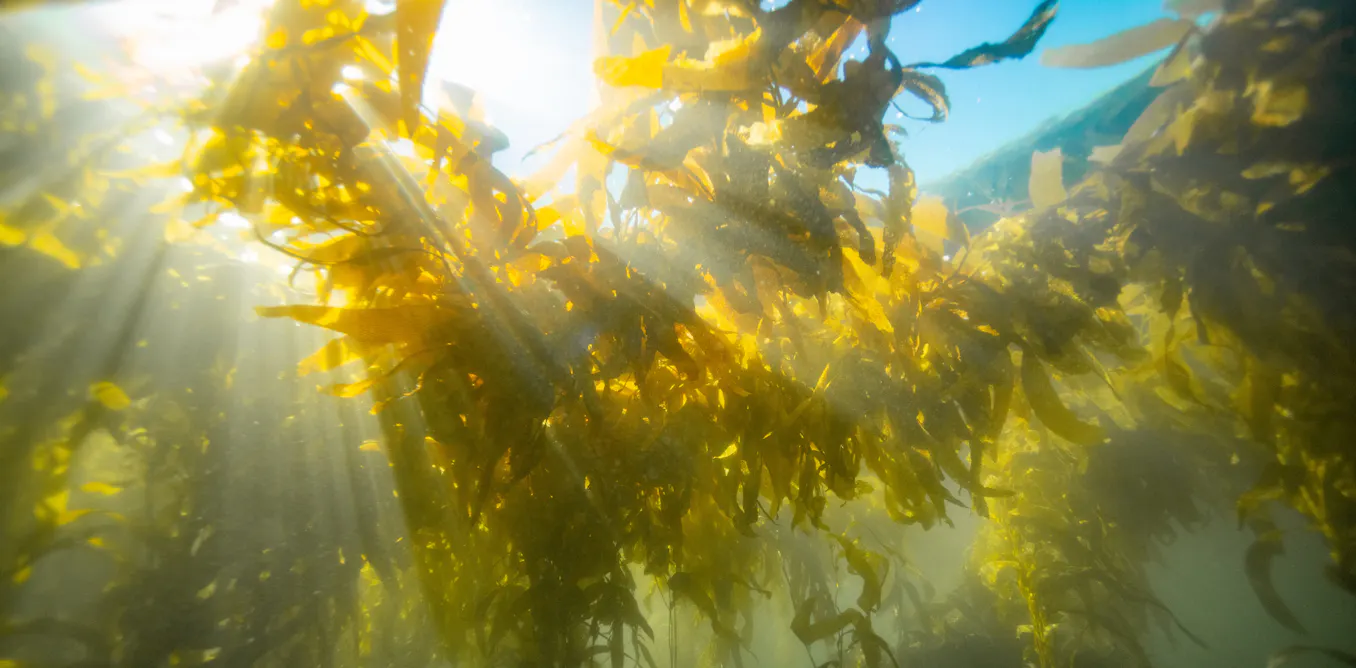
In an era marked by widespread eco-grief, the concept of rewilding is emerging as a beacon of hope. Projects globally, ranging from the restoration of giant kelp forests to allowing agricultural lands to revert to their natural states, exemplify this approach. These initiatives aim to counteract environmental degradation and foster biodiversity. The idea behind rewilding is to allow natural processes to take over, restoring ecosystems to a more wild and resilient condition. This can involve reintroducing species, removing human infrastructure, and ceasing intensive land management practices. The hope is that by stepping back, nature can heal itself, offering a more sustainable and vibrant future. As concerns about climate change and biodiversity loss escalate, rewilding presents a compelling vision for environmental recovery and a potential antidote to the pervasive sense of ecological despair.
Rewilding initiatives, while offering a hopeful narrative for ecological restoration, represent a complex interplay between human intervention and natural processes. The effectiveness and scalability of these projects depend on numerous factors, including the specific ecosystem, the degree of prior human impact, and the long-term commitment of resources and policy support. As societies grapple with the dual challenges of climate change and biodiversity loss, rewilding presents a potential strategy for ecosystem resilience. However, careful consideration must be given to the potential socio-economic implications, such as land use conflicts and the economic viability of transitioning away from traditional land management practices. Evaluating rewilding's role in the broader context of conservation and sustainable development requires a nuanced understanding of its ecological benefits, potential risks, and the governance structures needed for its successful implementation over the next decade and beyond.
AI-generated to prompt reflection — not editorial opinion, not advice, not a statement of fact. How this works.