Reza Pahlavi Faces Support and Criticism During Dutch Parliament Visit
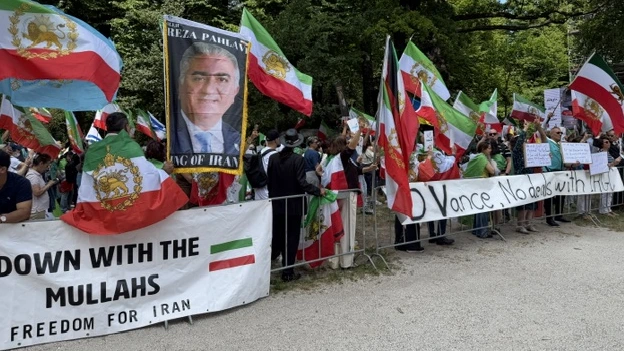
Reza Pahlavi, son of Iran's last Shah, addressed the Dutch House of Representatives at the invitation of the VVD party. Hundreds of his supporters gathered outside, waving pre-1979 Iranian flags and chanting slogans for regime change. Some also displayed American and Israeli flags. Pahlavi positions himself as a liberator for Iranians, but critics argue he does not represent the entire Iranian diaspora and has not disavowed human rights abuses during his father's rule. Several Iranian-Dutch organizations expressed their opposition in an open letter, stating that many Iranians do not view him as a democratic representative and that he was never officially elected. In response to this criticism, the House of Representatives' Foreign Affairs Committee moved a broader program with Iran experts, politicians, and activists forward. Pahlavi participated in a closed session, receiving significant speaking time. Iranian-Dutch writer Shohreh Feshtali supported the invitation, believing it gives a platform to the voice of over 90 million Iranians and highlights the dire human rights situation in Iran. Conversely, Asefeh Eskandari, of Iranian-Kurdish origin, criticized the invitation, arguing it creates division within the community. Eskandari noted that Pahlavi's supporters have been aggressive towards dissenting voices and that many different groups seek to contribute to Iran's future. She believes the invitation wrongly suggests Pahlavi is the sole leader for Iran's future, whereas people in Iran desire freedom, dignity, and life, not another strongman.
Reza Pahlavi's visit to the Dutch parliament highlights the complex geopolitical landscape surrounding Iran and the diverse aspirations within the Iranian diaspora. While Pahlavi's supporters advocate for a swift return to a pre-revolutionary political order, critics point to the need for inclusive representation and a democratic mandate, reflecting broader global trends toward decentralized governance and human rights-based foreign policy. The event underscores the challenge of balancing historical narratives with contemporary demands for freedom and dignity, particularly in the context of evolving international relations and the ongoing technological shifts that empower citizen voices globally. Future engagement with Iran will likely necessitate navigating these competing visions and ensuring that diplomatic efforts genuinely reflect the will of the people, rather than favoring specific historical or political factions.
AI-generated to prompt reflection — not editorial opinion, not advice, not a statement of fact. How this works.