Reza Pahlavi: 'We do not negotiate with executioners' regarding Iran regime
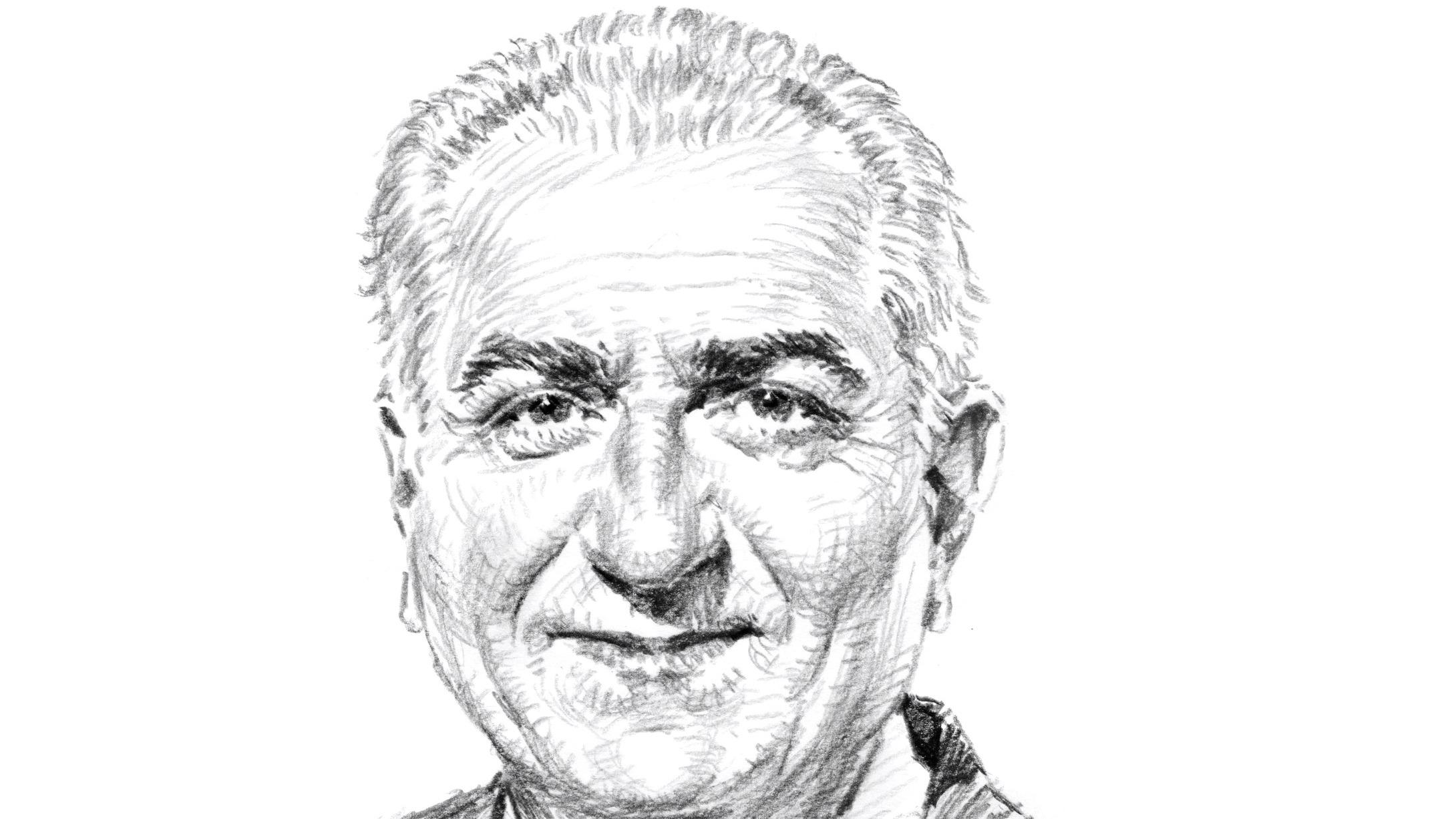
Reza Pahlavi, son of the last Shah of Iran, argues that the United States is mistaken in its attempts to seek peace with the current Iranian regime. He contends that the regime oppresses its own people and fails to honor its international commitments. Pahlavi emphasizes that the sacrifices of the Iranian people, represented by the "forty thousand Iranians" who have died, were not for conditional reopening of the Strait of Hormuz or for a capitulation by the free world. He believes that negotiating with such a regime, which he characterizes as one of "executioners," is fundamentally flawed.
Reza Pahlavi's statement highlights a fundamental tension in international relations: the challenge of engaging with regimes that exhibit authoritarian behavior and human rights abuses. From a geopolitical perspective, the strategic importance of regions like the Strait of Hormuz often compels nations to balance security concerns with diplomatic engagement, even with adversarial states. Pahlavi's perspective suggests that such engagement, if perceived as legitimizing or rewarding oppressive actions, may undermine broader democratic values and the long-term stability of the region. The analysis of such diplomatic strategies requires careful consideration of the potential for unintended consequences, including the emboldening of authoritarian elements and the erosion of international norms.
AI-generated to prompt reflection — not editorial opinion, not advice, not a statement of fact. How this works.