Rhine in Flames Event Canceled Due to Low Water Levels
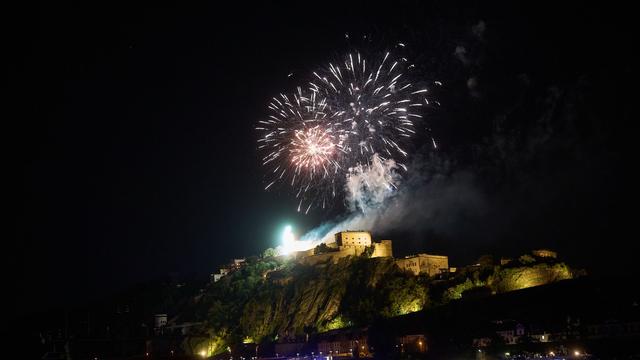
The popular "Rhine in Flames" event, a major draw for tourism, has been canceled this year due to critically low water levels on the Rhine River. The event, known for its impressive ship convoys and fireworks displays, cannot proceed without sufficient water depth to ensure the safe navigation of the participating vessels. This cancellation highlights the significant impact of drought conditions on regional tourism and cultural events. The Rhine River's low water levels have been a persistent issue in recent years, affecting shipping, industry, and leisure activities. Authorities have stated that the decision was made to prioritize safety and avoid potential hazards associated with navigating the river under current conditions. The "Rhine in Flames" event typically attracts thousands of visitors, and its absence is expected to have a notable economic impact on the affected towns and regions along the river. This situation underscores the growing challenges posed by climate change and its influence on natural resources essential for major public events. Further updates on potential alternative arrangements or future events will be communicated by the organizers.
The cancellation of "Rhine in Flames" due to low water levels serves as a stark indicator of the increasing vulnerability of major European cultural events and tourism to climate-induced environmental changes. This event's reliance on a navigable Rhine River illustrates a broader systemic dependency on stable hydrological conditions, which are becoming less predictable. The economic ripple effects on local communities dependent on tourism are significant, prompting a need for adaptive strategies. Future event planning may require integrating more robust environmental risk assessments and potentially developing contingency plans that are less susceptible to natural fluctuations, such as exploring alternative venues or formats. This situation also points to the long-term challenge of balancing traditional economic activities with environmental sustainability in the face of a changing climate.
AI-generated to prompt reflection — not editorial opinion, not advice, not a statement of fact. How this works.