Rhine River Drought Strains German Economy, Threatens GDP
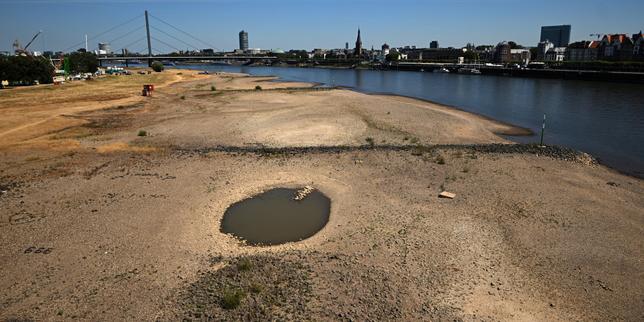
The Rhine River in Germany is experiencing exceptionally low water levels due to prolonged drought conditions. This severe situation is significantly disrupting river transport, a critical artery for the German economy. Businesses that rely on this strategic waterway are facing increased costs and potential operational challenges. The ongoing drought is putting considerable pressure on the German economic sector. The low water levels are a direct consequence of several weeks of dry weather. This impacts the efficiency and cost-effectiveness of transporting goods via the Rhine. The German economy's reliance on this vital river system makes it particularly vulnerable to such environmental events. The potential impact on the country's Gross Domestic Product (GDP) is a growing concern as the situation persists. The disruption to logistics and supply chains could have far-reaching economic consequences.
The Rhine's critically low water levels highlight the fragility of industrial supply chains dependent on natural resources and infrastructure. This event underscores the systemic risk posed by climate change to Europe's economic backbone, particularly Germany's heavy reliance on riverine transport for key industries. Future economic planning must integrate climate resilience and diversification of logistics networks to mitigate the impact of such environmental shocks. The situation prompts consideration of long-term investments in alternative transportation methods and water management strategies to ensure economic stability in the face of increasing climate volatility.
AI-generated to prompt reflection — not editorial opinion, not advice, not a statement of fact. How this works.
