Rhine River Hits Historic Low, Threatening German Industry
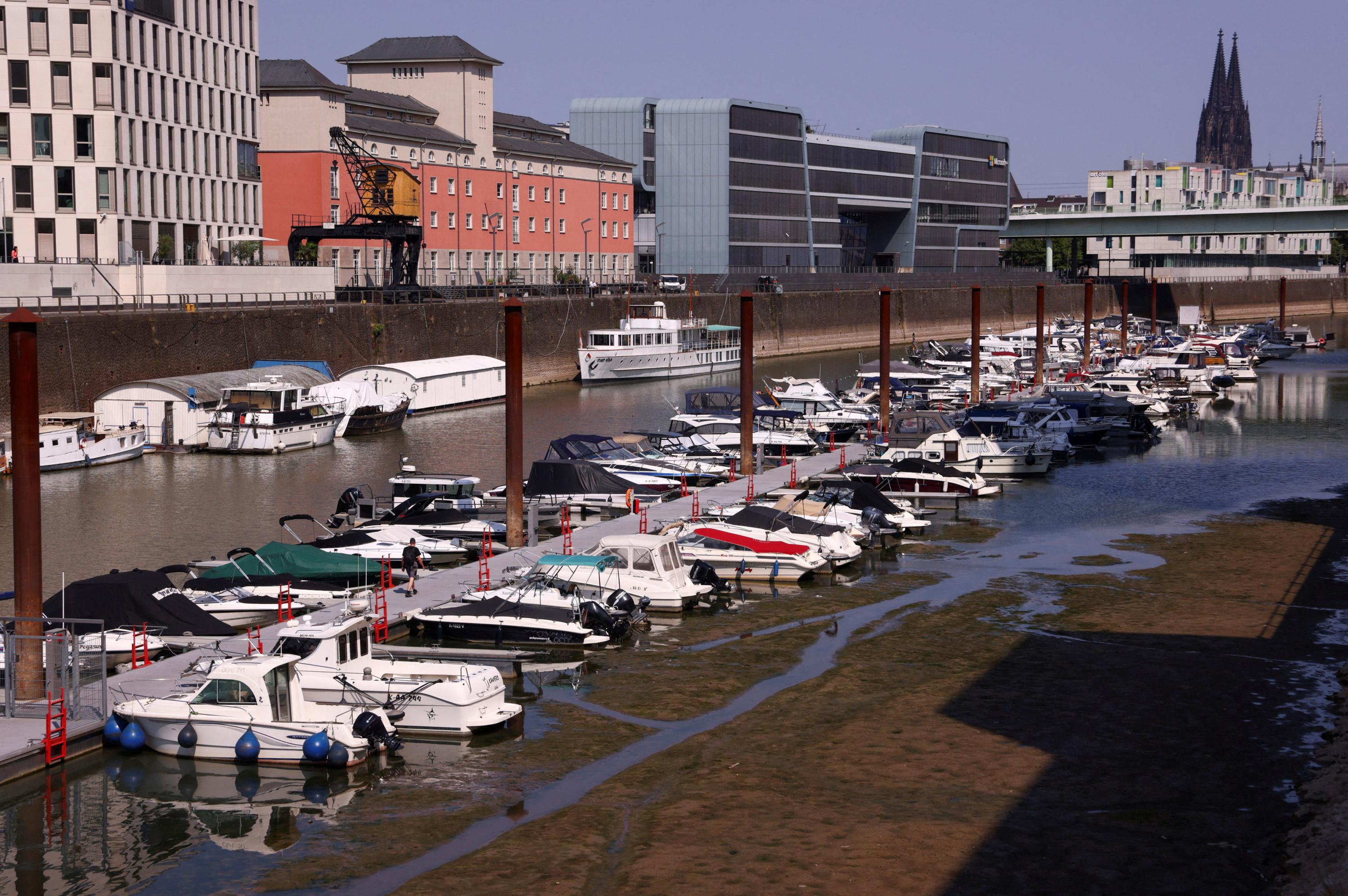
The Rhine River has reached its lowest historical water level, posing a significant threat to key sectors of Germany's economy. Industries such as chemicals and steel production are particularly vulnerable, as they rely heavily on the river for transporting large volumes of goods. This critical waterway serves as a vital artery for the European Union's largest economy. The reduced water levels impede barge traffic, increasing transportation costs and potentially disrupting supply chains. This situation highlights the fragility of industrial infrastructure dependent on natural resources susceptible to climate change. The long-term implications for German and European industrial output are a growing concern.
The historic low water levels of the Rhine River underscore the systemic risks posed by climate change to essential industrial infrastructure. The dependence of major European industries on navigable waterways, particularly for bulk commodity transport, creates significant economic vulnerabilities when environmental conditions fluctuate. This event necessitates a strategic re-evaluation of supply chain resilience, potentially through diversification of transport methods or investment in adaptive infrastructure. Future economic planning must integrate climate-risk assessments more robustly to mitigate the impact of such environmental stressors on industrial output and economic stability.
AI-generated to prompt reflection — not editorial opinion, not advice, not a statement of fact. How this works.