Rhine River Levels Continue to Fall After Reaching Historic Lows
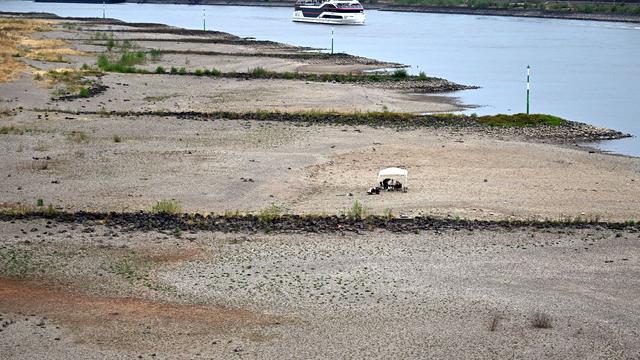
Water levels on the Rhine River are continuing to drop, even after reaching historic lows. This ongoing decline poses significant challenges for shipping and other industries that rely on the river. The Rhine is a crucial waterway for Germany and much of Europe, facilitating the transport of goods and raw materials. Low water levels can lead to reduced cargo capacity, increased transit times, and higher operational costs for shipping companies. This situation also impacts industrial production and energy generation, as many facilities use river water for cooling and other processes. The continued decrease in water levels suggests that drought conditions or reduced precipitation are persisting in the Rhine's catchment area. Authorities are monitoring the situation closely, but options for intervention are limited when natural conditions are the primary driver. The long-term implications for the region's economy and environment are a growing concern.
The persistent decline in Rhine River water levels, following historic lows, highlights the vulnerability of critical European infrastructure to climate-induced hydrological shifts. This situation underscores the systemic risks associated with over-reliance on natural waterways for economic activity, particularly in an era of increasing climate volatility. The economic consequences, including disrupted supply chains and increased transportation costs, necessitate a strategic re-evaluation of logistical dependencies. Future planning must incorporate more resilient infrastructure and diversified transport networks to mitigate the impact of such environmental stressors. The event serves as a stark reminder of the interconnectedness between environmental health, industrial capacity, and economic stability, prompting consideration of long-term adaptation strategies.
AI-generated to prompt reflection — not editorial opinion, not advice, not a statement of fact. How this works.
