Rhine River's Kaub Gauge Hits Record Low
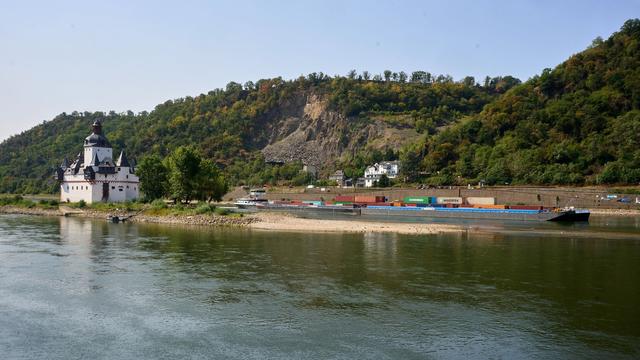
The water level at the Kaub gauge on the Rhine River has reached its lowest point of the year. This critical measurement reflects the severe drought conditions impacting major European waterways. The Rhine is a vital shipping route, and low water levels significantly disrupt commercial transport. Barges are forced to carry less cargo, increasing costs and potentially leading to supply chain issues. This situation highlights the growing vulnerability of essential infrastructure to climate change and extreme weather events. The low water levels at Kaub are a stark indicator of the broader environmental challenges facing the region. The economic consequences of these low water levels are substantial, affecting industries reliant on river transport. Authorities are monitoring the situation closely, but options for immediate relief are limited. The long-term implications for European trade and environmental policy are significant.
The record low water levels at the Kaub gauge on the Rhine River underscore the increasing frequency and intensity of extreme weather events driven by climate change. This situation presents a systemic challenge to European logistics and trade, as the Rhine is a critical artery for moving goods. The economic impact is substantial, forcing shipping companies to reduce cargo loads, thereby increasing per-unit transportation costs and potentially creating bottlenecks in supply chains. This event highlights the need for adaptive infrastructure and revised logistical strategies to mitigate future disruptions. Furthermore, it raises questions about long-term water management policies and the resilience of energy production, as low river levels can also affect cooling for power plants. The situation demands a forward-looking approach that integrates climate resilience into economic planning and infrastructure development over the next decade.
AI-generated to prompt reflection — not editorial opinion, not advice, not a statement of fact. How this works.