Rhine River Weir at Driel Fully Opened Due to Critically Low Water Levels
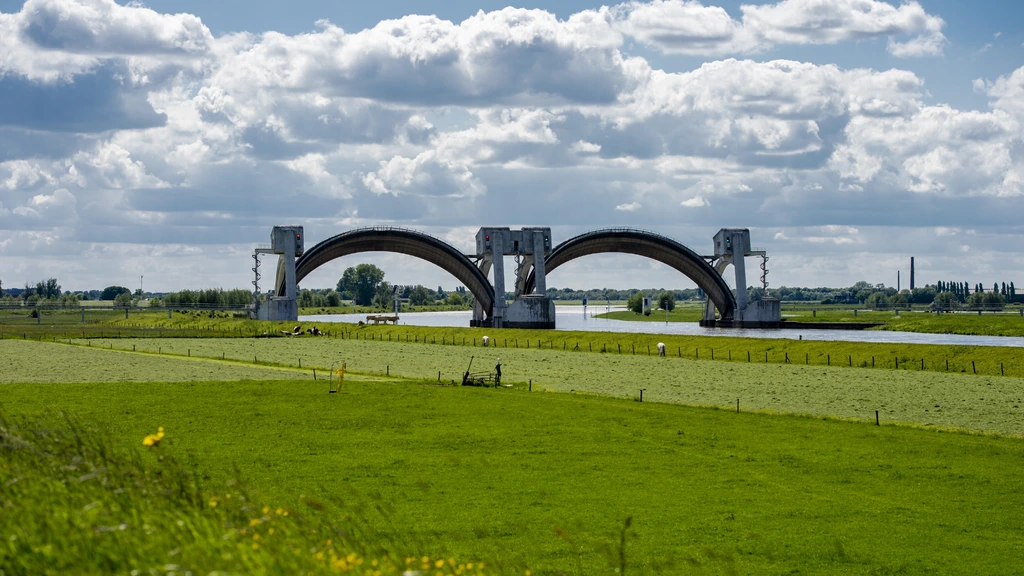
Rijkswaterstaat, the Dutch Directorate-General for Public Works and Water Management, has fully opened the weir in the Nederrijn River near Driel. This measure is unprecedented, as the weir is typically opened during high water levels to facilitate faster drainage to the sea. For the first time, the Driel weir has been completely opened due to critically low water levels. The lack of water supply from Germany has resulted in nearly equal water levels before and after the weir, rendering its regulatory function ineffective, according to Rijkswaterstaat. Consequently, the weir at Amerongen has assumed the regulatory role. Normally, the weirs at Driel, Amerongen, and Hagestein manage the flow of the Rhine, preventing excessively rapid drainage to the sea. This regulation ensures sufficient freshwater availability for the northern part of the Netherlands and maintains adequate water levels for shipping on the Nederrijn, Lek, and IJssel rivers. The Driel weir also plays a crucial role in supplying freshwater to the IJsselmeer. Rijkswaterstaat has stated that shipping operations will not be directly impacted, although vessels must remain aware of potentially reduced depths and possible cargo restrictions.
The full opening of the Driel weir due to low water levels highlights the systemic vulnerability of European freshwater management to climate-induced hydrological shifts. This event underscores the tension between maintaining navigation channels and ensuring ecological freshwater reserves, particularly for agriculture and domestic supply. The reliance on upstream water sources, like the Rhine, demonstrates the interconnectedness of national water management strategies and the potential for transboundary disputes or cooperation challenges during prolonged droughts. The shift in regulatory function to the Amerongen weir indicates adaptive measures, but the long-term sustainability of such interventions in the face of increasingly frequent extreme weather events warrants strategic foresight. Future water management frameworks may need to prioritize flexible infrastructure, diversified water sources, and potentially revised navigation protocols to balance competing demands under a changing climate.
AI-generated to prompt reflection — not editorial opinion, not advice, not a statement of fact. How this works.
