Rhineland-Palatinate State Chancellery Features a Unique Wine Cellar
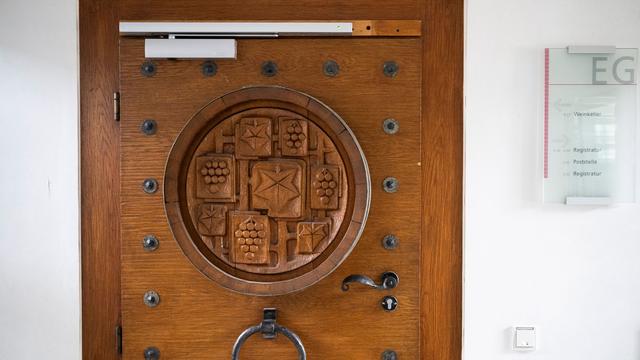
The State Chancellery of Rhineland-Palatinate, located in Mainz, Germany, houses a distinctive wine cellar. This cellar is not merely a storage space but a reflection of the region's deep-rooted wine culture and history. Rhineland-Palatinate is one of Germany's most renowned wine-producing regions, famous for its Riesling and other varietals. The presence of a dedicated wine cellar within the seat of state government underscores the importance placed on viticulture and its economic and cultural significance to the state. The cellar likely serves various purposes, including hosting official events, showcasing regional wines, and preserving a collection that represents the diversity of Rhineland-Palatinate's vineyards. This unique feature highlights the state's commitment to its identity, which is intrinsically linked to its winemaking heritage. The cellar is a tangible representation of the region's pride in its agricultural traditions and its contribution to the German wine landscape.
The integration of a wine cellar within the Rhineland-Palatinate State Chancellery signifies a deliberate alignment between state governance and regional economic identity, particularly in the agricultural sector. This showcases a potential model for other regions to leverage cultural heritage as a component of their public image and economic strategy. Such initiatives can foster local pride and support industries vital to regional economies. However, it also raises questions about resource allocation and the extent to which state institutions should directly embody specific commercial sectors. The long-term implications involve balancing symbolic representation with the practical demands of governance and ensuring that such features contribute equitably to the broader economic well-being of the state.
AI-generated to prompt reflection — not editorial opinion, not advice, not a statement of fact. How this works.