Ribeirão Preto Archdiocese Appoints Priest for Exorcism Duties
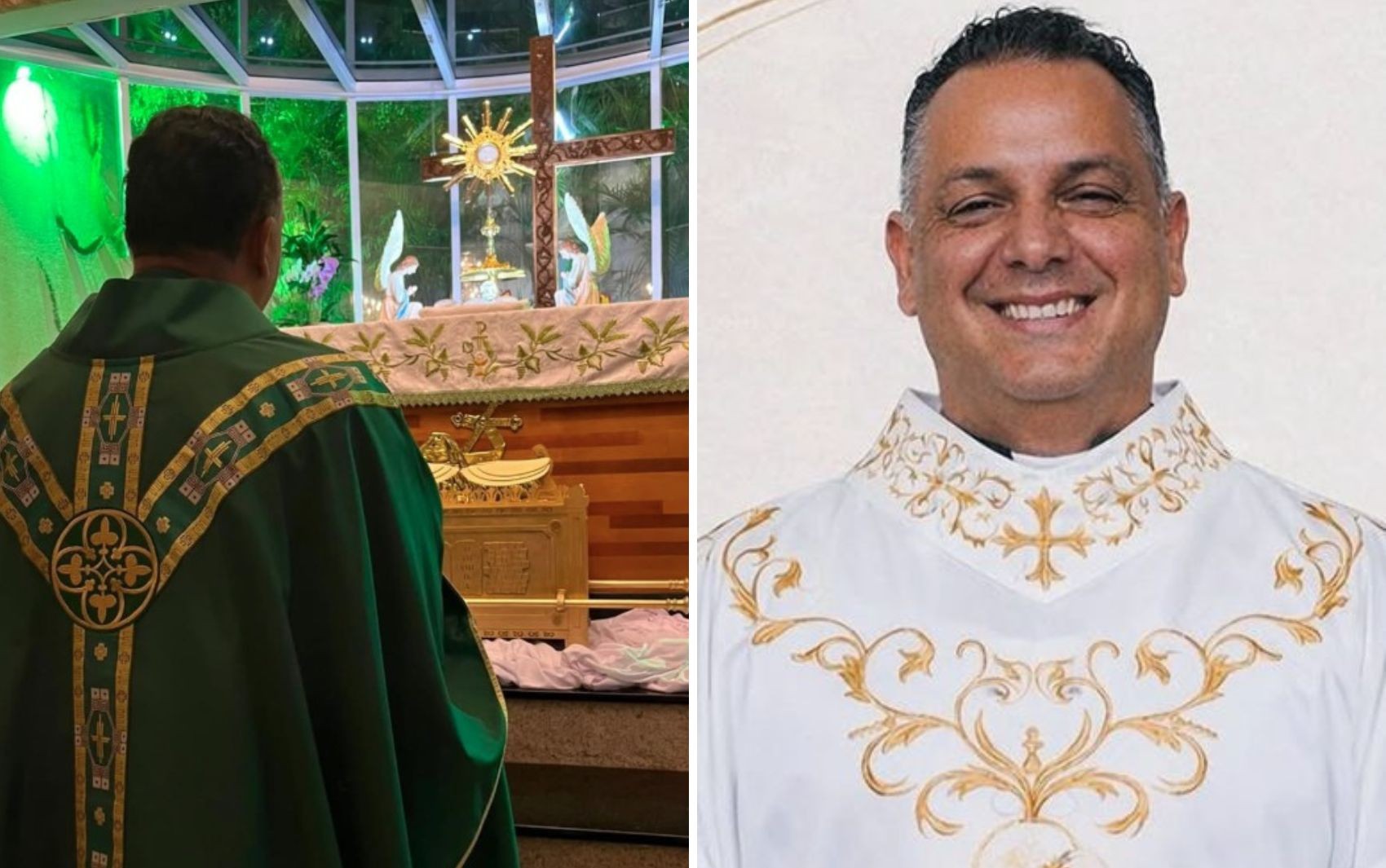
The Metropolitan Archdiocese of Ribeirão Preto, located in São Paulo state, Brazil, has officially appointed Father Kleber Tostes Pedro as its designated exorcist. This appointment, made on Monday, May 20th, marks the first time a priest has been expressly authorized for this specific role within the archdiocese, which serves 20 municipalities in the interior of São Paulo. Father Tostes, 49, who was ordained in 2003, currently leads the Parish of Jesus Misericordioso and Santa Edwiges. The archdiocese emphasized that the exorcism is a liturgical rite recognized by the Catholic Church, intended to free individuals from perceived evil influence through the invocation of Jesus Christ. The practice is governed by strict rules outlined in the Code of Canon Law. The appointed priest must diligently gather medical information to distinguish between psychological conditions and what the Church considers demonic possession. The official document, signed by Metropolitan Archbishop Dom Moacir Silva and Metropolitan Curia Chancellor Father Samuel Matias, grants Father Tostes the unique and express faculty to perform the Greater Rite of Exorcism. This faculty is contingent upon strict adherence to the Holy See-approved Ritual of Exorcism and under the spiritual guidance of the Metropolitan Archbishop. The archdiocese highlighted Father Tostes' preparation, doctrinal knowledge, and prudence for this significant spiritual duty, urging him to exercise it with extreme caution, pastoral charity, and discernment.
The appointment of a designated exorcist by the Archdiocese of Ribeirão Preto reflects a formalization of a spiritual practice within the Catholic Church's framework. This move underscores the institution's ongoing engagement with rites intended to address perceived spiritual afflictions, while also emphasizing the critical need for medical and psychological discernment. The archdiocese's directive to gather medical information highlights a system attempting to reconcile spiritual interpretations with contemporary understanding of mental health, aiming to prevent misapplication of the rite. This process navigates the complex intersection of faith, public health, and the Church's historical role in addressing phenomena that lie beyond purely material explanations, particularly as societal views on mental well-being evolve.
AI-generated to prompt reflection — not editorial opinion, not advice, not a statement of fact. How this works.