Ribeirão Preto Bans Sports Betting Ads in Public and Semi-Public Spaces
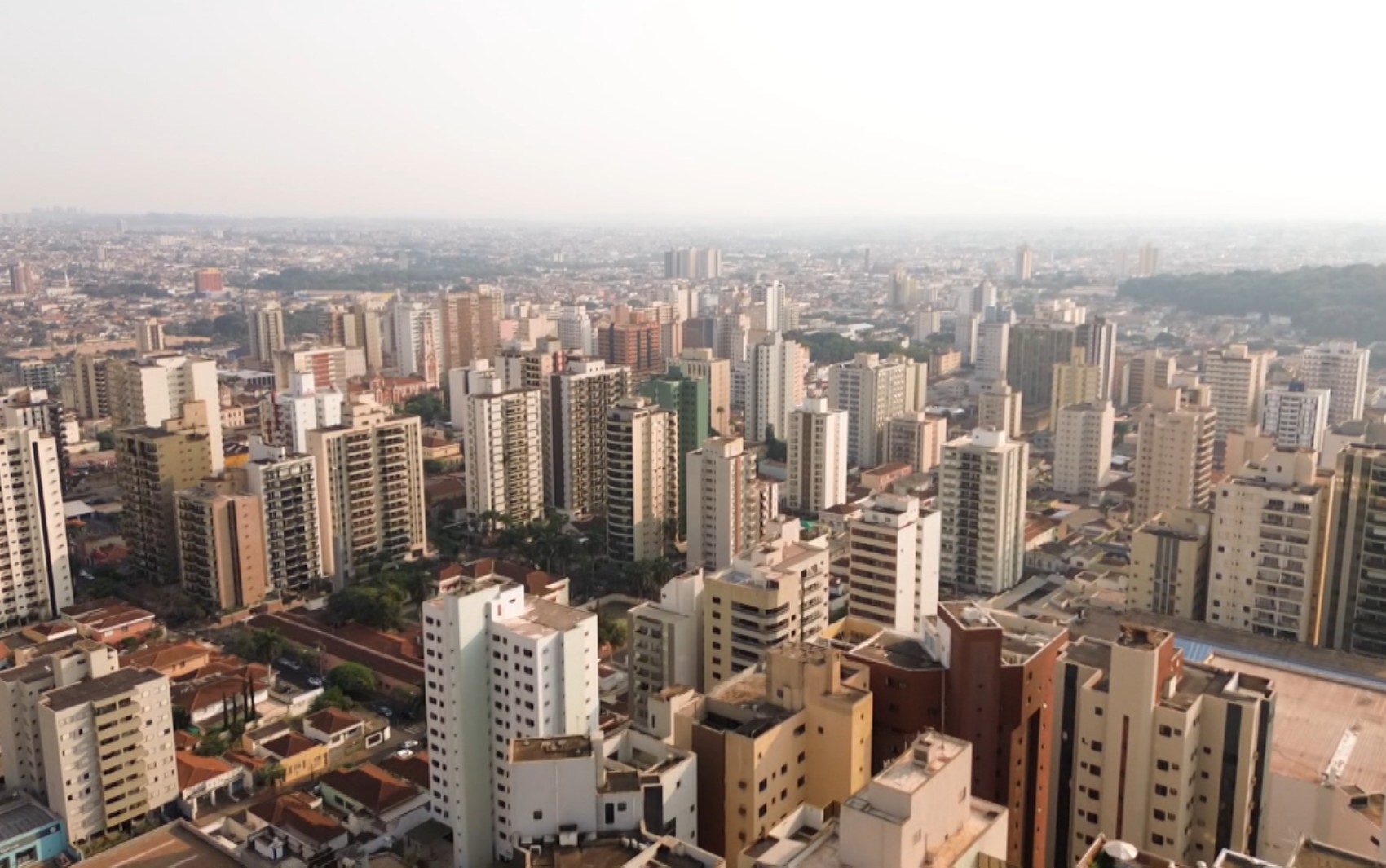
The municipality of Ribeirão Preto, São Paulo, has enacted a decree prohibiting all forms of advertising related to sports betting platforms, commonly known as 'bets.' This ban encompasses both public areas and private locations accessible to the public, such as shopping malls, stadiums, and bars. The city administration asserts its authority to regulate territorial planning and exercise administrative police powers, citing the need to protect the mental health of young people. Mayor Ricardo Silva stated that the administration's absolute priority is the well-being of families, particularly children and adolescents, who are seen as targets of this detrimental overexposure. The decree, identified as municipal decree 140/2026 and published in the Official Gazette, is already in effect. Companies failing to comply must immediately remove all associated advertising materials. The prohibition covers public spaces like streets and squares, as well as collective access private locations including shops, malls, sports arenas, bars, restaurants, hotels, schools, colleges, and hospitals. Additionally, these brands cannot be featured in municipal contracts, concessions, sponsorships, or events. The ban specifically targets brand names, company names, websites, applications, promotions, institutional campaigns, bonuses, logos, slogans, and any visual elements identifying betting platforms. Enforcement and the mandate for advertising removal will be handled by the General Inspection department of the City Hall, with non-compliance subject to sanctions under the Clean City Law.
This municipal decree reflects a growing concern among local governments regarding the pervasive influence of sports betting advertising, particularly on younger demographics. By leveraging its powers over territorial order and administrative oversight, Ribeirão Preto seeks to create a localized buffer against what it perceives as harmful exposure. This action occurs against a backdrop of increasing national regulation, as evidenced by the federal government's recent issuance of new advertising guidelines for betting platforms, including mandatory warnings. The city's move highlights a potential tension between national liberalization trends in the betting industry and local public health imperatives, particularly concerning youth protection. Future developments may involve further scrutiny of advertising's impact on vulnerable populations and the evolving role of municipal versus federal authority in regulating such industries.
AI-generated to prompt reflection — not editorial opinion, not advice, not a statement of fact. How this works.