Ribeirão Preto, Brazil: Rock Music Scene Thrives Amidst Sertanejo Dominance
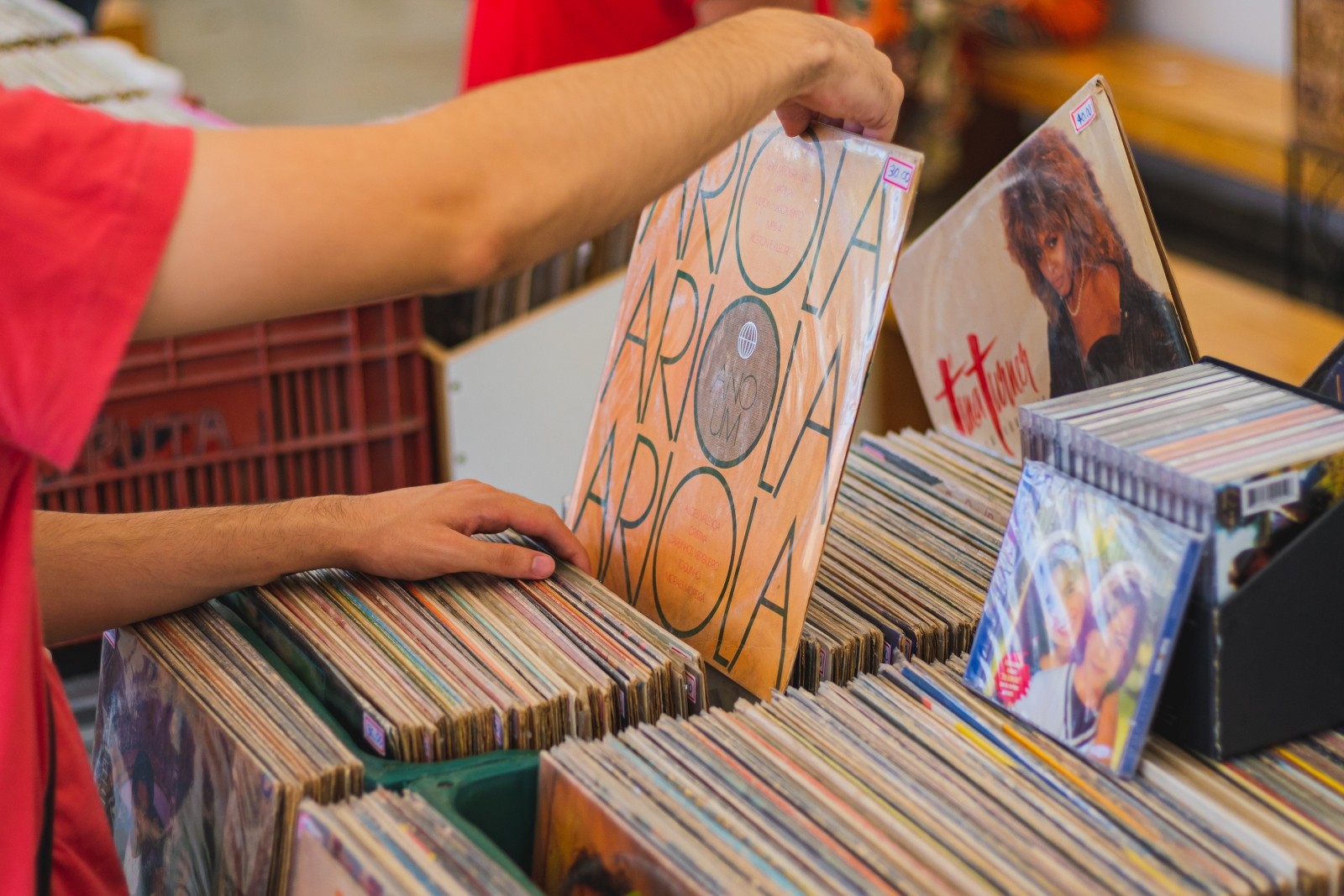
Despite Ribeirão Preto, São Paulo's reputation for agribusiness and the overwhelming popularity of sertanejo music, a vibrant rock scene persists, fueled by passionate musicians and fans. The local music market presents a dichotomy: cover bands playing classic hits frequently perform in bars, while artists focusing on original music face challenges and often seek audiences in the state capital. Music producer Frederico Batista notes that while rock operates independently, it maintains a dedicated fanbase, though venues often prioritize other genres, leading many rock bands to focus on covers for wider appeal. Juliana Prado, a vocalist for two local bands, highlights the dedication required for performing covers of artists like The Beatles and The Ramones, emphasizing the audience's enthusiastic engagement. She believes rock has maintained its space through persistent artists and its inherent energy. In contrast, bands like Igreja do Sexo, which plays gothic-influenced punk, find limited local opportunities for original material, performing most of their shows in São Paulo where original music is more valued. Producer Batista confirms that a lack of local support hinders independent projects, requiring him to source gothic bands from the capital for his own festivals. For most musicians in Ribeirão Preto, rock is a passion pursued alongside other careers, with few able to sustain themselves solely through music. Both Prado and César Malnova, the vocalist of Igreja do Sexo, rely on other professions—real estate and tattooing, respectively—to make a living. This dual-career reality allows musicians like Prado to avoid commercial pressures and maintain artistic integrity. The resurgence of vinyl records is also credited with drawing younger generations into the rock culture, with record fairs and alternative events attracting families. Frederico Batista sees vinyl as a crucial counterpoint to digital streaming, preserving a more substantial engagement with music. The annual João Rock festival, a major national event originating in Ribeirão Preto, plays a significant role in supporting the city's music scene. Festival co-founder Luit Marques views João Rock as a point of resistance that balances the city's musical landscape, celebrating national rock while incorporating diverse rhythms. The festival's impact extends beyond its lineup, inspiring local youth to pursue music and form their own bands.
The persistence of an original rock music scene in Ribeirão Preto, Brazil, despite the dominance of sertanejo and commercial music, highlights a common dynamic in regional cultural hubs. While large-scale festivals like João Rock provide crucial visibility and economic stimulus, the sustainability of independent, non-commercial artistic endeavors often hinges on dual-career musicians and niche audiences. This reliance on external markets, such as São Paulo for original acts, suggests a potential gap in local infrastructure and investment for diverse artistic expressions. The resurgence of vinyl as a cultural touchstone for younger generations points to a broader trend of seeking tangible and curated experiences in an increasingly digital world, potentially offering a new pathway for niche genres to cultivate dedicated followings. Future considerations for Ribeirão Preto's rock scene may involve exploring innovative funding models or collaborative platforms that can better support original artists and foster a more robust local ecosystem beyond festival cycles.
AI-generated to prompt reflection — not editorial opinion, not advice, not a statement of fact. How this works.