Ribeirão Preto Churches Adjust Mass Schedules for Brazil's World Cup Match
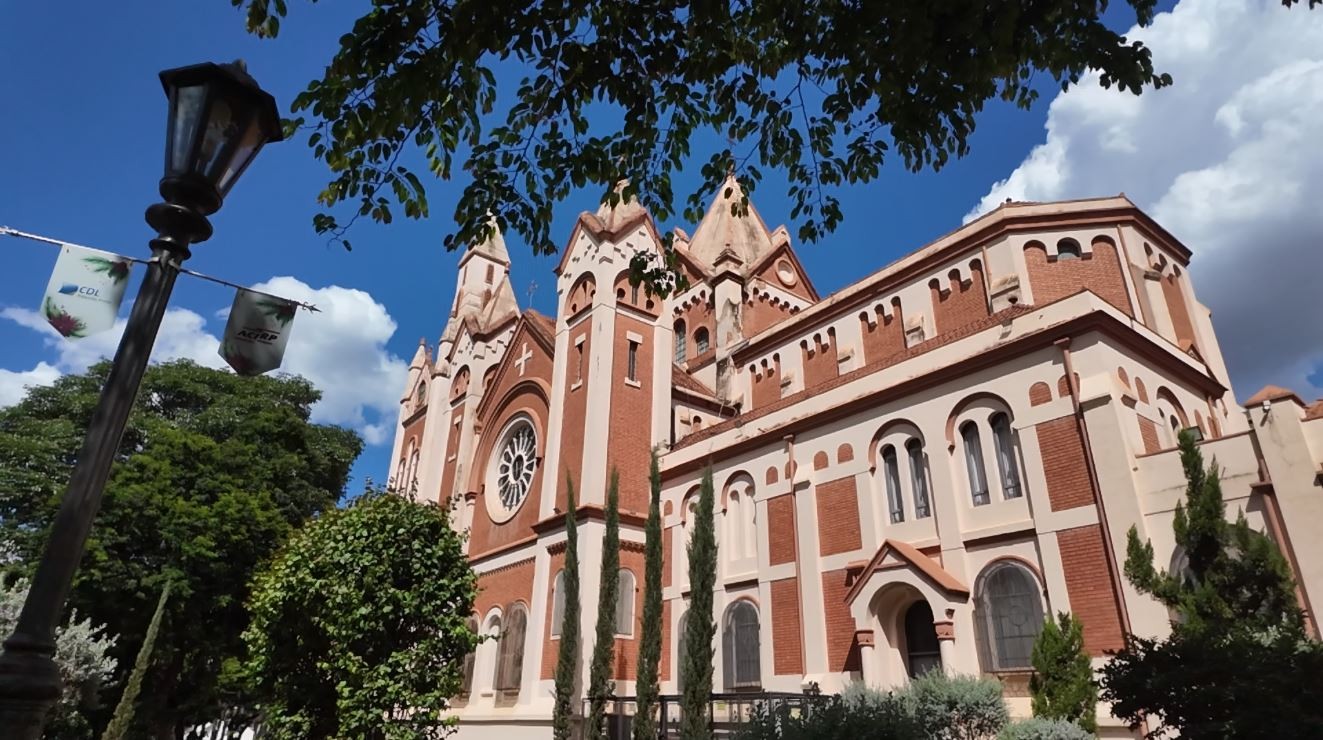
In Ribeirão Preto, São Paulo, several Catholic churches are modifying their Sunday Mass schedules to accommodate the Brazilian national football team's World Cup match against Norway, scheduled for 5 PM. The adjustments aim to allow parishioners to watch the game without compromising their religious obligations. For instance, the Metropolitan Cathedral of São Sebastião in the city center will cancel its 5 PM Mass and postpone its usual 7 PM service to 7:30 PM, while retaining its morning Masses at 9 AM and 11 AM. Father João Marcos da Silva Carvalho, the parish priest, emphasized that these changes are intended to ensure no one feels excluded from their faith while supporting the national team. He stated that while the Eucharist is paramount, the church seeks to balance spiritual needs with community engagement and national pride. Other parishes, such as Jesus Misericordioso e Santa Edwiges, Matriz Santa Teresinha Doutora, and Sagrado Coração de Jesus, are also canceling or rescheduling their late afternoon and evening Masses. The goal is to enable the community to experience this significant national event together, fostering family unity and a sense of shared excitement, while keeping God as the primary focus. These adaptations reflect a desire to integrate spiritual life with cultural moments, allowing for both devotion and national celebration.
This event highlights the dynamic interplay between religious institutions and cultural phenomena, particularly national sporting events. Churches are adapting their schedules to reflect the community's strong emotional investment in the national football team's performance. This strategic flexibility demonstrates an understanding of social dynamics and a desire to maintain relevance and engagement with parishioners. Such adjustments can be viewed as a pragmatic approach to community outreach, acknowledging that shared cultural experiences can serve as a bridge for spiritual participation. The decision to modify schedules, rather than simply cancel services, suggests an effort to integrate faith with broader societal interests, potentially fostering a sense of unity and shared identity among worshippers. This approach also presents a model for other institutions navigating the evolving landscape of public attention and engagement in an increasingly secularized world.
AI-generated to prompt reflection — not editorial opinion, not advice, not a statement of fact. How this works.