Ribeirão Preto City Council Halts R$4.7 Million Construction Project Over Contractual Issues
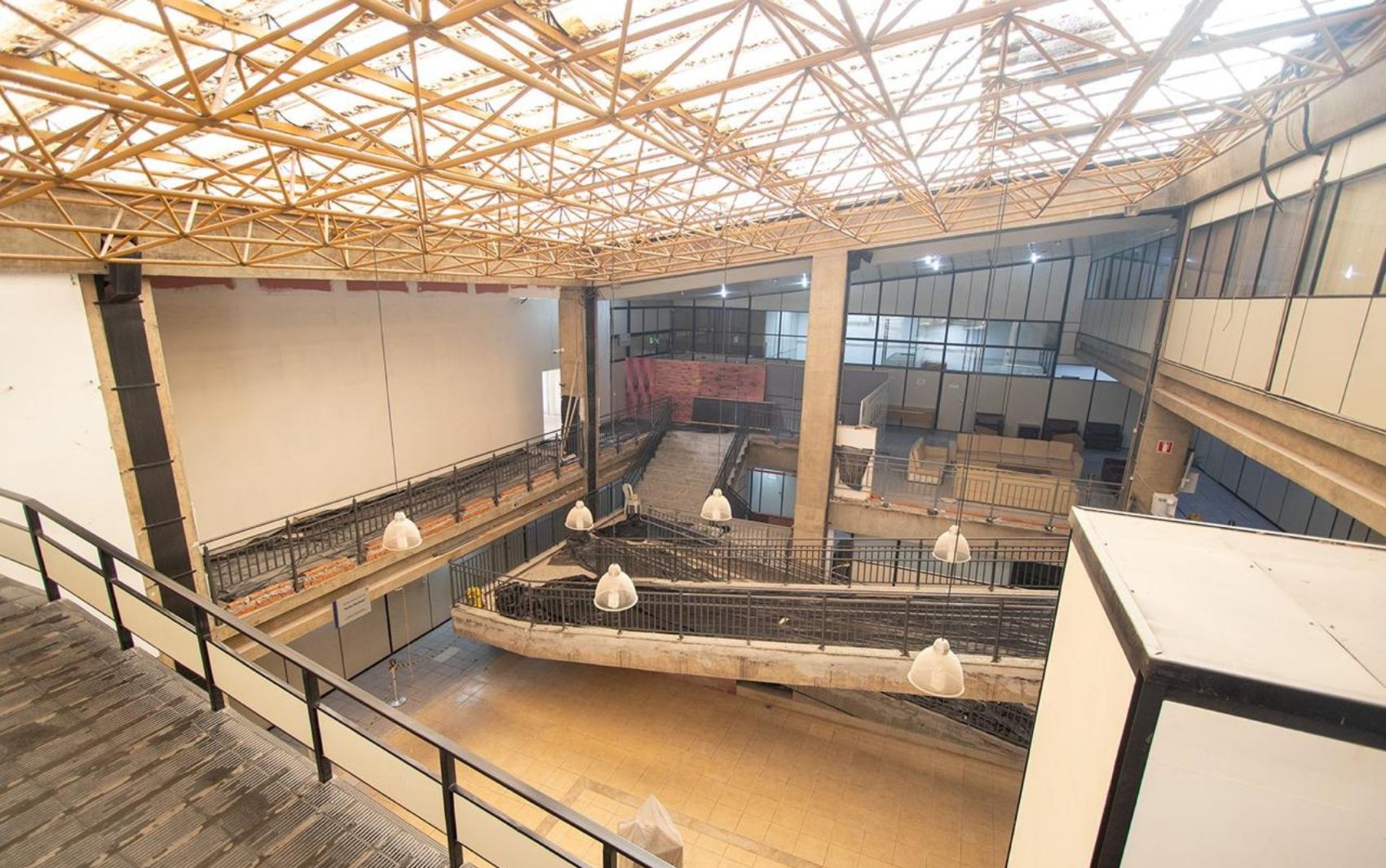
The Ribeirão Preto City Council in São Paulo has suspended a R$4.7 million construction project involving the renovation and adaptation of its plenary halls. This precautionary measure, effective since July 16th, was initiated after an administrative review by the legislative body identified delays and problems in the contract's execution. The construction company, Arcon Construtora, has been formally notified and given five days to respond. Arcon Construtora stated that it has submitted its response to the Council, aiming to resume the construction work and asserting that the project's progress should be evaluated based on all submitted measurements and technical documents. The project, which began in December of the previous year with an eight-month deadline, aims to modernize the plenary halls, unchanged since the building's 1991 inauguration. Planned improvements include enhanced accessibility, updated electrical systems, fire-retardant materials replacing carpets, expanded areas for parliamentarians, better acoustics and climate control, a new voting system, additional emergency exits, and a second plenary hall. During the construction, council members have been conducting virtual sessions. The Council cited repeated delays, failure to adhere to the physical-financial schedule (currently at 15% completion), unresolved executive project issues, non-conformities in services rendered, and workplace safety incidents as reasons for the suspension. Consequently, Arcon Construtora is only permitted to undertake essential activities for site safety, public asset preservation, and accident prevention. The administrative process will continue to determine responsibilities, potential fines, and other sanctions, including possible contract termination.
The suspension of the R$4.7 million construction project by the Ribeirão Preto City Council highlights a critical juncture in public contract management. The identified issues—delays, schedule deviations, and project execution problems—underscore the importance of robust oversight mechanisms in ensuring public funds are utilized efficiently and effectively. From a systems perspective, the situation points to potential deficiencies in initial project scoping, contractor vetting, or ongoing performance monitoring. The Council's administrative process aims to establish accountability, but the underlying challenge for public bodies lies in balancing project timelines with quality assurance and fiscal responsibility. Moving forward, enhanced contractual frameworks, clearer performance metrics, and more proactive risk management strategies could mitigate such occurrences, ensuring that infrastructure development aligns with public interest and taxpayer expectations in the long term.
AI-generated to prompt reflection — not editorial opinion, not advice, not a statement of fact. How this works.