Ribeirão Preto City Council Terminates R$4.7 Million Contract for Plenary Hall Renovations
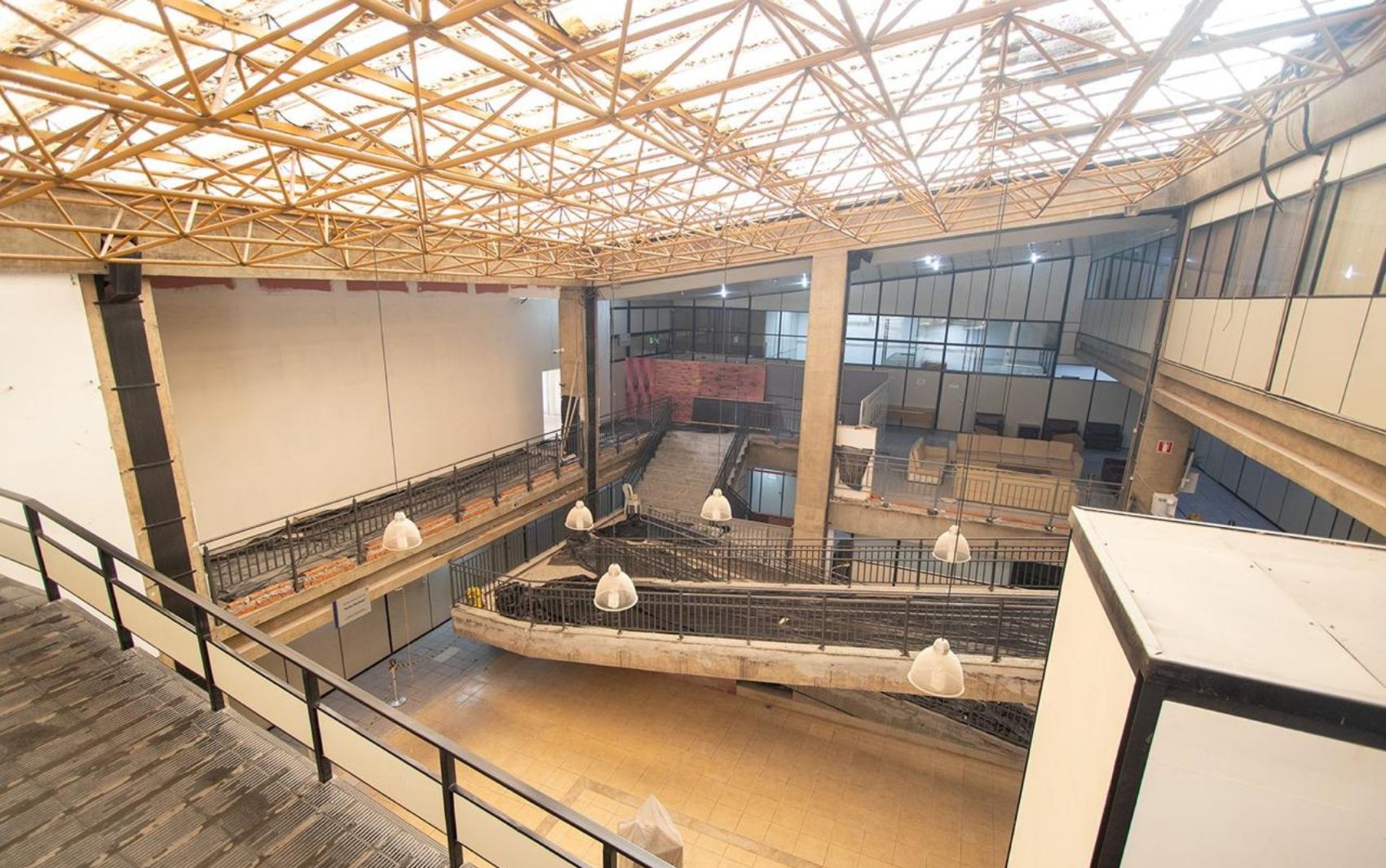
The Ribeirão Preto City Council in São Paulo, Brazil, has unilaterally terminated a R$4.7 million contract with a company responsible for renovating its plenary halls. The decision, made on Friday, October 31st, followed technical reports and legal opinions that identified delays and issues in the project's execution. The work had already been under a precautionary suspension since July 16th.
The contract, initiated on December 2nd of the previous year with an eight-month completion timeline, aimed to modernize the plenary halls, which had not been updated since the building's inauguration in 1991. The project's conclusion was originally scheduled for October 2nd. The renovations included accessibility improvements, electrical system upgrades, fire-retardant materials, expanded parliamentary areas, enhanced acoustics and climate control, a new voting system, additional emergency exits, and the creation of a second plenary hall.
According to the City Council, the termination was based on a significant delay in the physical-financial schedule, with physical execution only reaching between 15% and 20.73%. Other cited reasons include pending executive project details, non-compliant services, and workplace safety irregularities. The council stated it will take necessary steps to assess executed services, protect public assets, and determine how to proceed with the renovation. Any fines or sanctions against the construction company will be addressed in a separate administrative process, ensuring due process.
The termination of this contract highlights common challenges in public infrastructure projects, particularly concerning adherence to timelines and quality standards. The council's action, supported by technical and legal assessments, indicates a commitment to fiscal responsibility and public accountability. Moving forward, the process of selecting a new contractor and resuming the renovations will be critical. This situation underscores the importance of robust contract oversight, clear performance metrics, and effective risk management in public works to ensure taxpayer funds are utilized efficiently and project goals are met within reasonable parameters, especially in the context of evolving civic space needs and technological integration.
AI-generated to prompt reflection — not editorial opinion, not advice, not a statement of fact. How this works.