Ribeirão Preto Declares State of Emergency After Devastating Storm
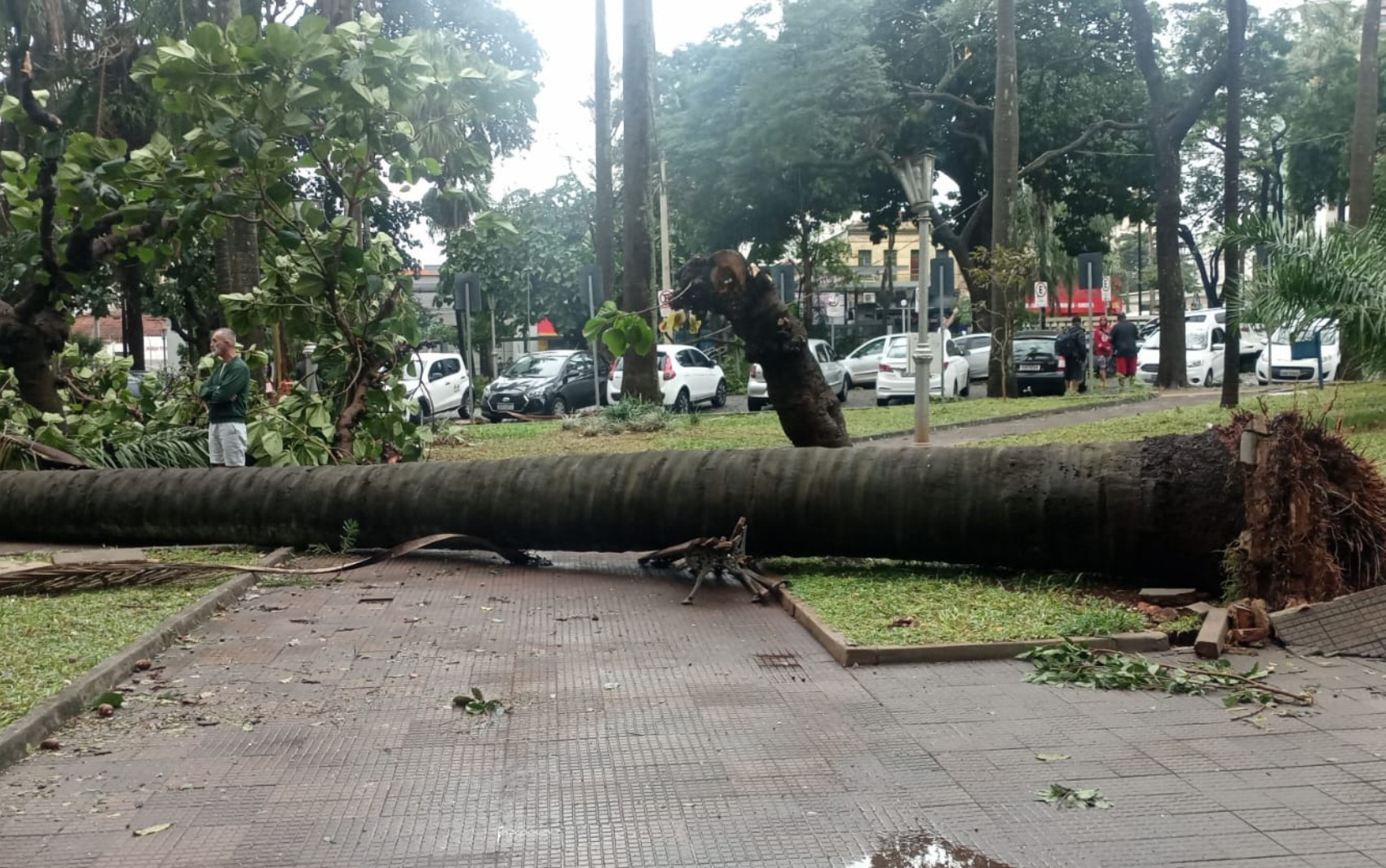
Ribeirão Preto, São Paulo, has declared a state of emergency following a severe storm that caused widespread destruction in the city. Mayor Ricardo Silva signed the decree on Friday, February 24th, which will remain in effect for 180 days. A crisis cabinet has been established to manage the response to the numerous incidents. The storm, characterized by approximately 30 minutes of intense rain and wind gusts estimated at 70 km/h, caused significant damage. State Civil Defense teams are en route to assist, and humanitarian aid is expected. Tragically, an 82-year-old man died after his home was struck by a neighboring shed during the storm. The Municipal Civil Defense reported around 250 instances of fallen trees, fortunately without further casualties. Three of CPFL's fourteen substations in the city are offline due to transmission line failures, with no estimated restoration time. CPFL plans to deploy generators to healthcare and water supply facilities to mitigate service disruptions. While emergency phone lines are operational, cellular service remains unstable. The city has suspended its blue zone parking regulations, and a vaccination campaign scheduled for Saturday, February 25th, has been postponed, with a new date to be announced. The mayor's office will submit a comprehensive report to state and federal governments within ten days.
The severe storm in Ribeirão Preto highlights the increasing vulnerability of urban infrastructure to extreme weather events, a trend likely to be exacerbated by climate change. The declaration of a state of emergency and the establishment of a crisis cabinet are necessary immediate responses, but they underscore the need for long-term resilience planning. The disruption to critical services like power and water, even with mitigation efforts, points to systemic weaknesses in infrastructure maintenance and redundancy. Future investments should prioritize climate-resilient design and decentralized utility systems to better withstand such shocks, ensuring public safety and economic continuity in the face of escalating environmental challenges.
AI-generated to prompt reflection — not editorial opinion, not advice, not a statement of fact. How this works.