Ribeirão Preto Energy Restoration Progresses After Severe Storm
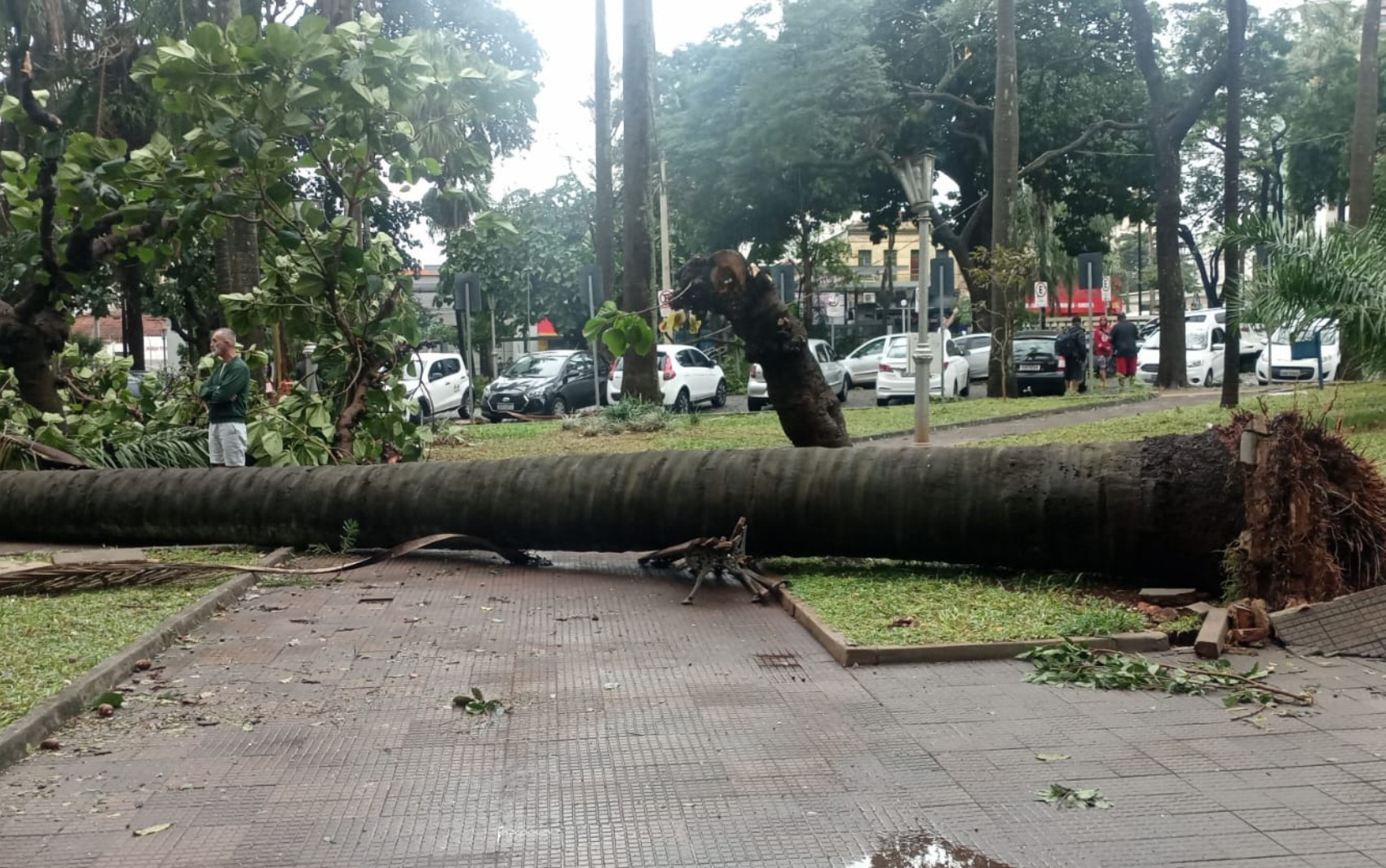
Twelve hours after a destructive storm hit Ribeirão Preto, São Paulo, 60% of the city's energy supply had been restored. CPFL President Rafael Lazzaretti confirmed this during a press conference, noting that 40% of the municipality remained without power. Critical facilities, including the Hospital das Clínicas (HC) and Santa Casa, had their power prioritized and restored. The storm caused significant damage, with at least 34 high-voltage transmission towers and an estimated 200 lighting posts destroyed and requiring reconstruction. While all substations are now energized, the focus shifts to replacing individual posts. CPFL reported that over 210,000 customers in Ribeirão Preto have had their power reconnected, with 152,000 still in the process of restoration. Wind speeds during the storm reached 122 km/h in Pradópolis and 70 km/h in Ribeirão Preto, affecting power in eight other municipalities as well. Restoration efforts are prioritized for critical services like hospitals and water supply. Customers without power are advised to contact CPFL via digital channels, the app, or WhatsApp, and to avoid touching downed wires or debris near the electrical grid. The storm, which lasted about 30 minutes, also caused flooding and resulted in one fatality, a 75-year-old man whose home was struck by a collapsing structure. The city's mayor declared a state of emergency.
The severe storm in Ribeirão Preto highlights the vulnerability of urban infrastructure to extreme weather events, exacerbated by climate change. The rapid restoration efforts, while commendable, underscore the need for proactive investment in grid resilience and modernization. CPFL's prioritization of essential services demonstrates a sound crisis management strategy, but the extensive damage to transmission towers and posts points to potential systemic weaknesses in infrastructure hardening against high winds. Future planning should consider more robust designs and distributed energy resources to mitigate widespread outages and ensure continuity of critical services, especially as such events are projected to increase in frequency and intensity.
AI-generated to prompt reflection — not editorial opinion, not advice, not a statement of fact. How this works.