Ribeirão Preto estimates $21.1 million cost for storm cleanup and tree removal
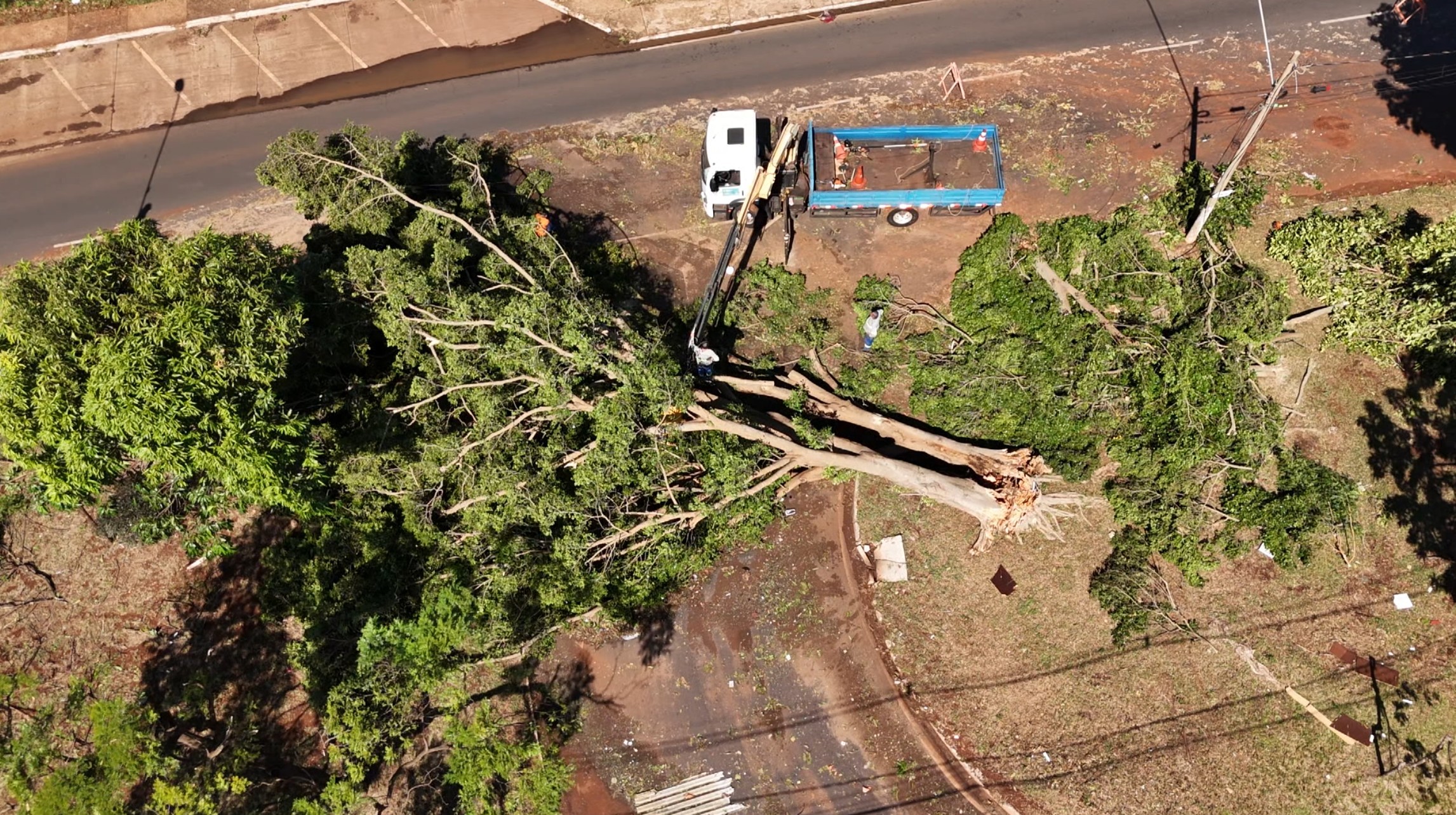
Ribeirão Preto, São Paulo, is facing an estimated cost of R$ 21.1 million for essential cleanup and tree removal operations following a severe storm. The tempest, which brought winds exceeding 120 km/h, caused widespread devastation across several municipalities in São Paulo's interior last weekend. The city's mayor, Ricardo Silva (PSD), signed an official document on Monday, February 27th, to request the federal government's recognition of a state of emergency. Mayor Silva stated that restoring the city's order and cleanliness will significantly strain the municipal budget, necessitating an urgent request for emergency funds. The estimated expenses are broken down into several categories, including R$ 4.39 million for emergency cleaning and waste collection, R$ 8.39 million for manual and mechanized washing of streets and public areas, and R$ 1.22 million for removing and transporting illegally dumped waste. Additionally, R$ 4.53 million is allocated for collecting green waste, R$ 185,496 for cutting down fallen trees, and R$ 365,984 for removing tree stumps. Further costs include R$ 875,910 for extracting or cutting tree trunks and R$ 96,822.60 for tree extraction by climbing. Routine maintenance, such as formation, conduction, or maintenance pruning, is estimated at R$ 897,520, with R$ 195,984.50 for canopy reduction pruning. Beyond these immediate cleanup costs, the municipality is also calculating the need for additional resources for housing support for 500 displaced families and for restoring critical energy infrastructure, including the replacement of poles, wires, and high-voltage towers.
The severe storm's impact on Ribeirão Preto highlights the vulnerability of urban infrastructure to extreme weather events, exacerbated by climate change. The substantial cleanup costs underscore the significant financial burden placed on municipalities, particularly when unexpected disasters deplete already constrained budgets. This situation necessitates a proactive approach to disaster preparedness and resilient infrastructure development. While emergency funding is crucial for immediate recovery, long-term strategies should focus on enhancing urban tree management, improving drainage systems, and strengthening power grids to mitigate future damage. Evaluating the city's urban planning and green space management in light of these events can inform policies aimed at building greater resilience against increasingly frequent and intense weather phenomena.
AI-generated to prompt reflection — not editorial opinion, not advice, not a statement of fact. How this works.