Ribeirão Preto Hit by Severe Storm, Causing Damage and One Fatality
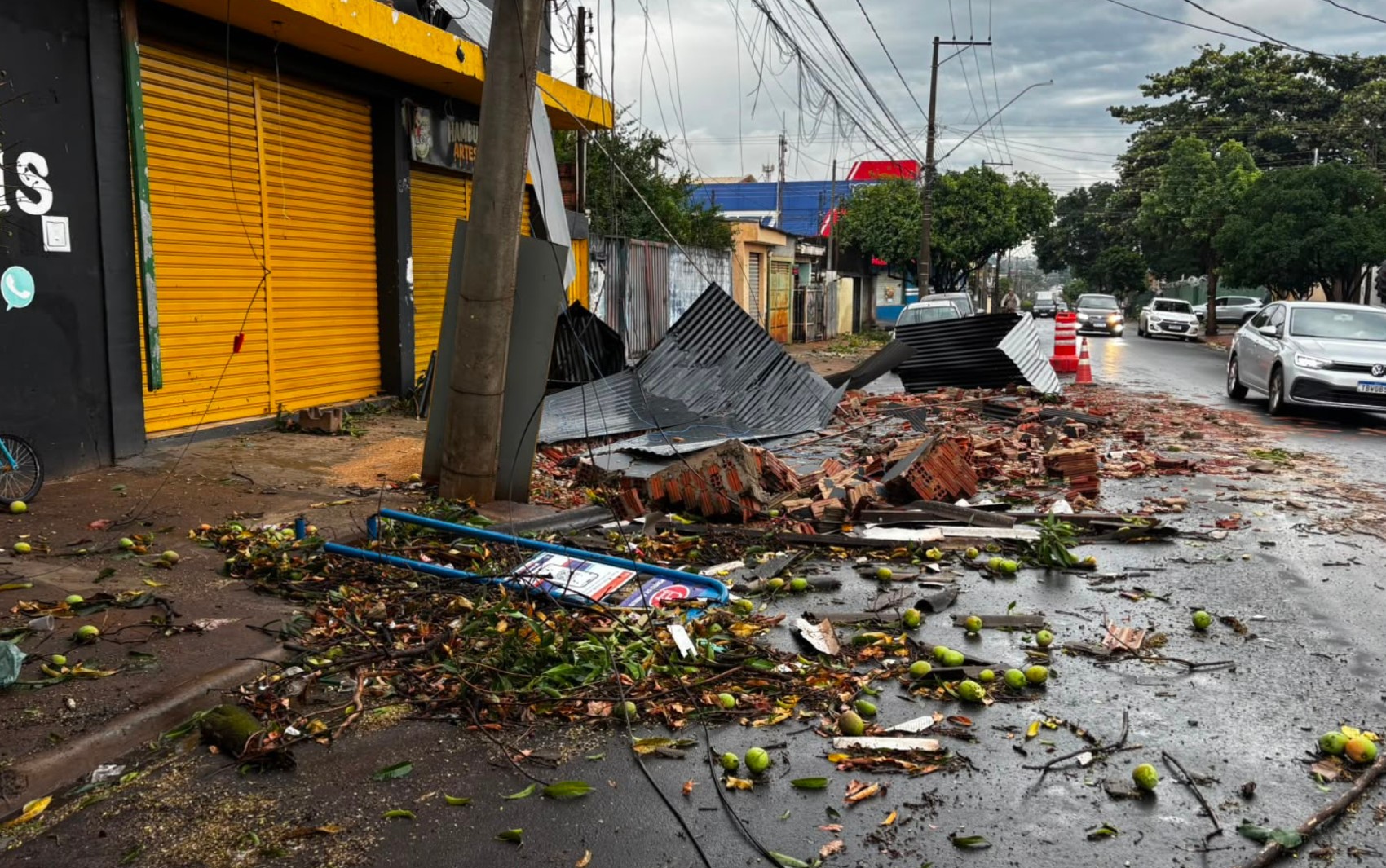
A powerful storm struck Ribeirão Preto, São Paulo, in the early hours of Friday, May 24th, leaving a trail of destruction. Meteorologists attribute the severe weather to a cold front interacting with very warm air over the region. While the exact nature of the storm is still under evaluation by Climatempo, including possibilities like a microburst or tornado, it has been confirmed not to be related to El Niño. El Niño's effects are expected to be felt more significantly in São Paulo during the spring. The storm brought intense rainfall and strong winds, with gusts reaching up to 122 km/h in Pradópolis and 70 km/h recorded in Ribeirão Preto, though local damage suggests higher gusts in some areas. Tragically, an 82-year-old man died when his house was crushed by a collapsing neighboring structure. The storm also caused widespread power outages, disruptions to telephone and internet services across Ribeirão Preto and surrounding areas. In response, Mayor Ricardo Silva declared a 180-day state of emergency and established a crisis cabinet. State Civil Defense teams are en route to assist, and humanitarian aid will be provided. The emergency decree authorizes the mobilization of all municipal bodies, the recruitment of volunteers, and public fundraising efforts. It also grants authorities the power to enter private properties for rescue operations or evacuations and to expedite the acquisition of goods and services for disaster relief without competitive bidding, provided they are completed within one year.
The severe storm in Ribeirão Preto highlights the increasing vulnerability of urban areas to extreme weather events, exacerbated by atmospheric conditions favorable for intense convective storms. The interaction between a cold front and a pre-existing warm, humid air mass is a known meteorological phenomenon, but the intensity and localized destructive power, potentially indicative of a microburst or tornado, warrant further investigation into the specific atmospheric dynamics at play. The declaration of a state of emergency and the subsequent mobilization of resources underscore the critical need for robust disaster preparedness and response infrastructure. Looking ahead, understanding and predicting such high-impact, localized weather events will become increasingly crucial for urban planning and public safety in a changing climate, emphasizing the importance of advanced meteorological modeling and early warning systems.
AI-generated to prompt reflection — not editorial opinion, not advice, not a statement of fact. How this works.