Ribeirão Preto Hit by Severe Storm: One Dead, Widespread Damage, and SMS Alerts
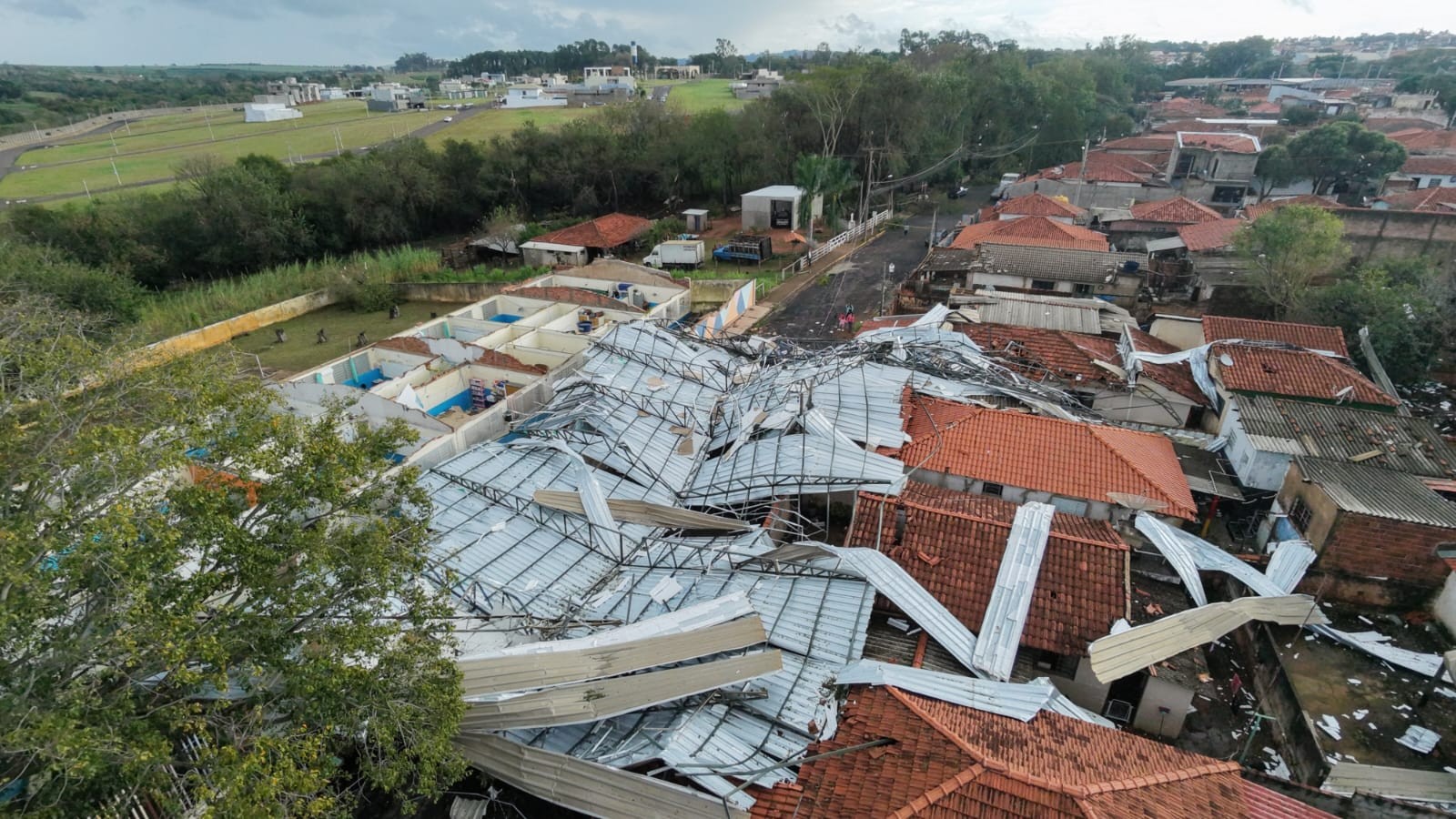
A powerful storm struck the Ribeirão Preto region in São Paulo, Brazil, on Friday, May 24th, causing significant damage and one fatality. The Civil Defense issued an SMS alert at 5:31 AM, warning of heavy rain, lightning, and wind approaching the city and its surroundings. The alert, classified as moderate severity with urgent action required, was valid from 5 AM to 7 AM. The storm resulted in fallen trees, collapsed structures, and damaged roofs in Ribeirão Preto, Guariba, Dumont, Taquaritinga, and Pradópolis. Services such as electricity, telephone, and internet were disrupted across the affected areas. Later that day, at 1:08 PM, a second SMS alert was sent, indicating rain between Catanduva and Ribeirão Preto with continued warnings for caution. This severe weather event followed a low-humidity alert issued less than 24 hours prior, on Thursday, May 23rd, which advised residents to stay hydrated and avoid sun exposure. Meteorologists are currently investigating whether the storm involved a microburst or a tornado, but have ruled out El Niño as a direct cause, attributing the event to a cold front interacting with very hot air. Wind speeds reached 122 km/h in Pradópolis and 70 km/h in Ribeirão Preto. In response to the devastation, the mayor of Ribeirão Preto declared a state of emergency to mobilize municipal resources for disaster response, rehabilitation, and reconstruction efforts, including volunteer recruitment and donation drives.
The event highlights the critical role of timely and effective public warning systems, particularly in regions susceptible to extreme weather. The rapid shift from a low-humidity alert to a severe storm warning underscores the dynamic nature of meteorological conditions and the challenge of predicting sudden, intense weather phenomena. While the Civil Defense utilized SMS alerts, the severity of the damage and loss of life suggest ongoing challenges in disaster preparedness and infrastructure resilience against high-wind events. Future strategies may benefit from exploring multi-channel communication, advanced weather modeling for microbursts or tornadoes, and urban planning that mitigates the impact of extreme winds on critical infrastructure and housing. The declaration of a state of emergency indicates the scale of the impact, necessitating coordinated recovery efforts and a review of building codes and land-use policies to enhance community safety against such events in the long term.
AI-generated to prompt reflection — not editorial opinion, not advice, not a statement of fact. How this works.