Ribeirão Preto Hospital Unit Reopens After Severe Storm Damage
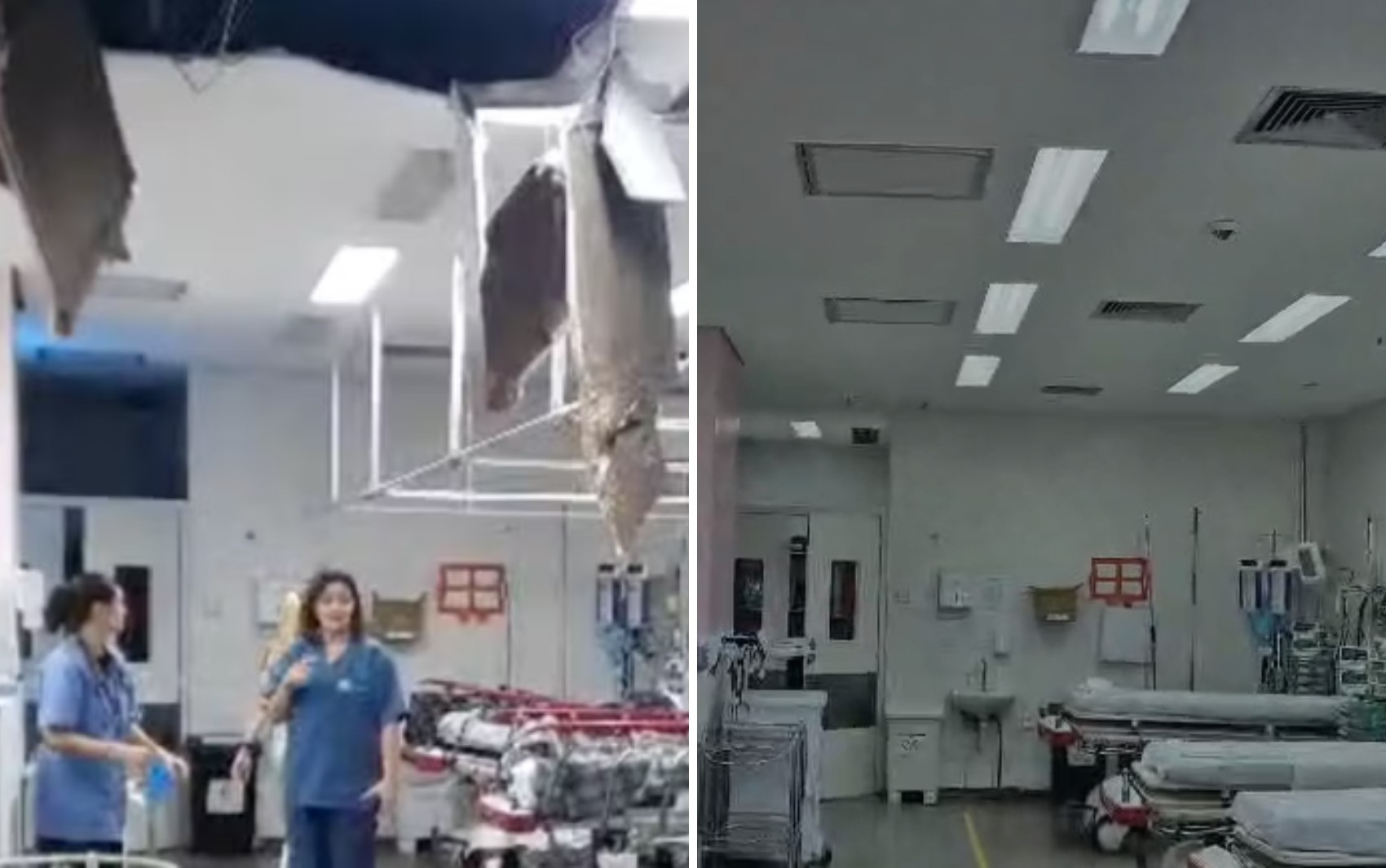
The emergency unit's "red wing" at the Hospital das Clínicas (HC-UE) in Ribeirão Preto, São Paulo, has resumed operations after being closed for 72 hours due to severe storm damage. The tempest, which struck on Friday, May 24th, caused the ceiling to collapse, necessitating the transfer of eight patients. One patient was moved to the HC Campus hospital, three to the State Hospital of Ribeirão Preto, and four remained within the HC-UE in different wards. Ricardo Cavalli, superintendent of the Faculty of Medicine, confirmed on Monday, May 27th, that reconstruction efforts were completed within 72 hours, restoring all outpatient services, surgical centers, and examination facilities. The storm also caused widespread power outages across the region, with CPFL Paulista reporting that most of the 1,169 remaining disconnected customers were concentrated in Guariba. The severe weather, characterized by 70 km/h winds in Ribeirão Preto and up to 120 km/h in Taquaritinga, also led to fallen trees, damaged infrastructure including power lines, and disruptions to water and telephone services. The storm resulted in one fatality in Ribeirão Preto, where a 75-year-old man died after a structure collapsed onto his home. The mayors of Ribeirão Preto, Taquaritinga, and Guariba declared states of emergency due to the extensive damage, which included destructions to schools and businesses, and hail in Guariba.
The swift restoration of the HC-UE's "red wing" within 72 hours highlights the critical importance of emergency healthcare infrastructure resilience. The event underscores the vulnerability of urban systems to extreme weather, exacerbated by climate change, and the cascading effects on essential services like power and communication. The coordinated response involving hospital staff, external companies, and utility providers demonstrates the necessity of robust inter-agency protocols for disaster management. Future planning should prioritize hardening such critical facilities against increasingly frequent and intense weather events, potentially through updated building codes and redundant utility connections, to minimize patient care disruption and ensure public safety.
AI-generated to prompt reflection — not editorial opinion, not advice, not a statement of fact. How this works.