Ribeirão Preto Landfill Receives 592 Truckloads of Tree Debris After 160 km/h Storm
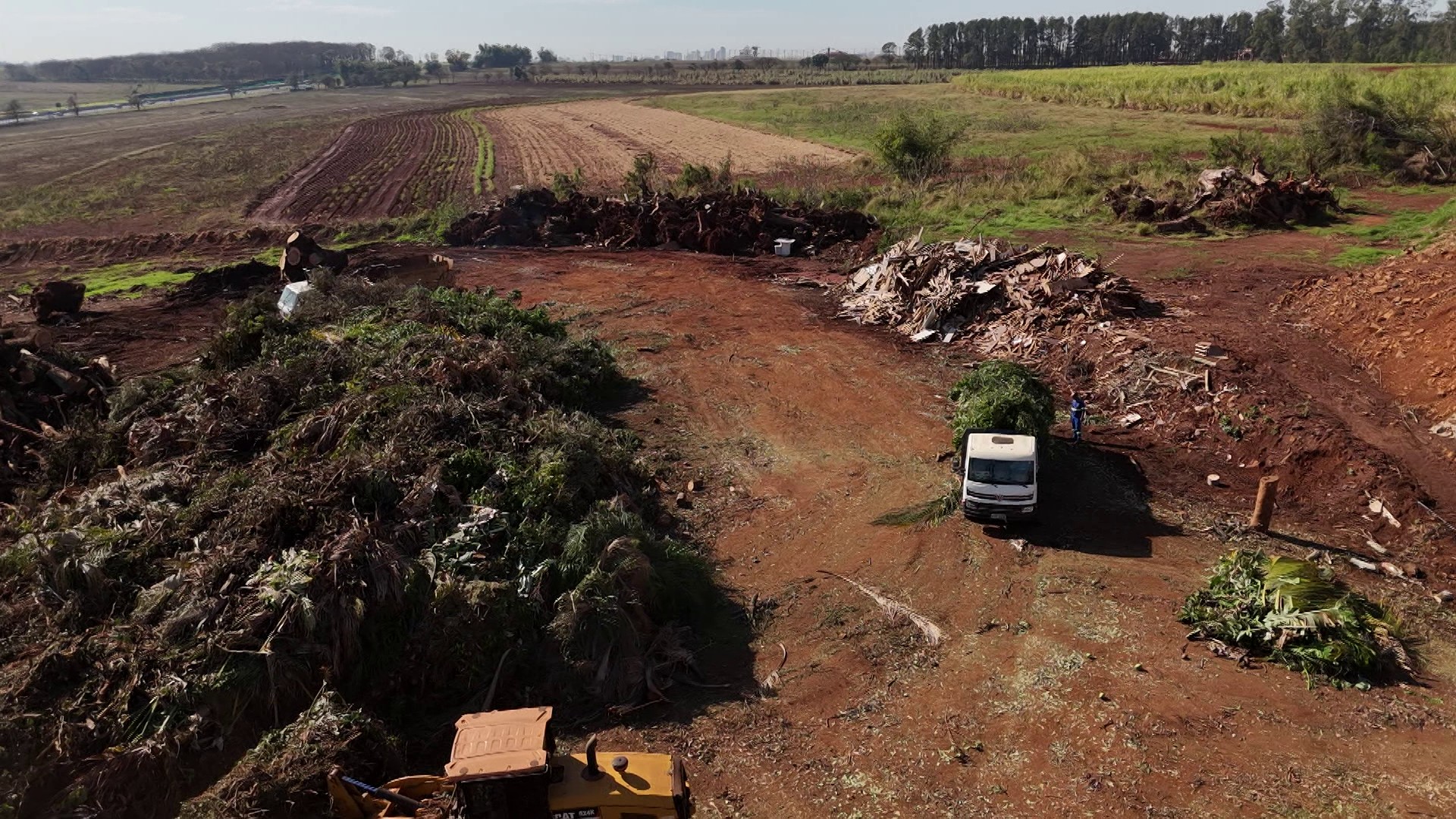
Ribeirão Preto, São Paulo, has received 592 truckloads of tree branches, trunks, and stumps at its landfill in the four days following a severe storm. This volume represents more than half of the typical monthly average of 800 truckloads. The storm, characterized by winds up to 160 km/h, caused widespread devastation across the region. According to Marília Vendrúsculo, the municipal urban cleaning manager, the collected organic material is processed and shredded by the landfill's operating company. This processed material is then sold for use as agricultural mulch or as fuel for industrial boilers. Vendrúsculo explained that the mulching technique helps retain soil nutrients and moisture, benefiting agriculture. The storm, classified by experts as a microburst, affected an estimated 79,000 hectares and resulted in the death of a 75-year-old man. Approximately 1,800 people were displaced due to the damage. The city's electrical grid suffered a 100% outage at its peak, with 54 transmission towers and hundreds of poles downed, severely impacting water supply. The Ribeirão Preto municipality has estimated costs of R$ 21.1 million for cleanup and debris removal. Several municipalities, including Ribeirão Preto, Dumont, and Taquaritinga, have declared a state of emergency to facilitate aid and resource allocation.
The severe storm in Ribeirão Preto highlights the vulnerability of urban infrastructure to extreme weather events, exacerbated by climate change. The significant volume of tree debris underscores the need for robust urban forestry management and emergency preparedness plans. The economic impact, estimated at R$ 21.1 million for cleanup alone, points to the substantial costs associated with disaster recovery. The effective repurposing of organic waste into mulch and fuel demonstrates a positive circular economy approach, mitigating disposal challenges and creating value. However, the event also reveals systemic weaknesses in power grid resilience and the cascading effects on essential services like water supply. Future urban planning should prioritize climate-resilient infrastructure and integrated disaster management systems to minimize disruption and enhance community safety.
AI-generated to prompt reflection — not editorial opinion, not advice, not a statement of fact. How this works.