Ribeirão Preto Lawyers' Association Demands Review of Bodycam Footage in Alleged Police Assault
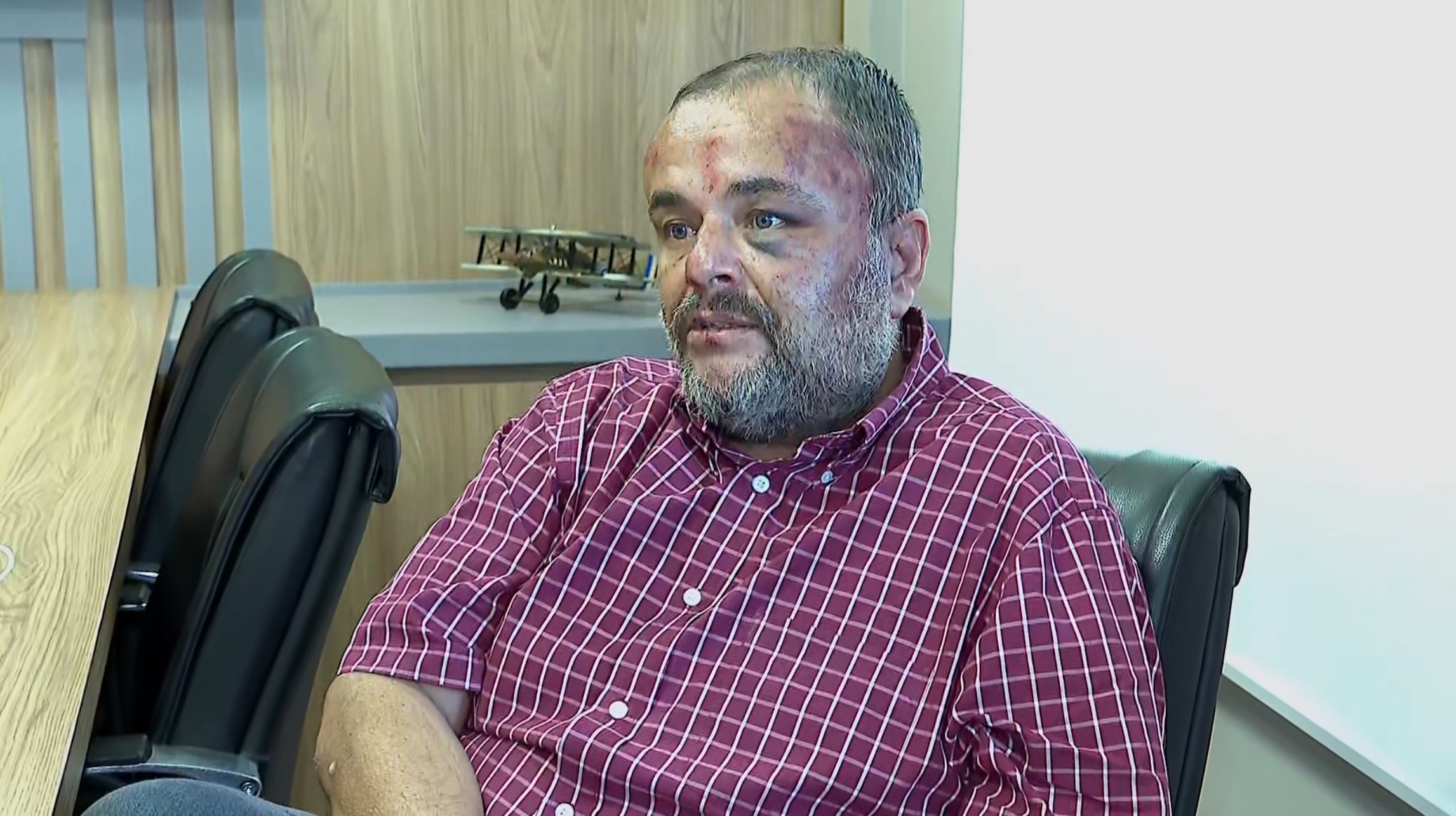
Police in Ribeirão Preto, São Paulo, Brazil, stated that officers involved in an alleged assault on lawyer Marco Antônio de Souza were wearing body cameras during the incident on Thursday, November 9th. Souza, 46, claims he was detained and assaulted by military police while observing the arrest of a client in the Ipiranga neighborhood. The confrontation reportedly began when a police lieutenant refused to accept Souza's digital OAB (Brazilian Bar Association) ID presented on his mobile phone, suspecting it was AI-generated. The Military Police deny the assault, asserting that Souza was taken to the police station for contempt of authority, was intoxicated, and interfered with the operation. Police records indicate that Souza resisted the officers and that his injuries were sustained from a fall. The case is under investigation for contempt, resistance, and bodily harm resulting from police intervention. Souza maintains he was working and denies being drunk, stating he was forced to the ground and his face landed in blood. He also claims his son, who accompanied him, was assaulted. The OAB confirmed that digital IDs are valid and that lawyers can use the organization's app for identification. Paulo Martins Cason, president of the OAB's Prerogatives Commission in Ribeirão Preto, stated that if the assault is proven, the officers could face criminal, administrative, and civil charges, potentially leading to dismissal from the force or civil damages. Souza reported attempting to obtain a forensic medical examination but was told the facility was full, prompting him to seek private medical attention and X-rays for his case.
This incident highlights the critical role of body-worn cameras in police accountability, particularly when disputes arise over alleged misconduct. The OAB's demand for the footage underscores the importance of transparent evidence in resolving such conflicts. The differing accounts—Souza's claim of unprovoked assault versus the police's assertion of contempt and resistance—present a classic scenario where objective video evidence is paramount. The AI-detection claim adds a novel layer, reflecting broader societal anxieties about artificial intelligence and its potential to disrupt established processes. Moving forward, clear protocols for accepting digital identification and de-escalation training for officers will be crucial to prevent similar confrontations and ensure due process for all parties involved, including legal professionals exercising their duties.
AI-generated to prompt reflection — not editorial opinion, not advice, not a statement of fact. How this works.