Ribeirão Preto Priest Indicted for Statutory Rape and Sexual Harassment
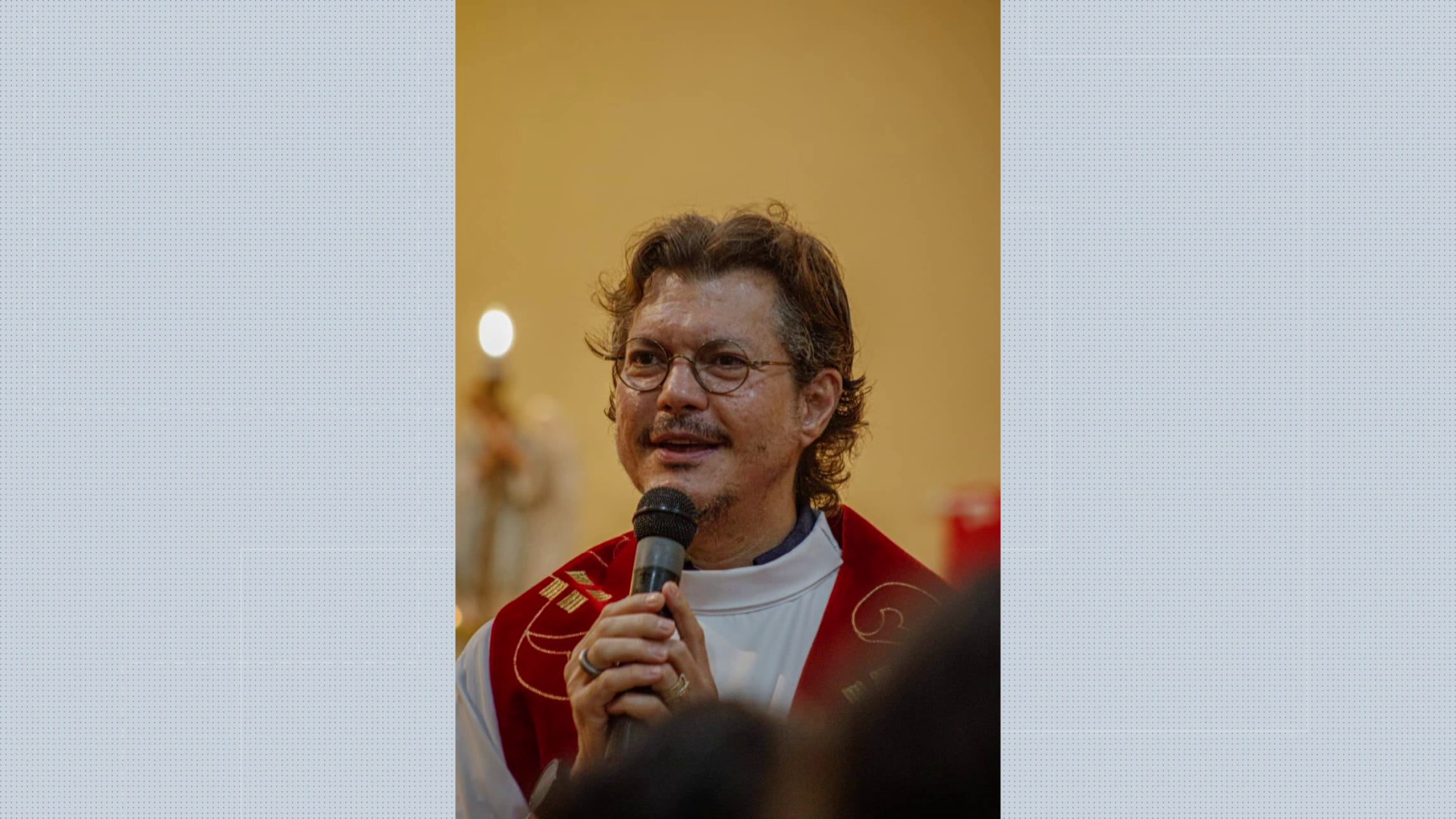
A priest in Ribeirão Preto, São Paulo, Brazil, identified as Mário Reis da Silveira, has been indicted by the Women's Defense Police (DDM) for statutory rape and sexual harassment. He has been on leave from his position as parish priest at the Senhor Bom Jesus do Bonfim Parish in Bonfim Paulista since March. The alleged victims in the investigation served as altar servers at the church. The indictment signifies that the Civil Police believe sufficient evidence exists to consider him a probable perpetrator of the alleged crimes, though it does not constitute a conviction. Father Silveira was interrogated remotely and denied the accusations. The investigation is ongoing, with new digital evidence extracted from computers and cell phones seized in Minas Gerais, where the priest is located, currently under analysis. This material will be reviewed in the coming weeks before the inquiry is finalized and sent to the Public Prosecutor's Office, which will decide whether to press charges. Sources indicate that initial forensic analysis of the priest's devices revealed intimate messages and images involving minors, corroborating victim testimonies. At least six victims have been interviewed, reporting incidents of inappropriate touching and attempted kissing, some dating back approximately 20 years and others more recent. The priest was initially removed from his duties in March by the Metropolitan Archdiocese of Ribeirão Preto after complaints were filed with both the police and the church. The Archdiocese stated it launched a preliminary investigation and suspended him from all ecclesiastical duties, pledging cooperation with authorities. The case gained public attention in June when the Civil Police confirmed the opening of an inquiry into reports from former altar servers.
This indictment brings to light serious allegations of abuse of power and trust within a religious institution. The investigation's focus on minors and the alleged use of private interactions following religious services highlight systemic vulnerabilities in safeguarding practices for vulnerable populations within religious organizations. The extended timeframe of alleged incidents, spanning two decades, suggests potential patterns of behavior that may have gone unaddressed or unreported for significant periods. Future scrutiny should consider the effectiveness of internal oversight mechanisms within religious bodies and the legal frameworks designed to protect children, particularly in contexts where authority figures hold significant influence. Examining how digital evidence complements traditional testimony can also inform evolving investigative techniques in such sensitive cases.
AI-generated to prompt reflection — not editorial opinion, not advice, not a statement of fact. How this works.